

 BBC
BBC 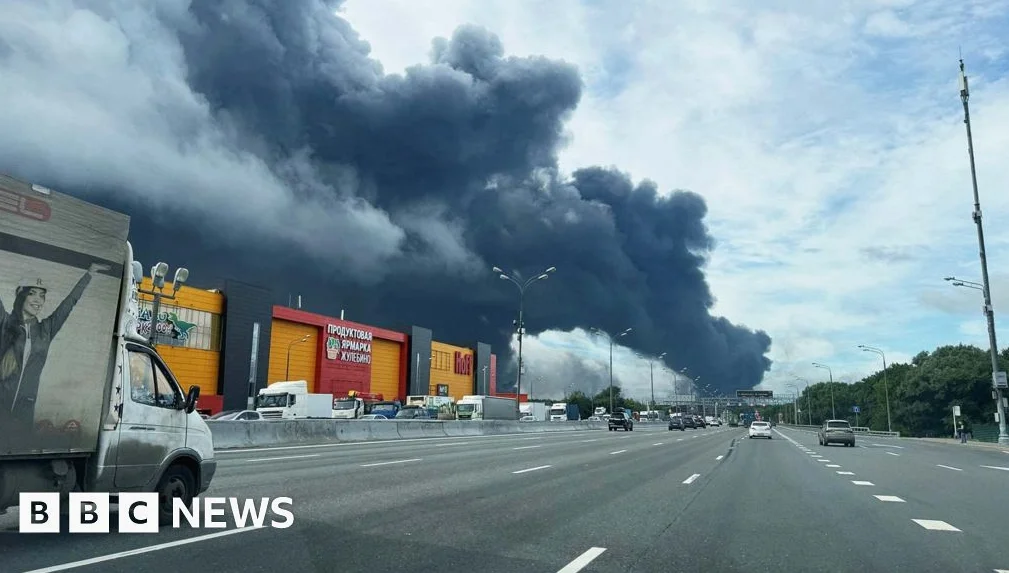
Moscow residents complained of black rain following an attack on an oil refinery, which was hit during the largest Ukrainian strike since the full-scale war began. Nearly 200 drones were launched toward the Russian capital in the attack — Local governor Andrei Vorobyov said 17 people were wounded in the Moscow region and that thick smoke filled the sky.
Residents Describe Black Spots
Residents in the south-east of the Moscow region told the BBC that a fine drizzle left “unpleasant black spots” on their clothes. Moscow authorities denied any “oil rain” had fallen but advised affected residents to keep windows closed and for families with children, the elderly, and asthmatics to leave the area urgently.
Interception of Drones and Missiles
Almost 1. 000 drones and four Ukrainian cruise missiles were intercepted and destroyed across Russia within 24 hours, according to Russia’s defence ministry — an oil depot in the southern Rostov region was also struck, resulting in one death. Ukrainian President Volodymyr Zelensky said the attack was a response to last week’s Russian strike on Kyiv, which set fire to the Pechersk Lavra monastery, a major religious site.
Zelensky added, “We don’t want this war and have never wanted it. But if Ukraine burns. Your Moscow will burn too.” In response, Russian Foreign Minister Sergei Lavrov stated that strikes on Ukraine would be delivered “on a mass scale,” adding he had been “convinced for a long time that words are not enough.”.
The Kapotnya refinery in south-east Moscow was hit for the third time in a month and the second time this week; the attack caused fires that blackened the sky with smoke. Verified videos showed a dramatic moment when the top of a large silo was blown off by a massive explosion, sending the roof of an oil storage tank flying dozens of metres into the air.
Impact on Local Areas
A nearby shopping centre also caught fire after drone debris reportedly fell on the building. In a video verified by the BBC, a drone can be seen crashing into the upper floors of a high-rise building, with glass and debris raining down its facade and into the courtyard beneath. Another verified video showed a thick. Dark, oily sheen on a car park’s tarmac, while the ground beneath parked vehicles remained clear.
“As soon as I stepped out of my apartment building, there was this fine, light drizzle,” one local woman told the BBC, while she noticed “unpleasant black spots” on her clothes and her friend’s jacket. “We’ll now be keeping an eye on whether our hair starts falling out because of petroleum products,” she added.
Moscow’s four airports were temporarily shut down, and more than 500 flights were cancelled or delayed. Despite local authorities in Russia banning the publication of images of drone strike aftermaths, dozens of videos were posted on social media showing drones flying across the sky and explosions over industrial areas on the outskirts of Moscow.
Ukraine has used a tactic of launching a large number of reconnaissance decoy drones to map out air defences and vulnerable areas before the main air strikes. Four and a half years after Moscow launched its full-scale invasion of Ukraine, the war of attrition on the front line continues, Kyiv’s long-range strikes on targets across Russia, including Moscow and St Petersburg, are part of Zelensky’s aim of “bringing the war home” to ordinary Russians.
A man living near the refinery said he was woken up when his building started “shaking” at dawn and that in the morning he smelled burning and could not breathe. “It’s all very frightening,” he said. “Before, I wasn’t so scared, but now it is almost a panic.”
Drone attacks on Moscow,about 500 km from the Ukrainian border—have increased as Kyiv has developed its long-range capabilities. Ukraine’s first successful drone strikes on Moscow occurred in spring 2023, although they were sporadic and rarely involved more than a handful of drones. Since then, extensive air defences have been set up around Moscow, but the number of drones used in attacks has multiplied, and some have penetrated those defences.
While no air defence system can ensure total protection against large-scale high-tech drone attacks, the hit rate of those that do get through is low and fraught with the risk of anti-missile debris crashing to the ground. Despite these known difficulties, Thursday’s drone barrage has raised questions about the effectiveness of Moscow’s air defences around key infrastructure.
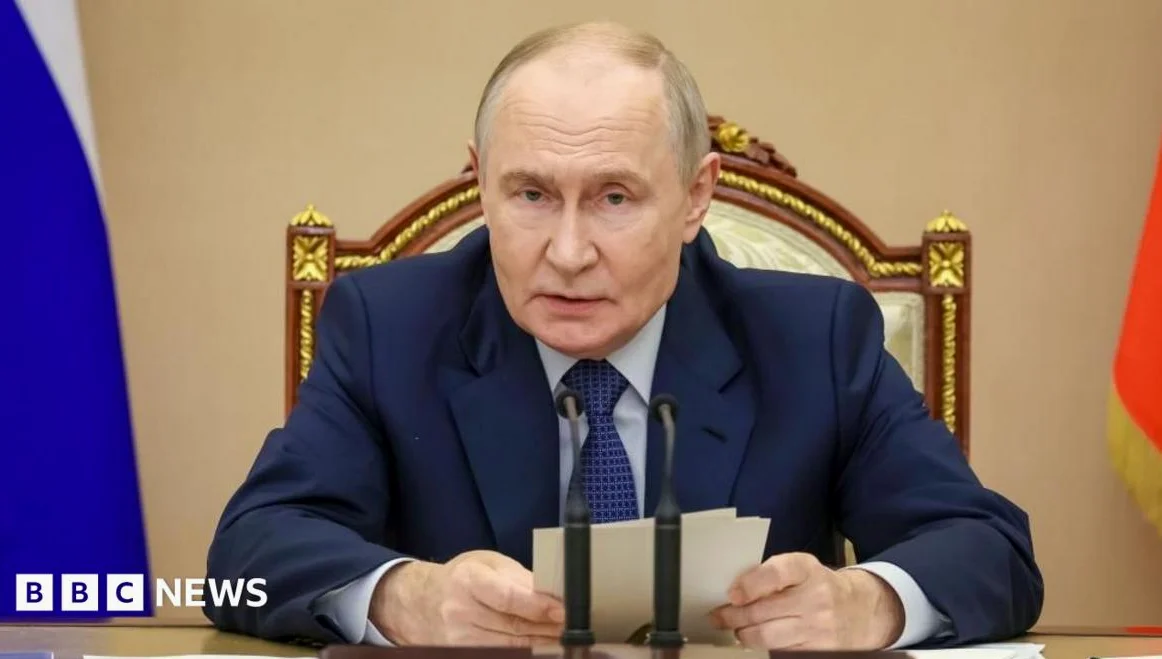
For its part, Russia launched more than 200 drones and multiple ballistic missiles at Ukraine overnight, according to Kyiv. President Vladimir Putin, who is hosting Southeast Asian leaders for a summit in Kazan, has not commented on the large-scale attack on Moscow.
Ukrainian Foreign Minister Andriy Sybiha wrote on X: “One of the most popular questions asked by Muscovites this morning is ‘What is going on?’” He continued, “I can answer. Your country started a war of aggression against ours. For years, it has been killing our people. Now that you know what’s going on, ask Putin when he is planning to end it.”





Comments
No comments yet
Be the first to share your thoughts