

 Sky News Australia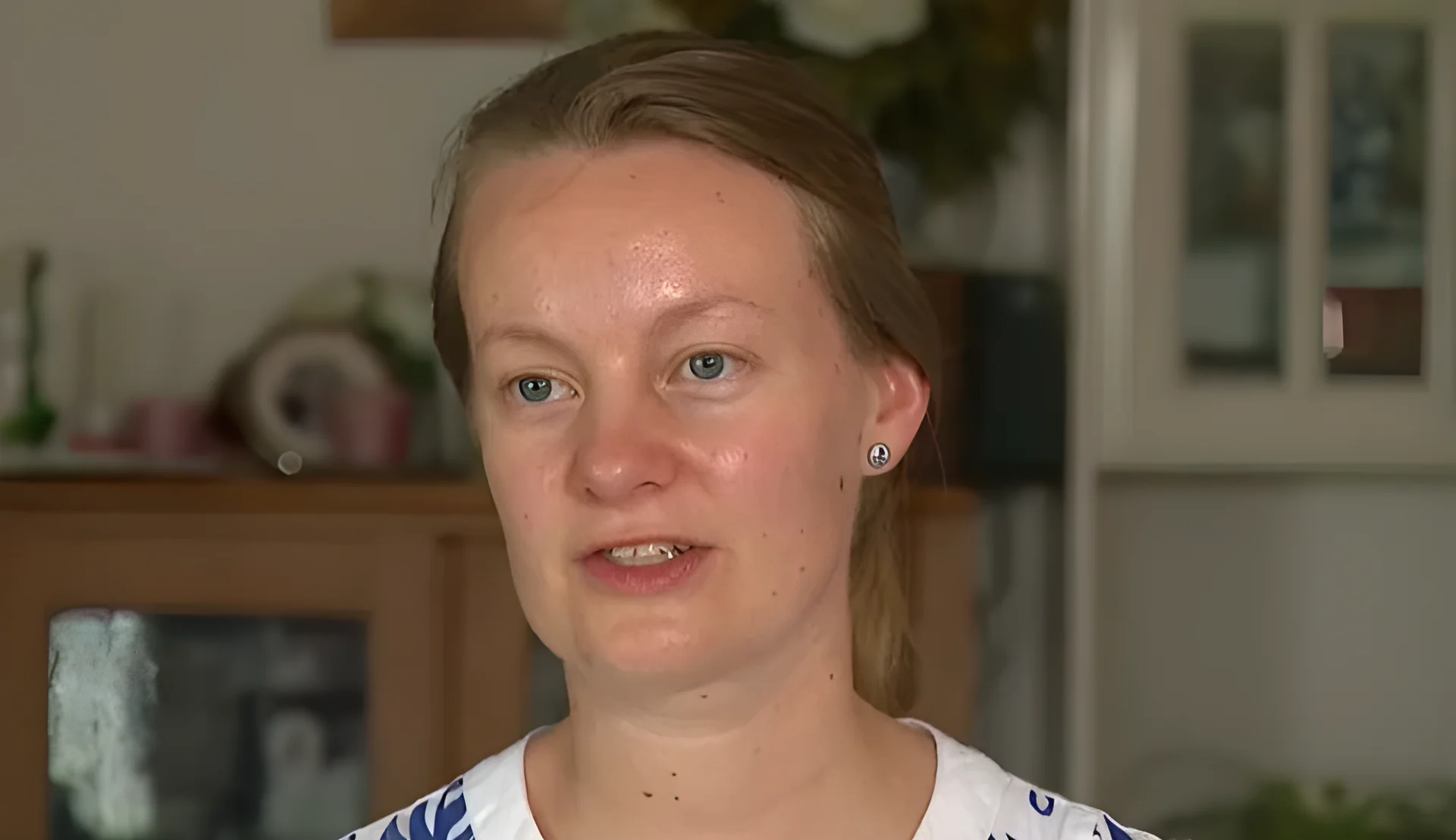
In January 2022, Yvette Bracefield made national headlines when she gave birth on the side of the road during a journey from Chinchilla, a small town 300 km west of Brisbane, to Dalby, a nearby hospital. Her experience has since become emblematic of a growing issue in regional Australia: the lack of adequate maternity services forcing women to travel long distances for childbirth.
Regional Health Crisis Forces Long Journeys
Bracefield’s story has become a rallying point for those in rural communities who are struggling with the absence of local healthcare infrastructure. She explained that her family had planned to give birth in Dalby, but due to the lack of a functioning birthing unit in Chinchilla, she ended up giving birth on the road en route to the nearest hospital.
“The plans that Labor had for our new hospital out here were completely inadequate for our population and our needs, and so they’ve been scrapped, and we’re having to start from scratch — we still don’t have an operational birthing unit out here,” she told Sky News.
The birthing ward at Chinchilla Hospital was officially placed on bypass in January 2019, leaving expectant mothers in the area without access to local maternity services. This means women are now forced to travel to hospitals in Dalby, Toowoomba, or even Brisbane, often hundreds of kilometres away.
“It is true that Chinchilla doesn’t have a maternity service. For context, this community, when it was half the size, it had a fully functioning maternity service here in town, and during a time that the town and community has grown significantly, we’ve lost that service, and that’s happened in a lot of rural communities,” said Bryson Head, the Member for Callide.
Unique but Not Uncommon Experience
Bracefield’s experience is not unique. She recalled being told by others that similar incidents had occurred in the region, including births at Dalby High School and in the hospital car park. With ten children, she has had four of her last births in Toowoomba, as local services are not available in Chinchilla.
“I have ten children. My last four were born in Toowoomba, because there’s just not the services in town. And even if you were to try and attempt to make it to Dalby, I’ve had friends who have had babies on the side of the road, so we really, really need those maternity services,” she said.
The lack of access to local maternity services has caused significant anxiety in the community. Many expectant mothers are now choosing to travel to Brisbane, staying there for two weeks and taking time off work, due to concerns about the long drive and potential complications during childbirth.
Andrew Smith, the mayor of the Western Downs Regional Council, said Yvette’s story is all too familiar. He noted that Dalby hospital handles around 250-260 births annually, highlighting the need for a local maternity service in Chinchilla.
“I hear it weekly, people are concerned that we don’t have maternity services in Chinchilla, and there is a need,” Smith said.
Challenges in Restoring Services
Despite the clear need, restoring maternity services in Chinchilla has proven to be a complex and lengthy process. Bryson Head acknowledged that to provide a safe service, a fully equipped theatre is required, along with trained staff, obstetricians, and anaesthetists.
“To keep a safe service, you want to make sure you have first of all a theatre, for any emergency caesareans and things like that, but of course with that you need a theatre trained staff, you need obstetricians, and you need anaesthetists as well,” he said.
Dr. Tom Clark, a local health professional, expressed skepticism about the possibility of restoring a full obstetric service in Chinchilla. He argued that the lack of skilled medical professionals willing to work in rural areas is a significant barrier.
“I’m not optimistic about ever having a full obstetric service re-established in this town. It would be great, but I don’t think it’s going to happen. I don’t think there are going to be people with the skills, interest in obtaining those skills, and coming out and providing obstetric care in this town,” Clark said.
The issue of inadequate healthcare access is not limited to maternity services. According to the National Rural Health Alliance (NRHA), nearly 18,500 people in Australia still have no access to essential primary healthcare services within an hour’s drive of their home. This is a significant improvement from previous data, but it highlights the ongoing challenges faced by regional communities.
Jenny Gailey, director of the Farm Angels charity, emphasized the mental health challenges faced by people in remote areas. She cited a 2023 report that revealed a farmer dies by suicide every 10 days, a statistic that has remained unchanged despite efforts to address the issue.
“The most recent data that we’ve got is from a 2023 report, and we lose a farmer every 10 days to suicide. And that stat is not moving. We’re trying really hard to make sure that the farmers have got someone to reach out to,” Gailey said.
The gap in healthcare access between rural and urban areas is stark. Rural Australians make up 30 percent of the population but contribute significantly to the economy, generating 70 percent of export income through industries such as agriculture, minerals, tourism, retail, services, and manufacturing. However, the health-spend shortfall in the 2023-24 financial year was $8.35 billion, meaning each person in rural areas misses out on $1,090.47 in healthcare funding annually compared to those in metropolitan areas.
“People have got to understand in cities, what regional Australians go through. We’re not crying poor because we love living out here, but there are opportunities to deliver healthcare differently,” said Nationals MP David Littleproud.
Despite the challenges, Yvette Bracefield still finds the benefits of living in a regional area outweigh the drawbacks. She highlighted the advantages of a close-knit community and the natural environment, even as she acknowledges the healthcare limitations.
“We’ve got 800 sq m of grass that the kids can play on. Everything is sort of just two or three minutes away. We don’t get stuck in traffic every day, so we get to spend more time with our family, more time outside here. So these are the things that I really like. But yeah, obviously healthcare for me is the big downside of living out here,” she said.






Comments
No comments yet
Be the first to share your thoughts