

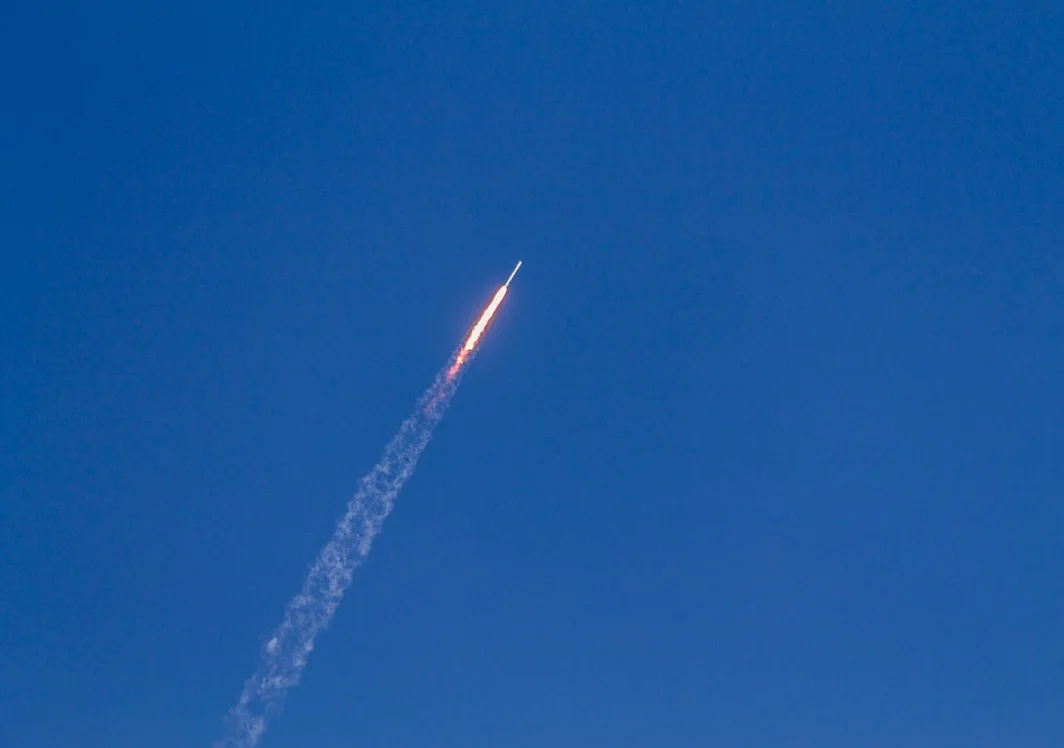
Elon Musk’s SpaceX is preparing for an initial public offering (IPO) that could value the company at $1.8 trillion, according to recent reports. While the move has generated excitement among retail and institutional investors alike, concerns are rising over the valuation and its potential risks, particularly for pension funds and conservative investors.
Retail Investors Drawn to Oversubscribed IPO
According to Reuters. SpaceX has allocated 20 percent of its IPO shares to retail investors and has received over $70 billion in orders; this has led to the offering being oversubscribed at up to four times its planned size. However, Morningstar analysts have valued SpaceX at $63 per share, a 53 percent to the projected IPO price, raising questions about the company’s valuation.
North Carolina’s state treasurer, Brad Briner, said the state would not directly invest its pension funds in the IPO due to its high price tag; Instead, the state will participate through index funds that may include SpaceX shares after the company’s listing.
Index Inclusion and Market Access
Historically, newly public companies must wait to be included in major indices like the S&P 500 or Nasdaq-100 — the S&P 500 typically requires four quarters of profitability, while the Nasdaq-100 requires three months, excluding the listing month. SpaceX has lobbied for a waiver. And in early May, Nasdaq revised its rules to allow the company to be added to the index after just 15 trading days. The S&P 500 has not changed its policies.
Musk highlighted the potential for SpaceX to achieve a $2 trillion valuation and raise as much as $75 billion, according to reports. On X, he posted a photo from Tesla’s IPO in 2010, drawing a comparison to the current SpaceX valuation. “Tesla IPO market cap was 0.1% of its current value,” he wrote.
Starlink as the Engine of Growth
Morningstar has pointed to SpaceX’s Starlink satellite internet service as the company’s main revenue and profit driver. In 2025, Starlink’s revenue rose 50 percent to $11.3 billion, with operating income increasing 58 percent to over $4.4 billion. Morningstar sees potential for further growth, with tens of billions in additional annual revenue and operating margins that could exceed 75 percent.
Despite this, some investors have questioned whether SpaceX’s valuation—estimated to be over 50 times revenue,is justified. Musk responded to one such query on X with a cryptic “You shall see.”
Meanwhile, Tesla shares dropped after an amended SpaceX S-1 filing disclosed the company might issue a significant amount of equity for future transactions. Analysts speculated this could involve stock-based acquisitions or investments, fueling uncertainty around SpaceX’s post-IPO strategy.





Comments
No comments yet
Be the first to share your thoughts