

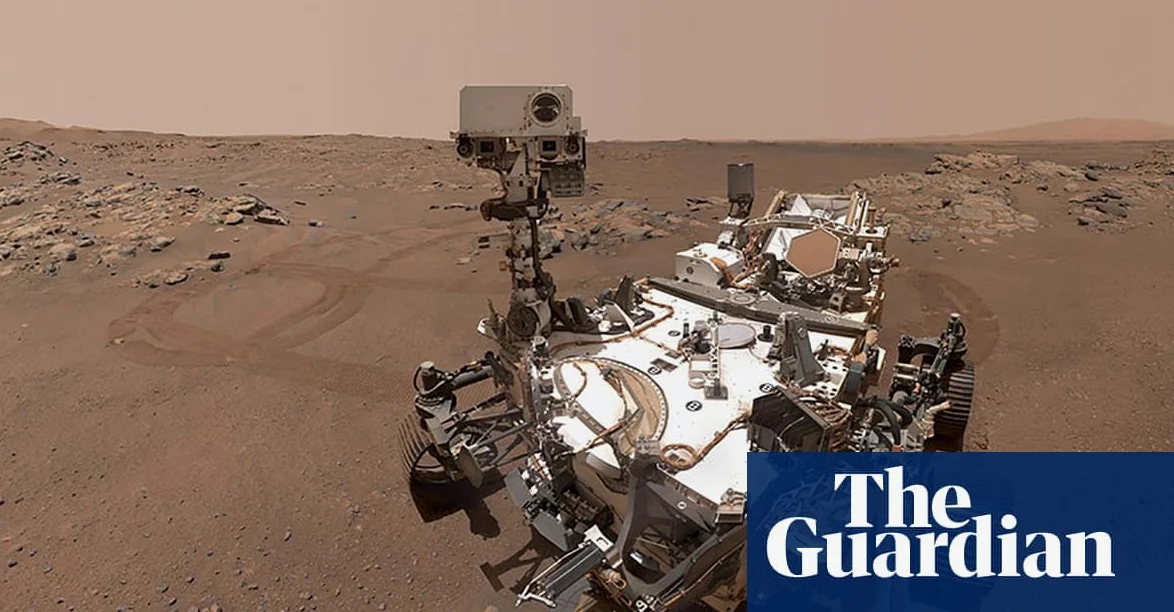
NASA’s Perseverance rover has uncovered evidence of macromolecular carbon (MMC) in Martian mudstones, a discovery that could hint at ancient microbial life on the Red Planet. According to Dr. Ashley Murphy of the Planetary Science Institute, MMC can originate from biological sources such as fossilized organic matter or from geological processes like reactions between rocks and water.
Complex Carbon and Martian Conditions
The Perseverance rover’s Sherloc ultraviolet laser detected complex carbon in the Cheyava Falls mudstone. This suggests the material may be either recently exposed to the Martian environment or highly resistant to the planet’s harsh conditions, which typically destroy organic compounds. The findings were published in a recent study and represent the most effective organic detection in Jezero crater, where Perseverance landed in 2021.
Significance and Skepticism
While the detection is significant. Scientists caution that it does not amount to proof of life; Joel Hurowitz of Stony Brook University noted that non-biological processes could explain the findings. “All we can say is one of the possible explanations is microbial life, but there could be other ways to make this set of features,” he said. Sean Duffy. Former acting head of NASA. Had previously described the 2024 discovery of unusual features in Martian rocks as “the clearest sign of life” found on Mars, but the latest results remain inconclusive.
Wider Implications and Future Missions
The discovery adds to a growing body of evidence from NASA rovers exploring different regions of Mars; the Curiosity rover has previously detected organic-bearing mudstones in Gale crater, more than 2,000 miles from where Perseverance is operating. The samples collected by Perseverance are being stored for future retrieval to Earth, but the mission faces delays as NASA explores more cost-effective options. The samples were collected from the Neretva Vallis, a river channel that once carried water into Jezero Crater, a location considered prime for past life due to its wet history.
Dr. Murphy emphasized that carbon is the primary building block of life on Earth, and the presence of macromolecular carbon in Martian rocks suggests the planet may have once had conditions suitable for life. “Since early Mars may have been more similar to Earth,” she said, “we are searching for these organic macromolecules to determine whether the necessary chemical ingredients and environmental conditions to support life have ever existed there.”






Comments
No comments yet
Be the first to share your thoughts