

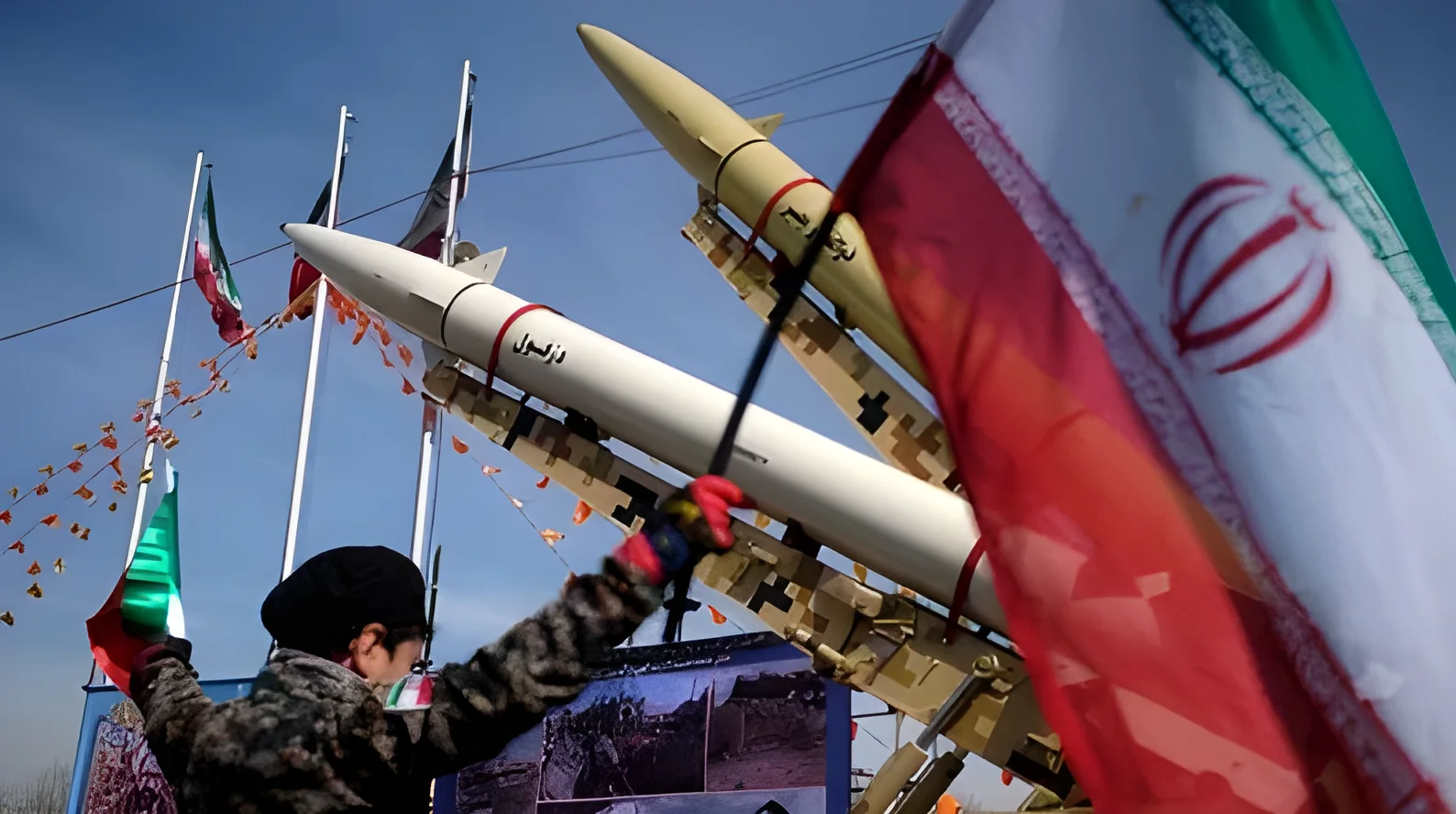
NATO air and missile defense systems in the Eastern Mediterranean intercepted a ballistic missile launched from Iran, which was detected heading toward Turkish airspace after crossing the territories of Iraq and Syria. According to Turkish authorities, the projectile was neutralized before it could pose a direct threat to Turkey. The incident highlights the growing military tensions in the region and the increasing role of NATO in monitoring and countering potential threats.
Regional Escalation and Diplomatic Responses
The missile was detected after crossing Iraqi and Syrian airspace and turning toward Turkey. NATO systems were activated in time and intercepted it, according to Turkish officials. The incident has sparked diplomatic discussions, with Turkey’s Foreign Minister Hakan Fidan contacting his Iranian counterpart, Abbas Araghchi, to express Ankara’s strong reaction to the projectile launched from Iran.
Fidan emphasized the need to avoid any actions that could lead to further escalation in the region. The communication between the two ministers took place at a particularly tense juncture, with Ankara sending a clear message that it is closely monitoring developments and will not allow threats against its national security.
Meanwhile, the Directorate of Communications confirmed that parts of an interceptor missile were found in Dörtyol, Hatay, after the missile was destroyed in the air. The statement clarified that no fatalities or injuries were reported, and the pieces found were from the interceptor missile, not the original ballistic projectile.
Search and Rescue Efforts in the Indian Ocean
In a separate development, Sri Lankan authorities reported that an Iranian warship, the IRIS Dena, issued a distress signal off the coast of Galle. The vessel was reportedly attacked by a submarine, and at least 101 people are missing. However, the Sri Lankan Navy denied the number of missing persons, stating that 32 injured were rescued and are being treated at a state hospital in Galle.
Sri Lankan officials confirmed that the distress signal was received early Wednesday morning, and the Navy immediately launched a rescue mission with support from the Air Force. Foreign Minister Vijitha Herath later informed MPs that 180 Iranian sailors were on board the IRIS Dena, with 30-35 people rescued and taken to the national hospital in Galle.
The cause of the incident remains unclear. Sources from the Sri Lankan Navy and Ministry of Defense stated that no other ship or aircraft were recorded in the area at the time of the event. The Iranian Ambassador and embassy officials have sent military attachés and consular officials to the hospital to speak with survivors and determine the exact cause of the incident.
Iranian Warship and Regional Implications
The IRIS Dena was one of Iran’s most modern warships, delivered in 2021. It featured domestically manufactured engines and armament and had participated in international naval activities, including the International Fleet Review 2026 exercises in India. The frigate had a displacement of approximately 1,300-1,500 tons and a length of about 94-95 meters, with the capability for a helicopter to land and be received at the stern.
Al Jazeera reported that the incident could lead to diplomatic tensions, particularly if the sinking of the IRIS Dena was not due to a typical accident but something more serious. Sri Lankan authorities have maintained a cautious stance and have not made statements regarding the possible causes of the incident.
Meanwhile, the U.S. has been systematically sinking Iranian warships in the Middle East, claiming to have destroyed 17 to date. On Tuesday, the U.S. pledged to continue these actions until the Iranian fleet is eliminated. The incident involving the IRIS Dena, however, took place in the Indian Ocean, far from the main conflict zone, under the responsibility of the Indo-Pacific Command.
Turkey has reiterated its commitment to ensuring national security and has emphasized its willingness to take necessary measures to defend its territory and airspace. The country is also maintaining coordination with NATO and its allies to address the growing regional tensions. As the situation evolves, the international community will be closely watching for any further developments that could lead to an escalation in the region.





Comments
No comments yet
Be the first to share your thoughts