

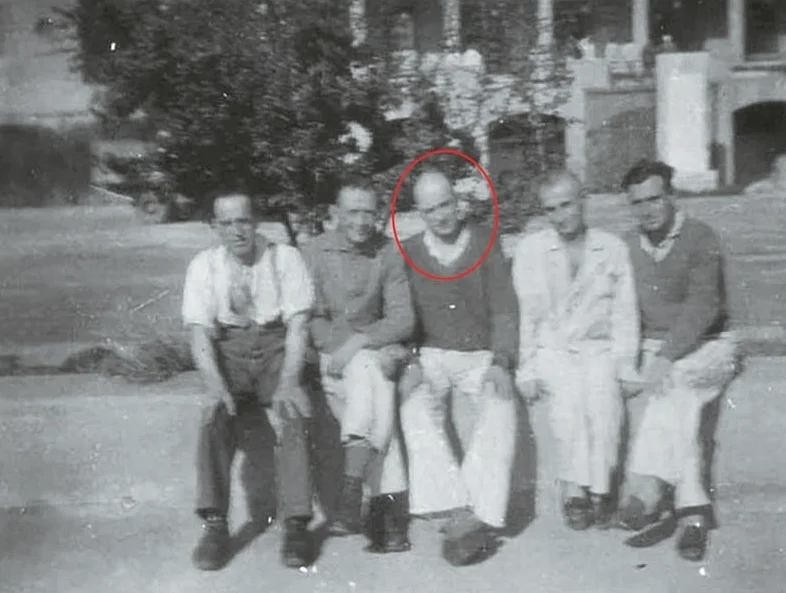
A Nazi sergeant’s photographs of the execution of 200 Greek communists and patriots at Kaisariani in 1944 have resurfaced after 82 years, sparking a national movement and high-level diplomatic negotiations. The album, containing images of the executions and other wartime events in Greece, was recently authenticated by Greek cultural experts in Evergem, Belgium.
The Return of a Wartime Archive
The album, which includes the first known visual records of the Kaisariani executions on May 1, 1944, was identified as the work of Sergeant Hermann Hoyer, a German soldier who served in the 1012th Battalion. The album, which documents the period between 1943 and 1944, was acquired by Belgian collector Tim de Craene and will be returned to Greece at a cost of €100,000 ($117,850).
Greek Culture Minister Lina Mendoni personally negotiated the return of the album, which had been held in Belgium for many years. De Craene expressed relief and happiness at the album’s return, noting the importance of the collection to Greek historical memory.
Documenting the Nazi Occupation
Sergeant Hoyer, originally from Birkenfeld, Germany, documented his time in Greece with his Leica camera. His photographs capture a range of events, including the arrival of Wehrmacht Major General Franz Krech via seaplane, the ambush that killed Krech, and the subsequent Nazi funeral in Athens, where coffins were draped in the swastika.
Hoyer’s photographs also include images of the Corinth Canal, Patras, and the Haidari concentration camp. He was a veteran of the 1939 invasion of Poland and had served on the Siegfried Line and across Western Europe. He was re-mobilized in 1943, serving in Yugoslavia before arriving in Greece.
Hoyer left Greece in September 1944, just a month before German forces destroyed the Corinth Canal during their retreat. The question of what happened to the photographs of the aftermath of the executions remains unresolved, as it is likely that Hoyer photographed the bodies of the executed patriots, a common practice among German soldiers.
Historical Significance for Greek Families
For the descendants of the victims, the photographs offer a rare visual record of their grandfathers and great-grandfathers standing defiant before the firing squad. Until now, these moments existed only in oral descriptions, but now, they have a face.
According to Alexios G. Katefidis, a researcher who helped identify Hoyer, the Germans documented everything at a strategic and operational level. It is possible that Hoyer himself destroyed the most graphic images to avoid future prosecution, or that a middleman removed them before the album reached de Craene.
The value of the remaining photographs is immeasurable. They provide a tangible link to a painful chapter of Greek history and serve as a powerful reminder of the atrocities committed during the Nazi occupation.
While this specific collection is unique, the trade of such artifacts is vast. On platforms like eBay and specialized German military collectibles sites, thousands of photographs of occupied Greece are sold daily, with prices ranging from €3 ($3.54) to over €30 ($35).
For some German soldiers, these photos were clinical documentations of their ‘adventures’ abroad. For others, they were a darker, more perverse form of trophy-hunting. Regardless of the original intent, for Greece, these images are more than just paper—they are the returned fragments of a national tragedy.



Comments
No comments yet
Be the first to share your thoughts