

 BBC
BBC 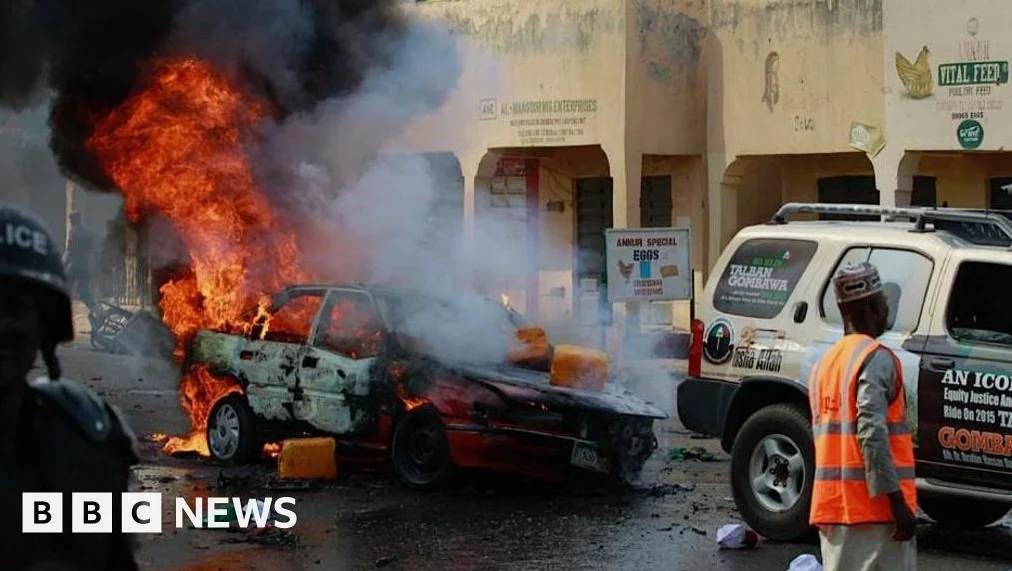
Nearly 400 people have been sentenced in Nigeria for links with militant Islamic groups following mass trials, according to the BBC. The convicts were given sentences ranging from five years to life imprisonment after being linked to Boko Haram or a rival splinter group, the Islamic State West Africa Province (Iswap).
Mass Trials in Abuja
More than 500 suspects were put on trial in the federal high court in the capital, Abuja, on charges of either taking part in attacks or supporting the militants through funding, supplying arms, or giving logistical support. On Friday. Judges convicted 386 of them. While two were acquitted. Eight were discharged, and the cases of 112 suspects were adjourned, officials said.
Five of the accused had pleaded guilty at the start of the trials to charges that included selling livestock, supplying food and information to the militant groups. The trials came at a time when the government is under intense pressure to curb rising insecurity in Africa’s most-populous state.
Rising Insecurity and Government Pressure
Security forces are battling multiple armed groups, from militant Islamists to separatists, and kidnapping-for-ransom gangs; Boko Haram launched an insurgency in the north-east in 2009, killing tens of thousands of people and displacing more than two million, aid groups say.
The US urged its citizens to reconsider travelling to the country because of the deteriorating security situation. This comes after the US carried out airstrikes in northern Sokoto state on Christmas Day to target a militant Islamist group known as Lakurawa after President Donald Trump alleged that Christians were being persecuted in Nigeria.
The government denied Trump’s claim, saying that people of all faiths and no faith were victims of violence, while the actions taken by the US and the allegations made by Trump have added to the complexity of Nigeria’s security challenges.
International Reactions and Local Response
Officials in Nigeria have been working to address the growing threat posed by militant groups, which have been responsible for numerous attacks across the country — the mass trials in Abuja are seen as a significant step in the government’s efforts to bring those responsible to justice.
The sentences handed down to the 386 convicted individuals are a reflection of the severity of the crimes they were found guilty of, which include direct involvement in attacks or providing support to the militants. The government has emphasized the need for continued efforts to ensure national security and stability.
The trials have also drawn attention to the broader issue of insecurity in Nigeria, which has been a growing concern for both the government and the international community. The country remains one of the most populous in Africa, and the threat posed by militant groups continues to challenge the government’s ability to maintain order.
The US’s decision to conduct airstrikes in northern Sokoto state highlights the international dimension of the conflict and the potential for foreign involvement in the region. The government has been working to address these concerns and has called for international support in its efforts to combat terrorism.
The mass sentencing of nearly 400 individuals is a significant development in Nigeria’s ongoing fight against militant Islamists, while the government has reiterated its commitment to addressing the root causes of insecurity and ensuring the safety of its citizens.





Comments
No comments yet
Be the first to share your thoughts