

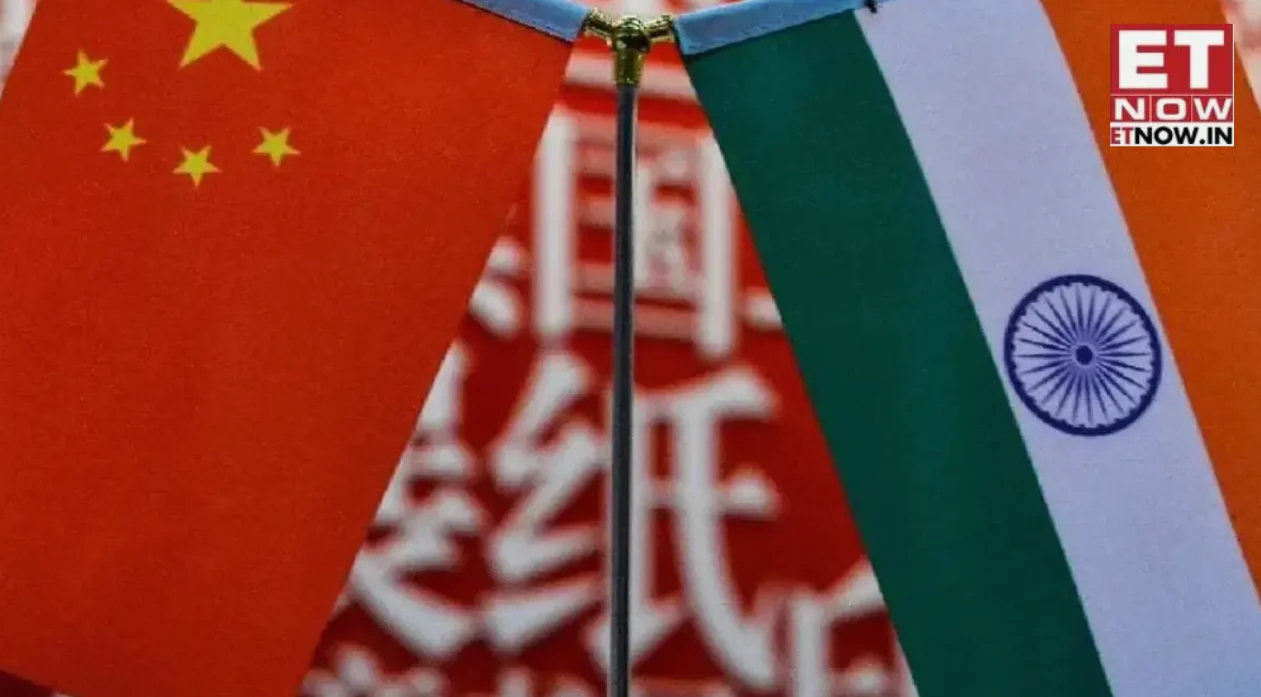
India’s decision to reopen the Lipulekh Pass for trade with China has reignited a long-standing territorial dispute with Nepal. The border gateway, which was closed in 2016, is now set to reopen from June 2026, raising concerns in Kathmandu over sovereignty issues in the Kalapani-Lipulekh-Limpiyadhura region. Nepal has firmly opposed the move, arguing that the pass lies within its territory and that India’s actions could undermine its territorial integrity.
Historical Context of the Lipulekh Pass Dispute
The Lipulekh Pass dispute dates back to the 19th century, when the British colonial administration drew the Nepal-India border, leaving the region in question. The area, known as Kalapani-Lipulekh-Limpiyadhura, is a strategic mountain pass located in the western Himalayas, connecting India’s Uttarakhand state with Tibet. Nepal has long claimed the area, asserting that it was wrongly included in India’s territory during the 1960s.
The dispute was temporarily resolved in 2015 with the signing of the India-Nepal Bilateral Trade Agreement, which recognized Nepal’s claim to the region. However, in 2016, India closed the Lipulekh Pass, citing security concerns. The move was seen as a de facto recognition of Nepal’s claim, but the pass remained closed until recent announcements of its reopening in 2026.
According to Nepal’s Ministry of Foreign Affairs, the closure of the pass in 2016 was a significant concession. ‘The decision to close the pass was a step toward resolving the territorial dispute,’ an official said. ‘However, the recent announcement to reopen it raises serious concerns about the stability of the border and the sovereignty of Nepal.’
Impact on Regional Trade and Diplomacy
The reopening of the Lipulekh Pass is expected to have significant implications for regional trade and diplomacy. India and China have been seeking to strengthen their economic ties, and the revival of trade through the pass is seen as a strategic move. However, Nepal’s opposition could complicate India’s relationship with its southern neighbor.
Analysts suggest that the move could also affect Nepal’s trade dynamics. The pass, once a key trade route, connects India’s northern states with Tibet and could potentially offer Nepal an alternative trade corridor. However, Nepal has been reluctant to accept the pass as part of its territory, fearing that it could be used to route Chinese goods through Indian territory, bypassing Nepal.
‘The reopening of the pass could disrupt Nepal’s trade interests and potentially increase China’s influence in the region,’ said Dr. Rajesh Chaudhary, a political analyst based in Kathmandu. ‘Nepal is concerned that this move could undermine its sovereignty and shift the balance of power in the region.’
India has not yet provided a detailed response to Nepal’s concerns, but officials have emphasized that the move is aimed at stabilizing relations with China. ‘The revival of trade with China is a necessary step for India’s economic growth,’ an Indian foreign affairs official said. ‘However, we are committed to maintaining good relations with all our neighbors, including Nepal.’
What’s Next for the Dispute?
As the deadline for the reopening of the Lipulekh Pass approaches, the situation remains tense. Nepal has reiterated its opposition, while India continues to push for the move. The dispute is likely to remain a point of contention in bilateral talks between the two nations.
Experts suggest that the issue could be resolved through diplomatic channels. ‘A dialogue between India and Nepal is essential to address the concerns of both sides,’ said Dr. Chaudhary. ‘Both countries need to find a compromise that respects Nepal’s sovereignty and India’s strategic interests.’
Nepal’s government has called for an immediate review of the decision and has warned that it may take legal action if the pass is reopened without addressing its concerns. The dispute has also drawn attention from the international community, with several countries expressing interest in the situation.
As the 2026 deadline approaches, the situation remains uncertain. The revival of trade through the Lipulekh Pass could have far-reaching consequences for regional stability and trade dynamics. The dispute highlights the complex interplay of territorial claims, economic interests, and diplomatic relations in South Asia.





Comments
No comments yet
Be the first to share your thoughts