

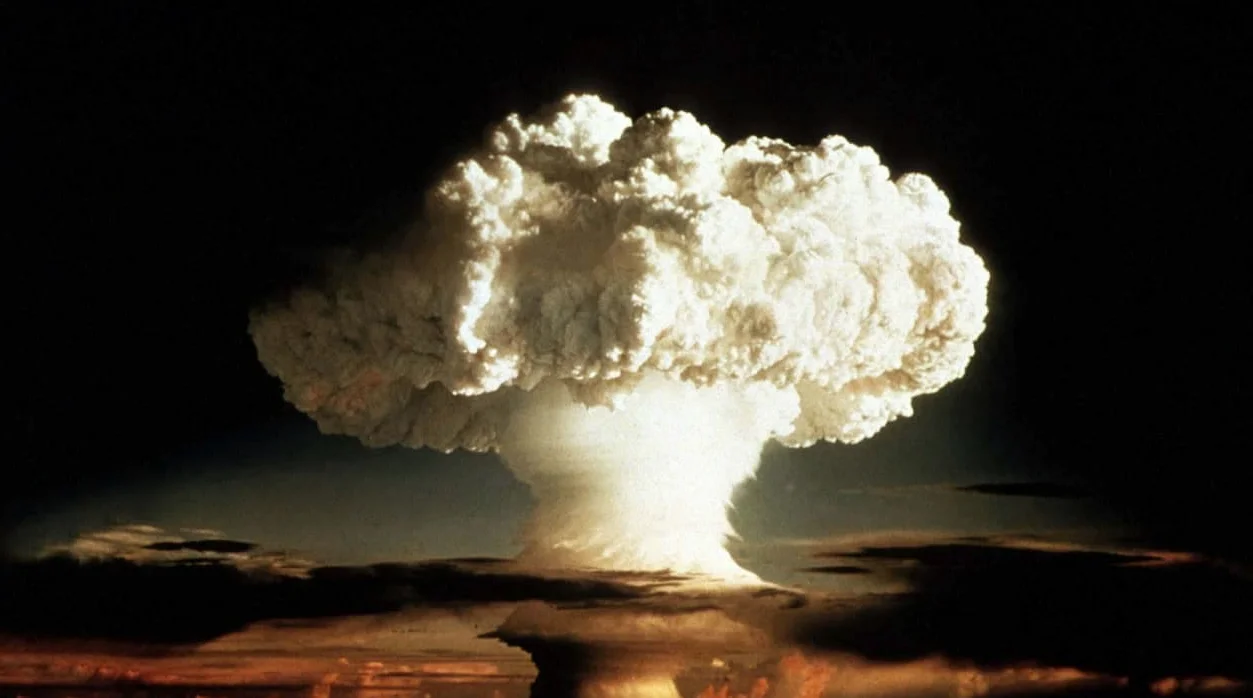
Russia and the United States command 87 percent of the world’s nuclear weapons. Their treaty’s end removes caps on deployed warheads and delivery systems. China rushes to build more. Markets already react, boosting shares in defense firms.
The treaty traces to 2010. Presidents Barack Obama and Dmitry Medvedev signed it then. It built on earlier pacts from Richard Nixon’s 1972 era. Leaders sought stability amid Cold War fears. No such limits remain now.
Russia’s arsenal edges out America’s. Precise counts vary. U.S. officials peg Russia at 4,309 total warheads. America maintains about 3,700. Beijing shifts the balance. It holds roughly 600 warheads today. Projections show over 1,000 by 2030. That turns a two-power contest into a tense triangle.
Washington eyes talks with Tehran soon. Those discussions cover Iran’s nuclear activities. Superpower moves create openings. Threshold states like Iran gain room to maneuver. Israel watches closely. Tehran tops its threat list.
Nuclear power packs unique punch. Fission unleashes vast energy from tiny mass. One kilogram of fissile material matches 15 million kilograms of TNT—the Hiroshima bomb’s force. Solar panels sprawl across fields. Output dips with clouds. Nuclear delivers instant, reliable might. That’s why the U.S. commits nearly $1 trillion by 2034 to upgrade forces. Deterrence drives the spending, not power plants.
Europe rearms. China accelerates. Russia threatens openly. Tensions span Ukraine, the Middle East, Indo-Pacific. No single flashpoint defines it. Global rearmament surges instead.
Defense stocks climb. Northrop Grumman readies new intercontinental missiles and B-21 bombers. General Dynamics builds Columbia-class submarines for Pacific patrols. Lockheed Martin and RTX supply missiles, radars, engines. Israel’s Elbit Systems sees orders swell for electronic warfare gear. The Tel Aviv Defense Index tracks such firms. Backlogs grow via U.S. ties on Arrow 3 and David’s Sling.
Israel’s sector thrives after real-world tests. Missile defenses, intel tools, jammers draw buyers. Two years of combat prove their worth. Superpower races amplify demand.
U.S. strategy pivots. It eyes China and Russia together. Iran fits that frame for Washington. Jerusalem focuses narrower. Still, global shifts reshape its calculus.
Investors adjust. Budgets balloon for strategic arms. Land missiles. Subs. Bombers. The nuclear triad revives at center stage. Hedge fund leaders call it a new era. Risk reprices fast.

Comments
No comments yet
Be the first to share your thoughts