

The Kansas City Chiefs are under pressure to bring their roster into compliance with the NFL’s 2026 salary cap, which has been officially set at $305.7 million. As the March 11 deadline approaches, the team must make critical moves to avoid penalties and maintain competitiveness in the AFC West.
Chiefs Projected to Be $8.6 Million Over Cap
The Chiefs began the 2026 offseason with a projected $8.6 million deficit, a significant shift from earlier estimates that had them nearly $60 million over the cap. This tightening of the financial situation has forced the front office to consider a range of moves to bring their payroll into line with league rules.
According to internal projections, the team must act swiftly to reduce its spending. One potential move involves the release of right tackle Jawaan Taylor, whose contract could free up $19.1 million in cap space. This move would be a significant step toward compliance but may also impact the team’s offensive line depth.
Contract Restructuring as a Key Strategy
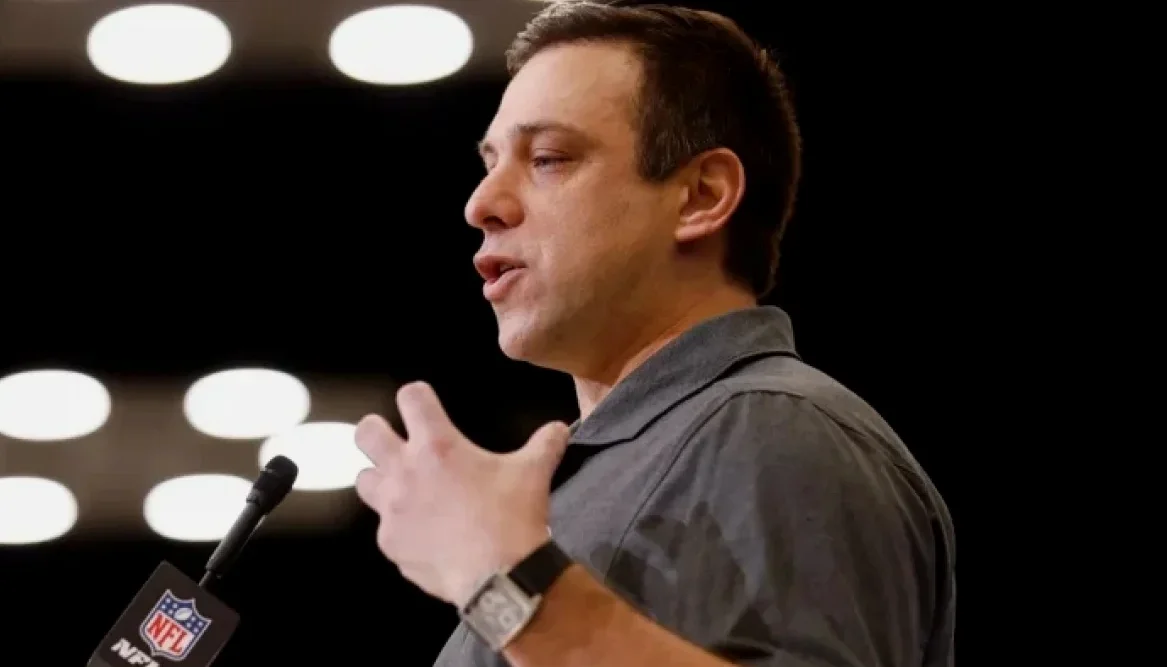
General Manager Brett Veach has acknowledged the need to restructure existing contracts to create cap flexibility. At the NFL Scouting Combine in Indianapolis, Veach hinted that the team could rework the contract of defensive tackle Chris Jones, who is under a multi-year deal with a large base salary and roster bonus.
Restructuring Jones’ contract could unlock up to $22.5 million in additional cap space, which would be a game-changer for the Chiefs. Such a move would allow the team to retain key players while also creating room to pursue free agents or draft picks in the coming months.
The potential restructure of Jones’ contract has drawn attention from analysts and fans alike. One sports analyst noted that such a move would reflect the Chiefs’ willingness to adapt their financial strategy to remain competitive in a high-stakes league.
Franchise and Transition Tags Affected by Cap
The salary cap also influences the use of franchise and transition tags for pending free agents. However, the Chiefs are unlikely to use these tools this year, as the team has historically been cautious about extending financial commitments to players entering free agency.
This approach suggests that the Chiefs are prioritizing financial stability over trying to retain players through tag extensions. It also indicates that the team may be more focused on using the draft and free agency to rebuild depth rather than relying on tag players.
Draft Decisions Shape Cap Strategy
The Chiefs are also handling the financial implications of the 2023 NFL Draft. The fifth-year option for defensive end Felix Anudike-Uzomah has been finalized at $14.5 million. The team is expected to decline the option, as Anudike-Uzomah missed the entire 2025 season due to a hamstring injury.
Declining the option not only saves the team money but also gives them more flexibility in the future. With Anudike-Uzomah becoming a free agent, the Chiefs can either sign him at a lower price or move on and invest in other areas of the defense.
The decision to decline the option highlights the financial challenges faced by teams in the current salary cap environment. As teams like the Chiefs balance their rosters, the cap has become a central factor in every decision, from contract negotiations to draft picks.
The NFL has set a clear precedent in recent years, with salary caps fluctuating based on league revenue and collective bargaining agreements. The 2026 cap of $305.7 million represents a slight increase from the 2025 cap of $301.5 million, reflecting continued growth in the league’s financial health.
However, for teams like the Chiefs, the cap is a double-edged sword. While it provides a clear financial framework, it also limits the ability to sign top-tier free agents or retain key players without restructuring or releasing talent.
With the March 11 deadline approaching, the Chiefs have a narrow window to make decisions that will shape their future. Whether through contract restructures, releases, or strategic draft choices, the team must find a way to stay under the cap while remaining competitive in the AFC West.
As the 2026 season approaches, the NFL’s salary cap will continue to be a central factor in team-building strategies across the league. The Chiefs’ ability to handle this challenge will be critical to their long-term success.






Comments
No comments yet
Be the first to share your thoughts