

 BBC
BBC 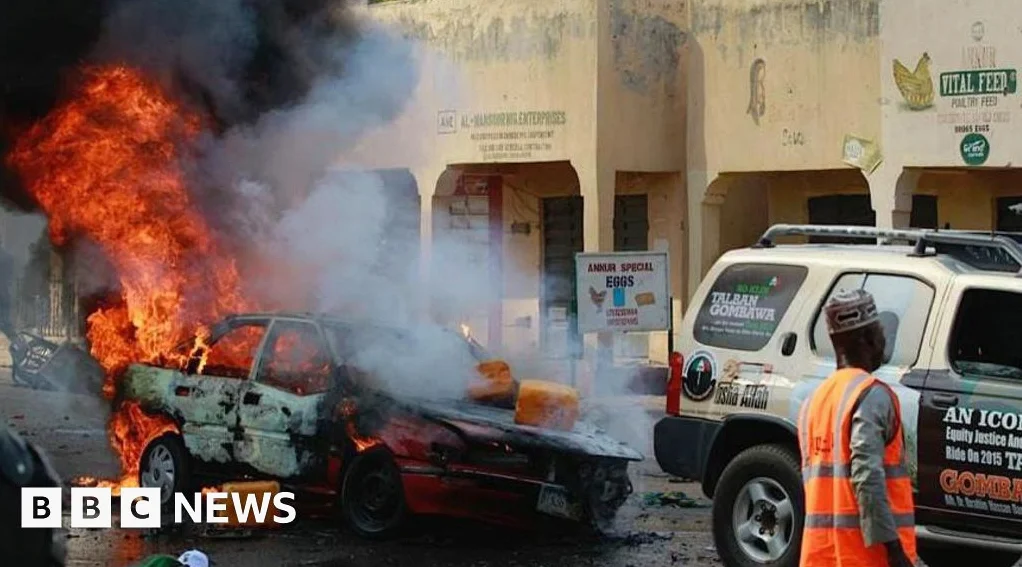
Nigeria has begun the prosecution of more than 500 people accused of involvement in militant attacks in one of the country’s largest ever terrorism trials. The suspects face charges linked to aiding and abetting terrorism, particularly in the north-east where an insurgency by the Boko Haram Islamist group began 17 years ago.
Insurgency and Insecurity Spread Across Nigeria
Since the Boko Haram insurgency began in the north-east, insecurity has spread to many other areas of the West African nation, leaving communities, often those in rural areas, at the mercy of mushrooming militant groups and gangs that kidnap for ransom. The mass trial opened on Tuesday at a high court in the capital, Abuja, where 227 suspects were arraigned before 10 judges, according to the attorney general.
Hundreds of people have lost their lives in bombings and various attacks across Nigeria this year alone. Very few people are ever prosecuted over terror attacks, and suspects are often detained and spend years in custody without facing trial. According to the AFP news agency, gunmen killed at least 20 people on Wednesday in the western state of Niger. Residents say the attackers raided villages in Shiroro district, an area where kidnapping gangs and Islamist militants are known to operate.
Security Measures and International Observers
Security was tight during the court session on Tuesday, with suspects transported in heavily guarded convoys under military, police and intelligence supervision. International observers, including human rights groups and the Nigerian Bar Association, were also present in court. The defendants are alleged to have taken part in attacks mainly in northern Nigeria, while others face charges of supporting militants through funding, supplying arms and logistics.
Five of the accused have already been given varying jail terms – from seven to 20 years – after pleading guilty to charges that included selling livestock, supplying food and information to militant groups. Attorney General Lateef Fagbemi said the scale of the operation showed the government’s resolve to deal with the matter. ‘The federal government is committed to ensuring that due process is followed while bringing those involved in terrorism to justice,’ he said.
Expert Analysis on the Trial’s Significance
Security expert Bashir Galma, a retired army major, told the BBC that the trial, which is expected to continue in phases, was a ‘positive development’ and a ‘significant milestone’ in Nigeria’s fight against terrorism. ‘For years Nigerians have been complaining about why they keep these suspects [in custody] instead of making them face the law for what they are suspected of doing,’ he said. ‘This will bring some level of peace for people whose loved ones were killed or injured.’
The trial would also dispel rumours that suspects were routinely released after arrest ‘so that they can go back to their terrorism business,’ the analyst added. However, he predicted that some of the accused could be released soon, given that they were arrested many years ago – a factor he said the judges would likely take into consideration. The mass trial of 500 terrorism suspects in Nigeria is a major step in the country’s ongoing efforts to combat terrorism and bring perpetrators to justice.






Comments
No comments yet
Be the first to share your thoughts