

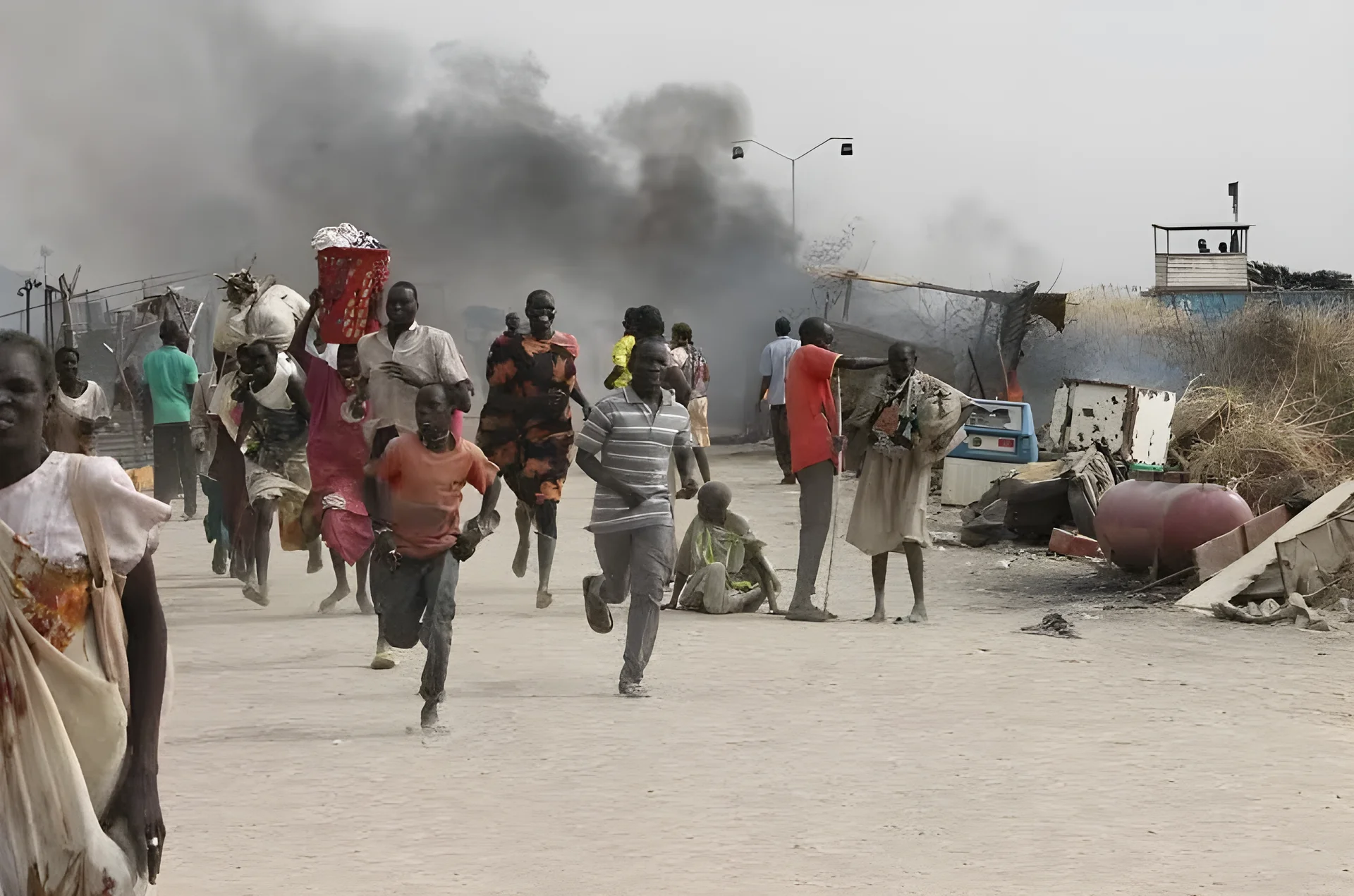
Violence has plagued Nigeria’s North Central region for years, with states such as Plateau and Kaduna frequently hit by attacks involving banditry, communal clashes, and kidnappings. Thousands of people have been forced to flee their homes, and many families have lost loved ones. Communities that once lived in peace now live in fear, with no clear end to the cycle of violence.
Root Causes Beyond Ethnic and Religious Divisions
While government officials and community leaders often point to ethnic or religious differences as the cause of the violence, the situation is far more complex. Poverty, lack of employment opportunities, and competition over land and grazing rights are significant underlying factors. In many areas, there are no strong systems in place to resolve disputes peacefully, leading to small disagreements that quickly escalate into deadly conflicts.
According to a 2023 report by the International Crisis Group, over 60% of conflict-related deaths in the region are linked to economic grievances and resource competition. In Plateau State alone, more than 500,000 people have been displaced since 2018 due to recurring violence.
Arms and External Influences Fuel the Conflict
Weapons used in the conflicts often originate from outside Nigeria, including in Western countries. The global arms trade has made it easier for criminal groups to obtain firearms, exacerbating the violence. A 2022 study by the Small Arms Survey found that 70% of weapons used in the North Central region are imported, often through informal channels.
International interests and foreign security partnerships also play a role in shaping how Nigeria handles its security challenges. While external support can be beneficial, long-term peace must come from within. Local communities, not foreign actors, must be at the center of the solution.
Media and Political Rhetoric Deepen Divisions
Global media coverage often oversimplifies the crisis, portraying it as a religious war. This narrative, while partially accurate, ignores the broader economic and social factors driving the violence. Such portrayals can deepen divisions at home and make compromise more difficult.
Political rhetoric also plays a critical role. When leaders use language that favors one group over another, it erodes trust. If security responses are perceived as unfair or selective, people lose confidence in the government. This can lead to further violence and retaliation, as communities feel they have no choice but to defend themselves.
According to a statement by the Plateau State Governor, ‘When leaders fail to address the root causes of conflict and instead stoke division, the cycle of violence only continues.’ This sentiment is echoed by many local leaders who argue that the focus must shift from blame to solutions.
Pathways to Peace: Dialogue, Development, and Security Reform
To move forward, the focus must shift from blame to practical solutions. Government officials, traditional rulers, religious leaders, youth groups, and civil society must engage in honest dialogue. These meetings should aim to address real issues, such as land disputes and community security, rather than making public statements that do little to resolve the underlying tensions.
Economic development is also key. When young people have access to jobs, skills training, and support for farming or small businesses, they are less likely to join violent groups. Investment in roads, schools, and healthcare can reduce frustration and build hope for the future.
Security agencies must be strong but fair. They should protect all communities equally and be held accountable for their actions. When people trust security forces, they are more willing to share information and support peace efforts.
Education and cultural exchange programs can help rebuild trust between different groups. Initiatives that promote interfaith dialogue and community cooperation can reduce suspicion and support understanding. When people interact regularly and work together, it becomes harder for division to grow.
The crisis in North Central Nigeria is serious, but it is not impossible to solve. It requires honest leadership, fair policies, economic opportunity, and unity. The people of Plateau, Kaduna, and other affected states deserve peace. Moving away from blame and focusing on practical solutions is the first step toward lasting stability.






Comments
No comments yet
Be the first to share your thoughts