

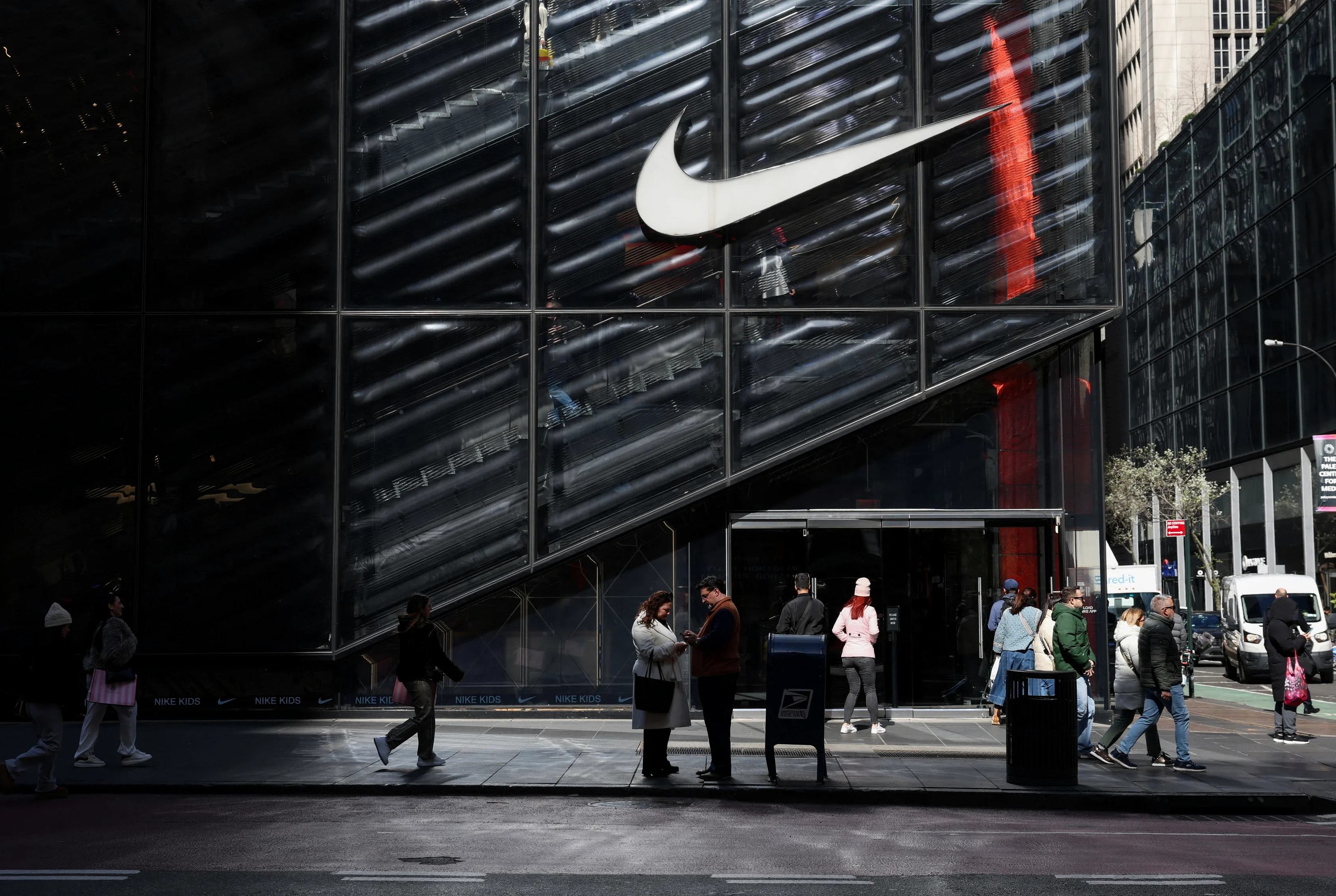
Nike is cutting approximately 1,400 jobs globally, primarily in technology roles, as part of ongoing efforts to cut operations and invest in automation — the layoffs, announced by COO Venkatesh Alagirisamy, represent less than 2% of the company’s global workforce and affect employees across North America, Asia, and Europe. Affected employees will be notified beginning Thursday, according to a company statement.
Restructuring and Automation Efforts
The decision to reduce roles is part of a broader strategy to position Nike for long-term, profitable growth. Alagirisamy emphasized that the cuts are “the next phase of the work already underway,” and that the goal is to simplify the organization while accelerating the use of automation.
This round of layoffs follows earlier job cuts in 2025. In January, Nike cut 775 positions at U.S.-based distribution centers due to increased automation. In the summer of 2025, the company also reduced less than 1% of its corporate staff as part of broader restructuring efforts. The latest cuts bring the total number of job reductions in the past year to nearly 2,200.
According to the third fiscal quarter earnings report, Nike warned that sales will continue to decline for the rest of the year, with an anticipated 20% drop in China during the current quarter. CEO Elliott Hill has been working to turn around the company after years of declining sales, but the challenges persist.
Product Innovation and Controversies
Despite restructuring efforts, Nike continues to innovate in product design. The company recently introduced the Pegasus 1 Golf, a reimagined version of its popular running shoe. The model transforms the Pegasus into a spiked silhouette suitable for golf, marking a long-anticipated crossover into a new sport. The shoe features Cushlon foam from previous Pegasus models paired with ReactX for enhanced performance.
However, the brand has also faced public relations challenges. At the Boston Marathon in April, Nike sparked controversy with a banner that read “Runners welcome. Walkers tolerated.” The phrase was criticized for being elitist and excluding individuals with disabilities or those who run at a slower pace due to injury or other limitations. After backlash, Nike removed the sign and replaced it with “Movement is what matters.”
Industry analysts have noted the incident as a setback in Nike’s running market, an area that has traditionally been a source of strength for the brand. BI reported that the marketing misstep occurred in a segment of Nike’s business that has been critical to its success and optimism.
Market Response and Retail Trends
Nike’s recent stock performance has been mixed. On the day the restructuring was announced, the company’s shares rose slightly in after-hours trading. However, since the beginning of the year, Nike’s stock has fallen by about 30%. In comparison, the S&P 500 has increased by approximately 38%.
Meanwhile, consumer demand for Nike products remains strong in the retail sector. In Germany, Breuninger, a major fashion retailer, is currently offering up to 50% off Nike products as part of a large sneaker sale. The sale includes a wide range of models, from sporty to casual designs, and features popular items like the Nike Air Force 1. The promotions highlight Nike’s ongoing appeal in the sneaker market despite the company’s recent operational challenges.
As Nike continues to handle these changes, the company faces the challenge of balancing cost-cutting with brand loyalty and product innovation. The restructuring and automation efforts are designed to simplify operations and reduce costs, but the company must also maintain its position as a leader in the global sports apparel market.






Comments
No comments yet
Be the first to share your thoughts