

 BBC
BBC 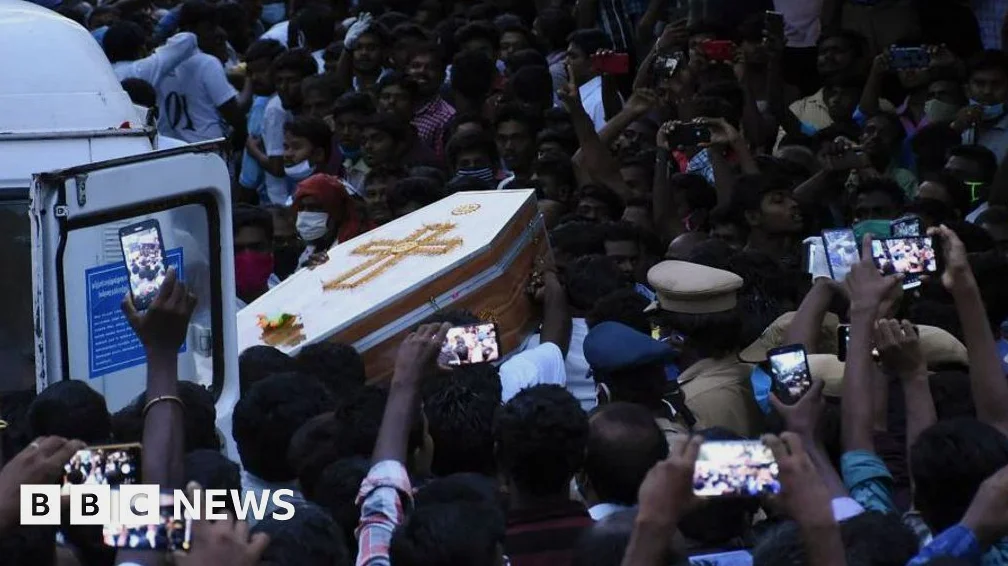
Nine police officers in India have been sentenced to death for their roles in the 2020 deaths of a father and son in custody, according to the BBC. The men. P Jeyaraj. 58, and his son Benicks, 38, died in a southern state jail after being detained for allegedly violating lockdown rules during the Covid-19 pandemic by keeping their mobile phone shop open.
The Brutal Treatment of the Detainees
The two men were stripped and ruthlessly assaulted in front of each other, the sentencing judge said on Monday, describing the case as a clear abuse of authority. They were found guilty of murder last month and will be able to appeal against their sentences, according to the BBC.
The judge said the officers attacked unarmed people and should not be forgiven — he added that the officers should not be given lesser sentences based on their age or family background, noting that they are all educated.
A Total of Ten Officers Arrested
Ten police officers in total were arrested over the brutal deaths of the father and son, but one of the accused died of Covid in 2020, according to the BBC. The case triggered protests in Tamil Nadu, with state opposition lawmakers among those who took to the streets.
Opposition leader Rahul Gandhi and Indian cricket star Shikhar Dhawan were among those who demanded justice for the two men on social media; the deaths brought the issue of police brutality in India back into the limelight, according to the BBC.
Rights groups say hundreds of people die while in custody in India every year, as they point out that torture and abuse to extract confessions from suspects have become part of policing, according to the BBC.
Call for Major Reforms in Indian Policing
Earlier this year. Several UN experts called on India to undertake major reforms to modernise policing in line with international human rights standards, according to the BBC; the case of Jeyaraj and Benicks has drawn significant attention to the systemic issues within Indian law enforcement.
The sentencing of the nine officers highlights the severity of the crime and the judicial system’s stance on police misconduct; the judge emphasized that the officers’ actions were intentional and should not be excused based on personal circumstances.
The case has become a symbol of the broader issues of police brutality and human rights violations in India. It has also sparked discussions about the need for accountability and reform within the police force.
They continue to advocate for changes that would prevent such incidents from occurring in the future. The families of the victims have expressed relief at the sentencing but remain hopeful for justice.
As the case moves forward, the legal community and human rights advocates are closely watching the appeals process to see if the sentences will be upheld. The incident has also prompted calls for greater transparency and accountability in policing practices across the country.






Comments
No comments yet
Be the first to share your thoughts