

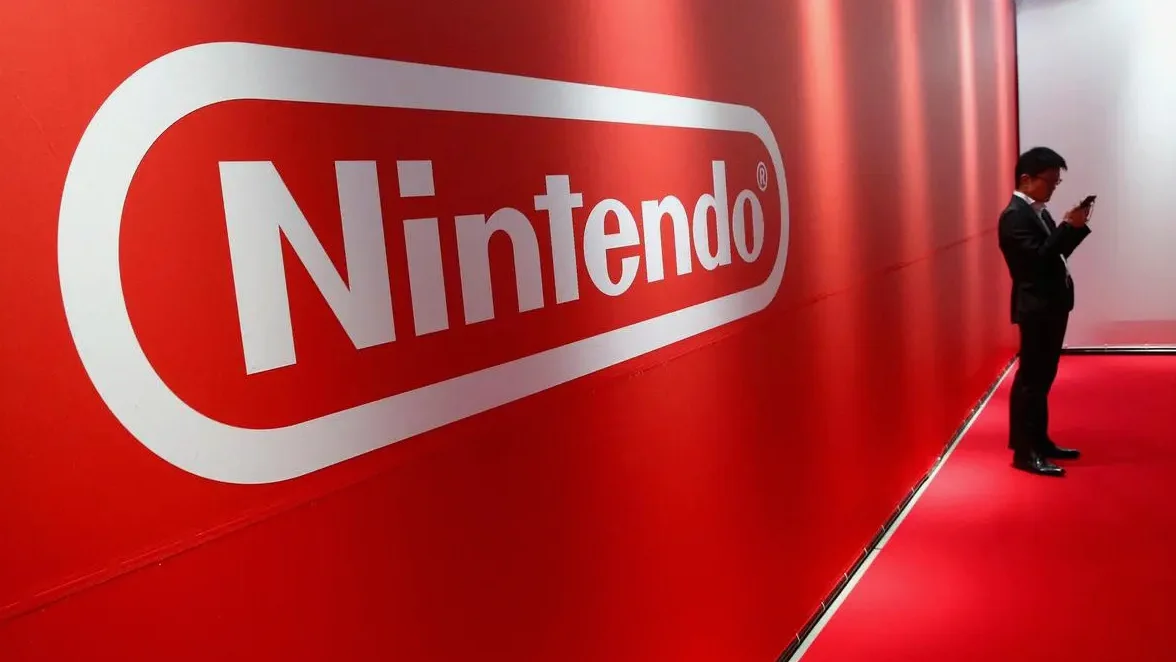
Nintendo Co. has filed a lawsuit in the U.S. Court of International Trade, seeking a refund for tariffs imposed under former President Donald Trump’s policies, which the Supreme Court recently ruled unlawful. The Japanese video game giant said the tariffs were ‘unlawfully collected’ and is requesting a ‘prompt refund’ for duties it paid to the U.S. government, according to a filing dated March 6.
Background on Trump’s Tariffs and Legal Challenges
The lawsuit comes after the Supreme Court ruled 6-3 on February 20 that Trump’s tariffs, imposed under the International Emergency Economic Powers Act (IEEPA), were issued illegally. The court found that the president exceeded his authority by using the IEEPA to justify tariffs on Chinese goods, which were meant to address trade imbalances and protect American industries.
The ruling has opened the floodgates for thousands of U.S. companies to seek refunds for approximately $170 billion in tariffs they paid under the now-overturned policy. Nintendo is among the latest to take legal action, joining a growing list of firms seeking redress for what they argue were unlawful charges.
According to the company’s filing, the tariffs were applied to products imported from China, including Nintendo’s popular Switch console and related accessories. The company said it paid more than $170 million in duties under the policy, which it now claims were improperly imposed.
Impact on Trade and Corporate Compliance
The legal challenge highlights the ongoing uncertainty in U.S. trade policy and the potential financial burden on multinational corporations. Companies have been forced to handle a complex web of tariffs, duties, and legal rulings, often at significant cost.
‘The tariffs imposed under the IEEPA were not justified by the statutory language or the president’s authority,’ the filing states. ‘Nintendo is seeking a prompt refund of all unlawful duties paid, as well as interest and legal costs.’
The case is not the first of its kind. Earlier this year, several major retailers and manufacturers, including Walmart and Apple, also filed similar lawsuits, arguing that the tariffs were applied without proper legal justification and that they were required to pay the duties despite the lack of clear congressional authorization.
According to a report from the U.S. International Trade Commission, the tariffs affected a wide range of consumer goods, from electronics to toys, with the video game industry being particularly impacted due to its reliance on imported components and finished products.
What’s Next for Nintendo and the Legal Battle
Nintendo’s lawsuit is expected to be heard by the U.S. Court of International Trade, where companies have historically sought relief from unjustified tariffs. The court will likely consider whether the tariffs were imposed in violation of the IEEPA and whether the company is entitled to a refund.
Legal experts suggest that the outcome of the case could set a precedent for other companies seeking refunds. If the court rules in favor of Nintendo, it may trigger a wave of similar claims, potentially leading to a significant financial reversal for the U.S. government.
The filing also includes a request for an expedited review of the case, citing the financial strain on the company and the need for a swift resolution. Nintendo did not immediately respond to requests for comment, but its legal team has stated that the company is committed to pursuing all available avenues to recover the funds.
The case is expected to be a focal point in the ongoing debate over the use of emergency economic powers by the executive branch. With the Supreme Court’s recent ruling, the legal landscape for tariffs has become more uncertain, and companies are increasingly seeking judicial clarity.
As the U.S. government prepares for potential refund claims, the Treasury Department has stated that it will review each case on its merits and work with the courts to resolve disputes in a timely manner. However, the process could take months, if not years, to complete.




Comments
No comments yet
Be the first to share your thoughts