

 The Guardian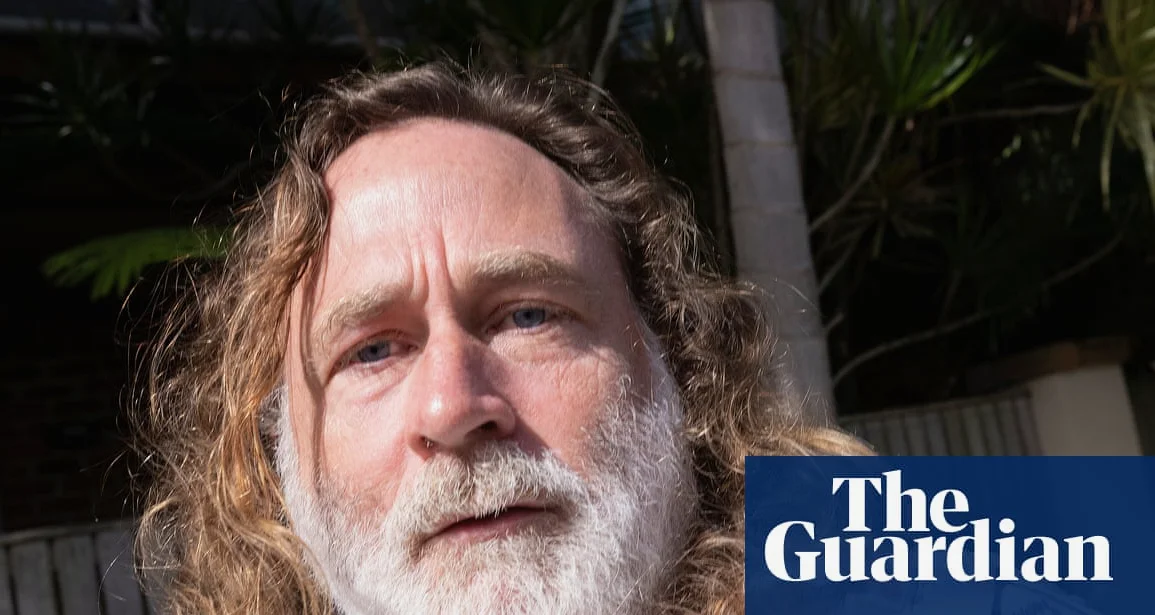
Soulore Solaris, 52, was arrested and charged on Tuesday over the 2021 death of Jarrad Antonovich, who died from a perforated oesophagus after participating in a ritual involving ayahuasca and the Amazonian toxin kambo at a retreat in northern New South Wales.
Details of the Ceremony and Legal Charges
Solaris, previously known as Peter George McIntyre, ran the Arcoora retreat in Collins Creek, about 60 kilometers from Byron Bay. He was charged with manslaughter after the 47-year-old client collapsed following the use of the substances on 16 October 2021.
Police allege Solaris presided over the ceremony and provided Antonovich with ayahuasca. They also claim he delayed seeking medical treatment after the client collapsed, which led to his death.
Kambo, a substance derived from the skin of the giant tree frog, is classified as a Schedule 10 poison in Australia, the highest classification under the Therapeutic Goods Administration. This means it is banned from use in the country. The use of kambo was prohibited two weeks before Antonovich’s death.
Ayahuasca, a plant-based psychedelic, was also banned in 2022. It is typically consumed as a bitter-tasting tea and is rooted in the traditional practices of Indigenous South American communities. Proponents believe it can help detoxify the body and promote spiritual growth.
Impact on Wellness Industry and Public Safety
The case has raised concerns about the safety of alternative wellness practices and the regulation of substances used in spiritual retreats. Antonovich’s family has previously called for a ban on similar ceremonies, emphasizing the risks associated with unregulated use of banned substances.
Jarrad Antonovich’s brother, Chris, told reporters during an inquest into his death in 2024, ‘He had a heart of gold … no one deserves what happened to him.’ The family’s call for stricter oversight has been echoed by health officials, who have noted the increasing number of such retreats offering unregulated treatments.
The Health Care Complaints Commission has already banned Solaris from providing any health services to the public, whether paid or voluntary. This follows previous complaints about his practices and the nature of the retreats he ran.
Following his arrest, Solaris was released on bail with conditions that include not leaving the country, reporting to police three times a week, and providing a $20,000 security agreement if he fails to appear in court.
Legal and Regulatory Implications
The case has highlighted the legal and ethical boundaries of alternative wellness practices in Australia. With the use of both kambo and ayahuasca now banned, the legal framework surrounding these substances is expected to be scrutinized further.
Health officials have noted that the number of spiritual retreats offering such practices has grown in recent years, often operating in a legal gray area. The case could prompt stricter regulations and increased oversight of these facilities.
According to the Therapeutic Goods Administration, kambo’s Schedule 10 classification means it is considered a poison that can cause serious harm or death if misused. The use of such substances outside of a clinical setting is highly discouraged.
The inquest into Antonovich’s death concluded that the combination of ayahuasca and kambo, along with the lack of medical supervision, contributed to the fatal outcome. The findings have reinforced calls for greater transparency and regulation in the wellness industry.
With Solaris facing a potential trial, the case is expected to set a precedent for similar incidents. Legal experts suggest that the outcome could influence future prosecutions related to unregulated spiritual practices and the use of banned substances.






Comments
No comments yet
Be the first to share your thoughts