

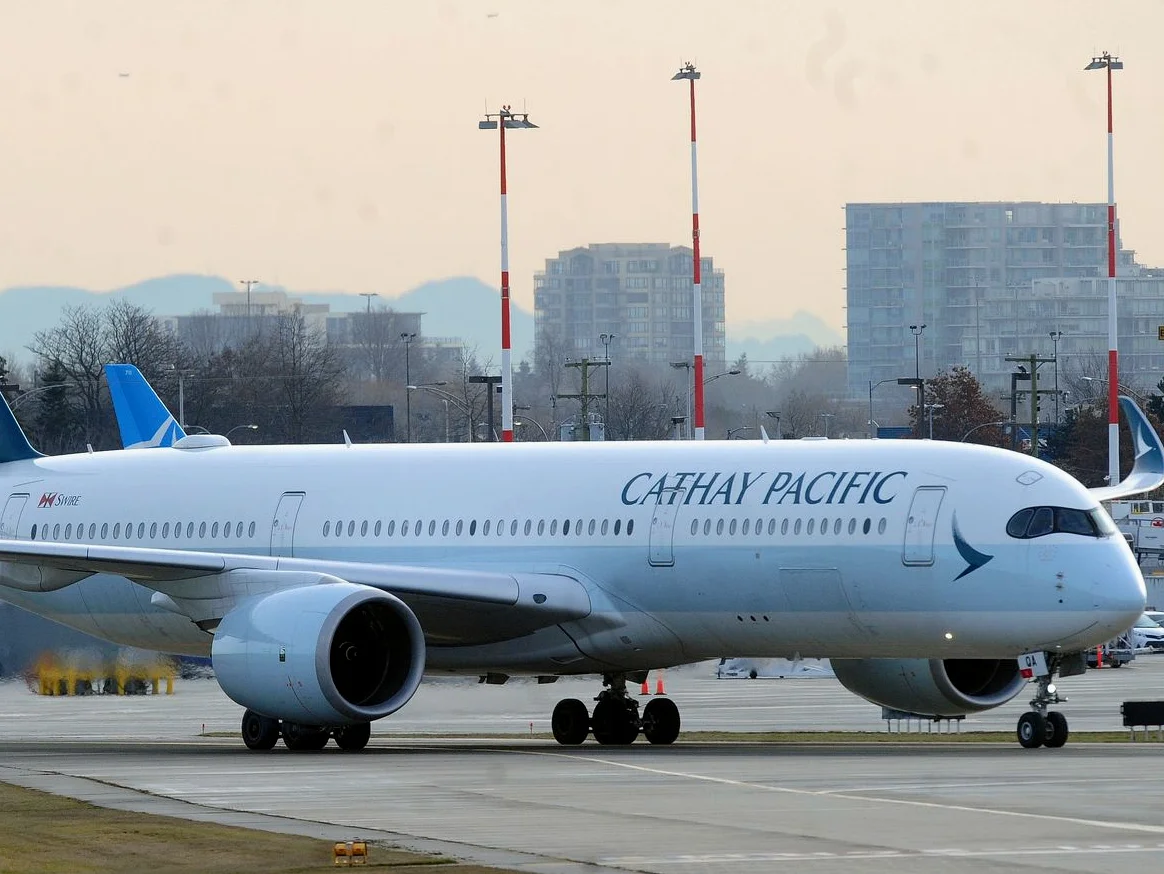
Oil prices have surged to a 12-month high, sending shockwaves through the aviation industry as airlines grapple with the financial implications of soaring fuel costs. With crude oil trading at $85 per barrel, the cost of jet fuel has climbed sharply, prompting concerns that the increased expenses will be passed on to consumers in the form of higher ticket prices.
Impact on Airline Profit Margins
Airlines operate on razor-thin profit margins, typically ranging between three and four percent, according to industry analysts. Fuel costs, which can account for up to 30 percent of an airline’s total operating expenses, have risen by more than 50 percent in the past year. This dramatic increase has placed immense pressure on carriers to maintain profitability, forcing them to evaluate whether to absorb the costs or pass them on to passengers.
John Smith, a senior analyst at FlightData Insights, explained that airlines are now in a precarious position. ‘For every flight you dispatch, you lose money because the margins are so thin in the airline business,’ Smith said. ‘If you have a cost item that represents 30 percent of your costs, and the costs have gone up 50 percent, and that cost is immediately reflected on your cash flows, your financial guys are going to be looking at dollars being thrown out the window every time a flight leaves.’
The situation is compounded by the fact that fuel prices are volatile and unpredictable. Airlines have historically used hedging strategies to mitigate fuel cost fluctuations, but with recent market conditions, these strategies have become less effective. As a result, carriers are now facing a dilemma: either raise ticket prices, which could lead to a drop in demand, or absorb the costs and risk financial losses.
Historical Precedents and Passenger Behavior
This is not the first time the aviation industry has faced a fuel price spike. Similar trends were observed during the 2008 financial crisis and again in 2012, when oil prices reached a peak of $120 per barrel. In both instances, airlines increased ticket prices, which led to a decline in passenger demand. However, the extent of the impact varied depending on the economic climate and the availability of alternative travel options.
According to a report by the International Air Transport Association (IATA), a 10 percent increase in fuel prices can lead to a 3-5 percent increase in ticket prices. This suggests that as oil prices continue to climb, the cost of flying could rise significantly in the coming months. The report also noted that consumer behavior is a key factor in how airlines respond to rising costs. If passengers become unwilling to pay higher prices, airlines may be forced to reduce the number of flights or implement more stringent cost-cutting measures.
‘For every flight you dispatch, you lose money because the margins are so thin in the airline business,’ Smith said. ‘And if you have a cost item that represents 30 percent of your costs, and the costs have gone up 50 percent, and that cost is immediately reflected on your cash flows, your financial guys are going to be looking at dollars being thrown out the window every time a flight leaves.’
The airline industry has already begun to feel the effects of the rising fuel prices. In the first quarter of 2024, several major carriers reported a decline in profitability, with some even posting losses. This has prompted airlines to reassess their pricing models and consider implementing fare increases to offset the rising costs.
What Analysts Say About the Future
Analysts are divided on how the situation will unfold. Some believe that airlines will be forced to raise ticket prices, while others argue that the industry will find alternative ways to manage the increased costs. According to a recent survey by the Air Transport Research Society, 62 percent of respondents believe that fuel prices will remain high for at least the next 12 months, which could lead to a sustained increase in ticket prices.
‘Airlines are in a tough spot,’ said Sarah Lee, an aviation economist at the Global Airline Research Group. ‘They need to find a balance between maintaining profitability and keeping ticket prices affordable for passengers. If they raise prices too much, they risk losing customers to other modes of transportation, like trains or buses.’
Lee also noted that the impact of rising fuel prices could be more pronounced in regions with less competition in the airline market. In such areas, airlines may have more flexibility to increase prices without losing a significant number of customers. However, in highly competitive markets, the pressure to maintain affordability could lead to more aggressive cost-cutting measures, such as reducing the number of flights or cutting back on in-flight services.
The situation is further complicated by the global economic outlook. With inflation remaining high and consumer spending power declining, passengers may be more sensitive to price increases. This could force airlines to be cautious in how they implement fare hikes, lest they see a drop in demand that undermines their long-term profitability.
As the aviation industry handles this challenging period, the question remains: will the rising cost of oil ultimately translate into higher ticket prices for travelers? The answer may depend on a combination of factors, including the duration of the fuel price spike, the response of consumers, and the ability of airlines to adapt to the new economic reality.






Comments
No comments yet
Be the first to share your thoughts