

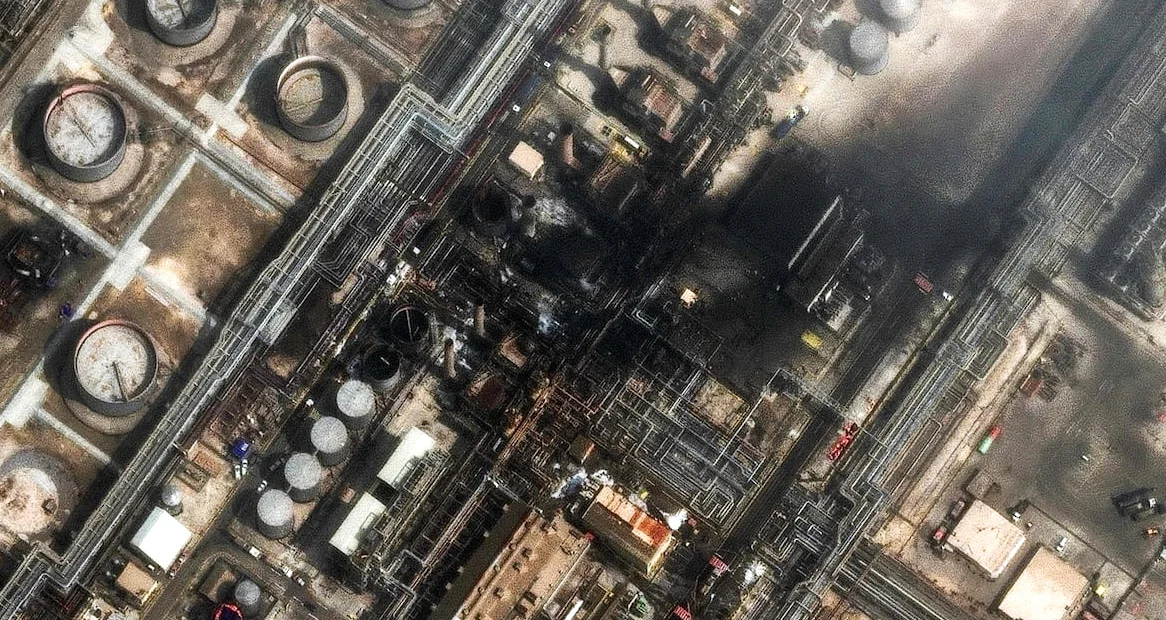
One week into the escalating conflict between Iran and the United States and Israel, the global economy is under pressure as energy prices soar and aviation sectors face unprecedented disruptions. The war has triggered a sharp rise in oil prices, with Brent crude near $90 per barrel, while airlines across the Gulf have suspended flights, leading to billions of dollars in potential losses.
Energy Markets Under Pressure
The International Monetary Fund (IMF) has warned that the Middle East conflict could lead to a prolonged period of economic flux, with potential impacts on global energy prices, inflation, and growth. IMF Managing Director Kristalina Georgieva said the world is facing a “potentially prolonged period of flux” if the war continues.
Brent crude prices surged 11 per cent on Monday after the initial strikes by the US and Israel on Iran and have remained above $80 per barrel due to ongoing supply risks. The Strait of Hormuz, a critical oil shipping route, has effectively been closed, with vessel traffic almost coming to a halt. The strait handles about one-fifth of the world’s seaborne oil, and its disruption has pushed oil prices higher.
Energy infrastructure, including refineries, port installations, and LNG production centers, has suffered damage from Iranian retaliatory strikes on Gulf states. QatarEnergy has declared force majeure on LNG deliveries, pushing European gas prices up by more than 52 per cent. Saudi Arabia’s Ras Tanura refinery, which processes 550,000 barrels per day, was also shut down after a drone attack.
Economic Implications and Inflation Risks
Analysts warn that sustained high oil and gas prices could push inflation to higher levels. Rania Gule, a senior market analyst at XS.com, said losses could reach hundreds of billions of dollars if the war continues for several months and oil prices rise above $100 per barrel.
“The coming weeks will be critical not only for the future trajectory of the war, but also for the direction of the global economy, energy prices, and inflation worldwide,” Gule said. Monica Malik, chief economist at Abu Dhabi Commercial Bank (ADCB), said the Gulf countries are in a strong position to withstand the uncertainty, but the downside risks could affect several sectors, including trade, tourism, and hospitality.
According to Ahmad Assiri, a research strategist at brokerage Pepperstone, the next phase of the conflict will depend on how long it lasts and whether key energy infrastructure or shipping routes are disrupted. If the Strait of Hormuz reopens and energy infrastructure remains intact, crude prices may stabilize or retrace part of the surge. However, if shipping is disrupted, oil prices could rise to $120 per barrel.
Airlines Bear the Brunt of Disruption
The conflict has had a severe impact on the aviation sector, with major Gulf carriers such as Emirates, Etihad Airways, and Qatar Airways suspending commercial flights. The airlines have closed their airspace to regular air traffic due to missile attacks, leading to significant revenue losses.
According to aviation data firm Cirium, more than 51,000 flights were scheduled in and out of the Middle East between February 28 and March 6, with more than 29,500 flights canceled. Nolwenn Allano, chief commercial officer at EIRS, said airlines must absorb the cost of canceled flights, refunds, and rebooking passengers, as aviation insurance does not typically cover lost revenue from war or political events.
Airlines are also facing higher war-risk insurance costs and rising jet fuel prices. Most carriers maintain high fuel-hedging coverage, with hedge levels for the next three months ranging from 50 per cent to more than 80 per cent, according to a report by Fitch Ratings.
“If the disruption continues, we believe losses for the wider airline industry could reach hundreds of millions of dollars,” Allano said. However, airlines based in the UAE generally have strong financial backing and diversified international demand, which helps them manage short-term shocks better than many other carriers.
Airlines that operate direct routes between Europe and Asia without relying on Gulf hubs could benefit temporarily, but Gulf airlines are expected to maintain their strong global networks and strategic locations connecting East and West.






Comments
No comments yet
Be the first to share your thoughts