

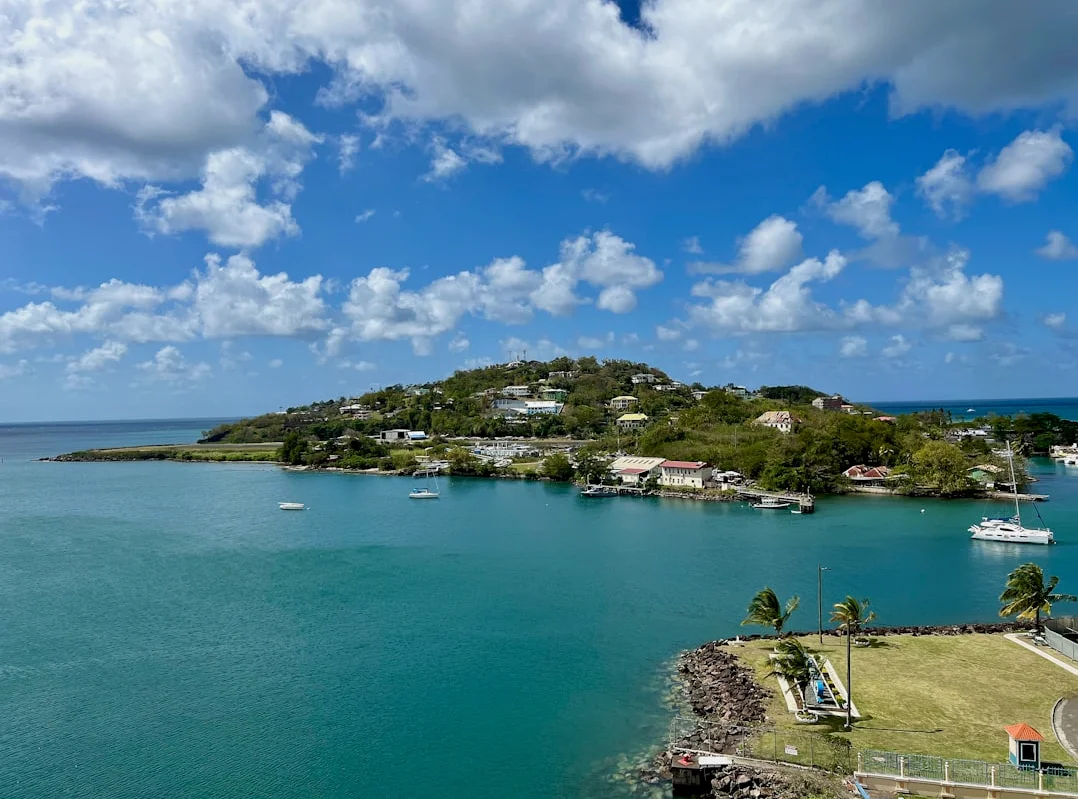
Three Caribbean leaders—Guyana’s President Dr. Mohamed Irfaan Ali, Trinidad and Tobago’s Prime Minister Kamla Persad-Bissessar, and the Dominican Republic’s Luis Abinader—are set to attend the inaugural ‘Shield of the Americas’ summit, hosted by U.S. President Donald Trump in Doral City, Florida, on Saturday, March 7, 2026. The summit brings together 12 Latin American and Caribbean nations to address regional security challenges, including migration, organized crime, and drug trafficking.
Regional Focus on Security and Migration
The summit marks a new phase in U.S. foreign policy, emphasizing hemispheric cooperation on security issues. According to the White House, the gathering aims to strengthen regional partnerships to address shared threats. White House Press Secretary Karoline Leavitt stated the meeting will focus on building stronger alliances to address challenges affecting the Americas.
U.S. officials have highlighted the need for coordinated strategies against transnational criminal organizations that operate across borders. The summit also seeks to address mass migration flows, particularly from Central America to the United States and other parts of the Western Hemisphere.
Participants will include leaders from Argentina, Bolivia, Chile, Costa Rica, Ecuador, El Salvador, Honduras, Panama, Paraguay, as well as the three Caribbean nations. Notably, no other Caribbean Community (CARICOM) leaders have been invited, reflecting a strategic choice by the Trump administration to prioritize certain regional players.
Strategic Importance of Invited Nations
Guyana, one of the fastest-growing economies in the region, has gained strategic importance due to its expanding oil sector and growing diplomatic profile. President Ali’s attendance highlights the country’s increasing role in regional and hemispheric dialogue.
Trinidad and Tobago, a key player in Caribbean security cooperation, continues to engage actively in regional diplomacy. Prime Minister Persad-Bissessar’s presence highlights the country’s commitment to regional stability and law enforcement collaboration.
The Dominican Republic, under President Abinader, has also been a focal point in regional security discussions, particularly regarding migration and crime. Its inclusion in the summit signals the administration’s recognition of its role in hemispheric security.
What Analysts Say
Experts suggest the summit reflects a broader shift in U.S. foreign policy toward more focused, alliance-based approaches to regional security. According to analysts, the exclusion of other CARICOM leaders may be due to the administration’s emphasis on nations with more direct links to transnational crime and migration flows.
“This summit is a clear signal that the U.S. is prioritizing security cooperation with countries that are most affected by organized crime and drug trafficking,” said one regional analyst, who requested anonymity. “It also shows a strategic alignment with nations that have emerging economic and geopolitical influence in the region.”
U.S. officials have stated that the summit will focus on strengthening intelligence sharing, security cooperation, and policy coordination among participating governments. Leavitt added that the meeting aims to “promote freedom, security, and prosperity in our region.”
President Trump is expected to address the summit, emphasizing the formation of a “historic coalition” to combat criminal and narcoterrorist gangs and counter illegal migration into the United States and the broader Western Hemisphere.
The summit comes amid heightened concern across the Americas about the growing influence of transnational criminal organizations. Officials have stressed the need for a unified response to these threats, which have increasingly blurred national borders and challenged regional stability.
Looking ahead, the summit may lead to the establishment of formal mechanisms for ongoing security cooperation. The U.S. administration has not yet announced specific outcomes or commitments from the meeting, but officials have indicated that discussions will focus on concrete steps to enhance regional security and address migration challenges.




Comments
No comments yet
Be the first to share your thoughts