

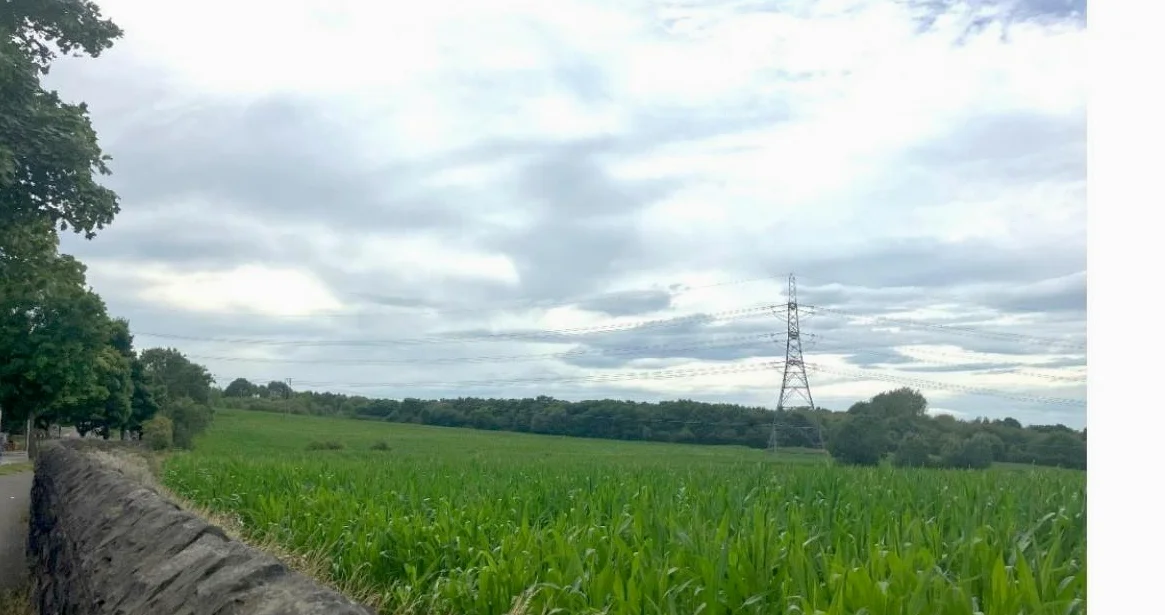
Wakefield Council’s planning and highways committee has approved two major housing developments in Normanton, West Yorkshire, totaling nearly 450 homes. The proposals, submitted by Persimmon Homes and Taylor Wimpey, have sparked widespread objections from residents, local councillors, and even the area’s MP, Jon Trickett.
Opposition Highlights Concerns Over Infrastructure and Environment
The Persimmon Homes scheme involves the construction of 308 properties across 15 hectares of farmland to the west of Wakefield Road. This land, near the Welbeck landfill site and adjacent to the town’s former brickworks, was removed from the greenbelt and designated for housing in the council’s Local Plan in 2024. The decision has drawn criticism from local residents, who argue that the area lacks the necessary infrastructure to support such a large increase in population.
Normanton councillor Julie Medford described the site as ‘the only green space left in Normanton,’ emphasizing the importance of the area for community well-being. She stated that the development would place undue strain on the town’s resources, including healthcare, education, and transportation. ‘That is too much development for one town to cope with all at once,’ she said during a meeting on Friday (March 13).
Normanton Town Council member Mark Jennings echoed these concerns, pointing out that Wakefield Road already experiences heavy traffic. He warned that the additional movement caused by the development would increase the risk of highway safety incidents. ‘The development would also result in the permanent loss of agricultural land,’ he added.
Developer Promises Green Spaces and Infrastructure Investment
Persimmon Homes has stated that the development will include public open spaces and that all homes will be equipped with EV chargers and air source heat pumps. The company also pledged to contribute more than £600,000 to upgrade local highways and transport links. In a separate application, Taylor Wimpey was granted permission to build 137 homes on five hectares of agricultural land off Buckthorne Road, with a total of 92 objections submitted over similar concerns.
Taylor Wimpey’s proposal includes the construction of two, three, and four-bedroom properties, including 14 affordable homes. An officer’s report noted that the development is ‘acceptable in principle’ and that there are no technical reasons to withhold planning permission, provided that planning conditions and a legal agreement are met.
James Parkin, land director for Persimmon West Yorkshire, expressed satisfaction with the approval, stating that the site is allocated for housing in the Wakefield Local Plan. He emphasized that the development would provide ‘a great mix of new homes for local homebuyers,’ including energy-efficient homes and public open spaces for residents to enjoy.
Residents and Officials Warn of Overdevelopment Risks
Opponents of the development have raised concerns about the potential impact on local wildlife, flood risks, and the lack of infrastructure to support the increased population. Some 224 objections were submitted to the local authority, including those from district councillors, Normanton Town Council, and the area’s MP, Jon Trickett.
The controversy over the proposed developments has highlighted the growing tension between housing needs and the preservation of green spaces and community infrastructure. With the council currently considering six separate housing applications for Normanton, many residents are worried about the long-term consequences of such rapid development.
The approval of these housing schemes comes amid a broader debate over the balance between meeting housing demand and protecting local environments and community resources. As the projects move forward, the focus will be on how the council and developers address the concerns raised by residents and ensure that the development does not overwhelm the town’s existing infrastructure.
The Wakefield Local Plan, which designated the land for housing in 2024, reflects a broader trend of increasing housing development in the region. However, the scale of the Normanton projects has sparked a renewed discussion about the need for more thorough planning that considers the impact on local communities and the environment.






Comments
No comments yet
Be the first to share your thoughts