

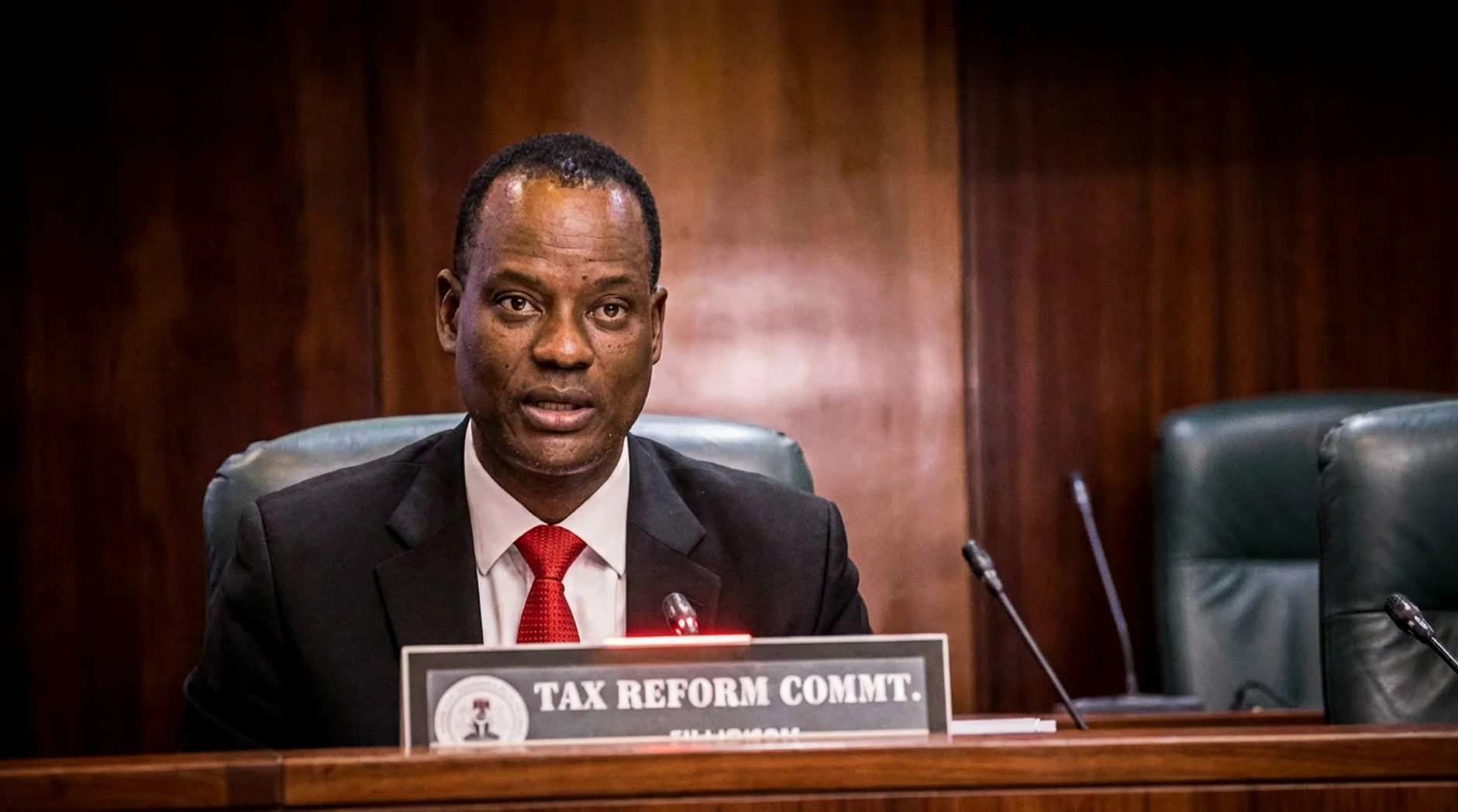
LAGOS — Taiwo Oyedele, head of the Presidential Committee on Fiscal Policy and Tax Reforms, declared Thursday that persistent collaboration with industry groups will drive the success of Nigeria’s new tax reforms, now rolling out since January.
During a courtesy visit by the National Association of Nigeria Travel Agencies (NANTA), led by President Yinka Folami, Oyedele hosted the group at his Lagos office. He stressed that education, open dialogue and regular consultations with trade associations remain essential. Such efforts, he said, close information gaps and build deeper insight across the tax system.
“Our committee has met with several multi-layered organisations, including airlines,” Oyedele told the visitors. “To be honest, we were not fully aware of the depth and strategic role of your association as a critical solution driver in the tax reform process.”
The exchange opened new channels of understanding, he added. That progress left him optimistic about the reforms’ outcome.
Oyedele pressed NANTA leaders to educate their more than 3,500 members on maintaining accurate records of account turnover and banking transactions. Proper documentation, he explained, prevents unexpected tax liabilities from mismatched figures.
The committee plans further meetings with NANTA to resolve ambiguities in the downstream aviation tax sector, officials said.
Folami raised alarms over multiple taxation weighing on travel trade members. He sought clearer guidelines on levies and taxes tucked into airline tickets. Those charges frequently get pinned on travel professionals, leading to double taxation in some cases, according to Folami.
NANTA backs government tax policies and national development goals, Folami noted. Still, members need precise details on their obligations.
He pushed for steady talks between the Presidential Committee and agencies like the Nigerian Revenue Service, formerly the Federal Inland Revenue Service. Those discussions should tackle lingering uncertainties.
“We are in support of government tax policies and have consistently championed Nigeria-centric initiatives to drive reforms in the downstream aviation sector,” Folami said. “Our presence here today highlights our commitment to building a knowledge-based and sustainable relationship with government, especially on tax reforms and implementation.”
Oyedele’s committee has engaged airlines and other entities in recent months. The NANTA meeting marks another step in widening those consultations. Reforms aim to streamline Nigeria’s complex tax landscape, though industry pushback persists on overlapping levies.
Travel agencies handle ticket sales and related services, often handling a web of fees from regulators and airlines. Folami’s group represents thousands of such businesses nationwide.
Oyedele reiterated the reforms’ focus on fairness and efficiency. Success hinges on buy-in from sectors like aviation, he said. NANTA’s involvement could shape how taxes apply to ticket processing and passenger services.






Comments
No comments yet
Be the first to share your thoughts