

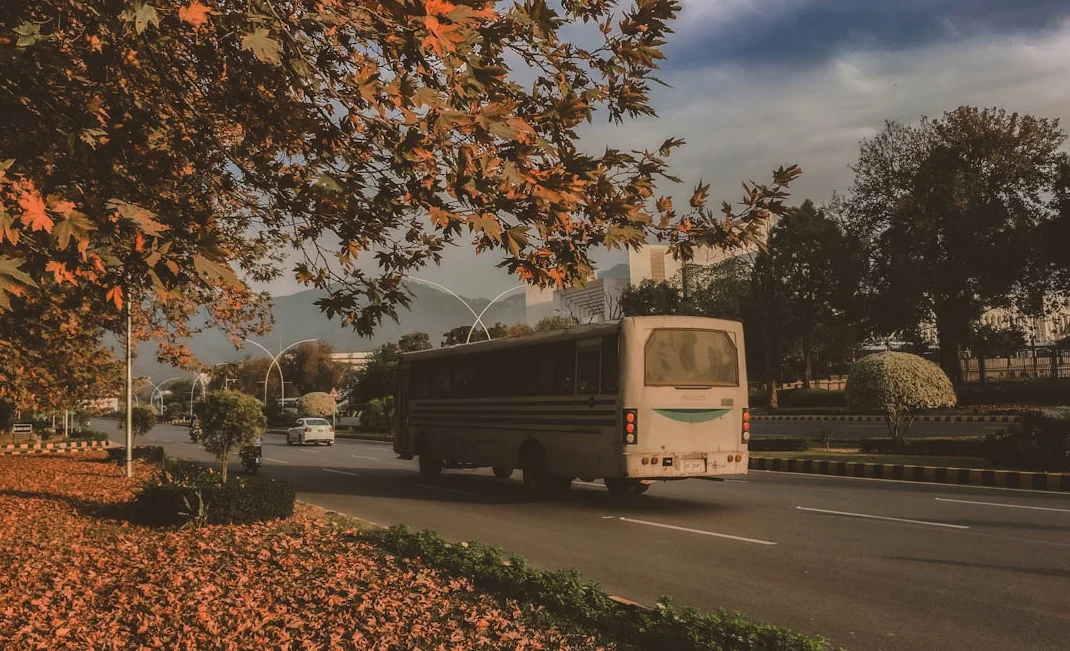
At least 40 people were killed and eight injured when an overcrowded passenger bus traveling from Quetta to Peshawar in southwest Pakistan plunged into a deep ravine, according to multiple officials. The incident occurred near the border of Balochistan and Khyber Pakhtunkhwa provinces in the mountainous region of Dana Sar. A police official. Mohamed Nasir. Told DPA news agency that speeding was a likely cause of the crash, though an investigation has been launched to determine the exact reason.
Rescue Efforts Hampered by Terrain
Rescue teams from both Balochistan and Khyber Pakhtunkhwa provinces were deployed to the scene — According to Sanaullah Sherani, head of the district’s emergency services in Zhob, the rugged mountainous terrain significantly complicated the initial rescue operations. Fazal Din. A rescue department spokesman. Said teams used cutters and machines to retrieve bodies and injured people from the wreckage; the injured were transported to a nearby hospital, with three of them in critical condition.
Overcrowding and Safety Concerns
The bus was carrying not only its own passengers but also those from another bus that had broken down, leading to an overcrowded vehicle, though this contributed to the severity of the crash, as more people were at risk inside the bus. Pakistan’s President Asif Ali Zardari expressed sorrow over the crash, offering condolences to the families of those killed and wishing the injured a speedy recovery.
Such road accidents are common in Pakistan, often attributed to weak traffic enforcement laws, speeding, poor road safety standards, and reckless driving. In May. A similar incident occurred when a minibus collided with a parked bus on a motorway in northwest Pakistan, killing 17 people and injuring five others.
Regional Pattern of Road Accidents
While the specific incident in Pakistan is tragic, it is part of a broader pattern of road accidents in the region. In Senegal, another fatal crash occurred recently, killing 40 people and injuring dozens. In that case, a public bus punctured a tire and veered across the road, colliding with another bus. The Senegalese president declared three days of mourning and pledged to review road safety measures.
Across the Middle East and South Asia, infrastructure challenges and lax enforcement of safety standards contribute to frequent road accidents. In Iraq, for example, more than 600 Shia pilgrims were briefly hospitalized due to a chlorine gas leak from a water treatment station. Iraq’s Ministry of Health confirmed all were treated and released, but the incident highlighted the country’s ongoing struggles with infrastructure and safety.
In July, a fire at a shopping center in Iraq killed more than 60 people, highlighting the risks posed by outdated and poorly maintained infrastructure. Pakistan and other countries in the region continue to grapple with these issues, calling for stronger enforcement of traffic laws and investment in road safety measures to prevent further tragedies.






Comments
No comments yet
Be the first to share your thoughts