

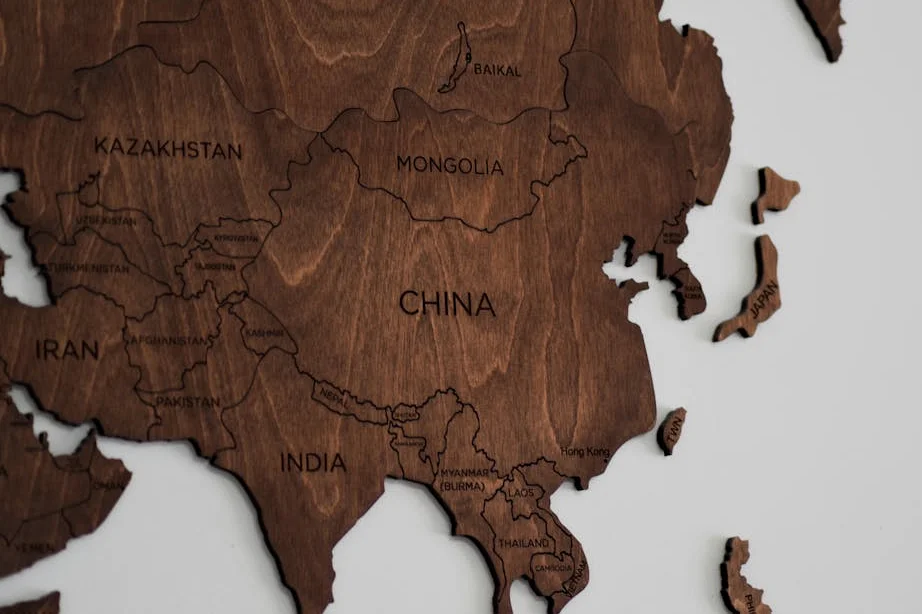
Pakistan has hosted a four-nation diplomatic meeting involving Pakistan, Turkey, Egypt, and Saudi Arabia to encourage the United States and Iran to pursue de-escalation and diplomacy, according to Al Jazeera and NPR reports. The talks. Held in Islamabad. Aim to address rising tensions in the Middle East, particularly between the U.S. and Iran, and seek a path toward peaceful resolution.
Regional Tensions and Diplomatic Efforts
The meeting comes amid escalating hostilities in the Middle East, with U.S. and Israeli military actions against Iran and its allies drawing international concern. Foreign ministers from Pakistan. Turkey, Egypt, and Saudi Arabia gathered in Islamabad to discuss strategies to de-escalate the situation and promote dialogue between the U.S. and Iran. According to Al Jazeera, the group emphasized the need for a ‘diplomatic solution to the ongoing conflict.’
Officials from the four nations expressed their commitment to supporting regional stability and reducing the risk of further conflict. Turkish Foreign Minister Hakan Fidan, speaking at the meeting, stated that ‘regional actors must work together to prevent the situation from spiraling out of control,’ according to a report from Al Jazeera. The group also discussed the role of international mediation and the importance of multilateral diplomacy in resolving the crisis.
According to NPR, the talks were part of a broader effort to address the ‘war on Iran’ as described by some analysts, which includes U.S.-led strikes and sanctions against Iran, as well as Israeli military operations targeting Iranian-backed groups in the region. The four-nation meeting sought to present a unified front in advocating for a return to diplomatic channels.
Local Reactions and Regional Perspectives
Local reactions to the meeting varied across the Middle East. In Pakistan, analysts welcomed the initiative, noting that Islamabad has long sought to position itself as a neutral mediator in regional disputes. According to a report from Al Jazeera, some Pakistani analysts described the meeting as a ‘critical step toward stabilizing the region.’
In contrast, Iran has remained skeptical of the diplomatic overtures, with state media questioning the sincerity of the participating nations. ‘Iran has repeatedly called for direct dialogue with the U.S., but the four-nation meeting does not include the United States or Iran, which raises questions about its effectiveness,’ according to a statement from the Iranian Ministry of Foreign Affairs, as reported by Al Jazeera.
In Egypt and Saudi Arabia, the meeting was viewed as an opportunity to strengthen regional cooperation. Saudi officials emphasized the need for ‘greater coordination among Arab states to counter external threats,’ according to a report from Al Jazeera. Egypt’s foreign ministry expressed support for the initiative, calling it ‘a positive development for regional peace and security.’
International Implications and U.S. Response
The four-nation meeting has drawn attention from international observers, including the United Nations and European diplomatic bodies. The U.S. has not officially commented on the meeting, but analysts suggest that Washington is closely monitoring the situation. According to NPR, some U.S. officials have expressed openness to diplomatic engagement, though they have not yet indicated a willingness to negotiate directly with Iran.
The meeting also raises questions about the role of non-traditional mediators in the Middle East. While the U.S. and Iran have historically engaged in direct talks, the involvement of countries like Pakistan, Turkey, and Saudi Arabia signals a shift in the diplomatic landscape. According to a report from Al Jazeera, this approach may reflect growing frustration with the lack of progress in bilateral negotiations.
According to NPR, the meeting did not result in immediate agreements, but it laid the groundwork for future discussions. The four-nation group plans to hold follow-up meetings to assess the situation and determine next steps. The U.S. and Iran have been urged to engage in direct talks, but neither has shown a clear willingness to do so at this time.
What’s Next and Why It Matters
The four-nation meeting is likely to be followed by more diplomatic efforts, particularly as the situation in the Middle East continues to evolve. Analysts suggest that the participating countries may seek to build on the momentum of the Islamabad talks to push for a broader regional dialogue involving the U.S. and Iran.
The meeting also highlights the growing role of regional actors in shaping the diplomatic agenda. As tensions in the Middle East escalate, the involvement of countries like Pakistan, Turkey, Egypt, and Saudi Arabia may become increasingly important in determining the course of future negotiations.
If the four-nation group succeeds in facilitating dialogue between the U.S. and Iran, it could lead to a reduction in hostilities and a more stable Middle East. The outcome of the meeting could have significant implications for global security and stability. However, if the efforts fail to gain traction, the risk of further conflict may remain high.






Comments
No comments yet
Be the first to share your thoughts