

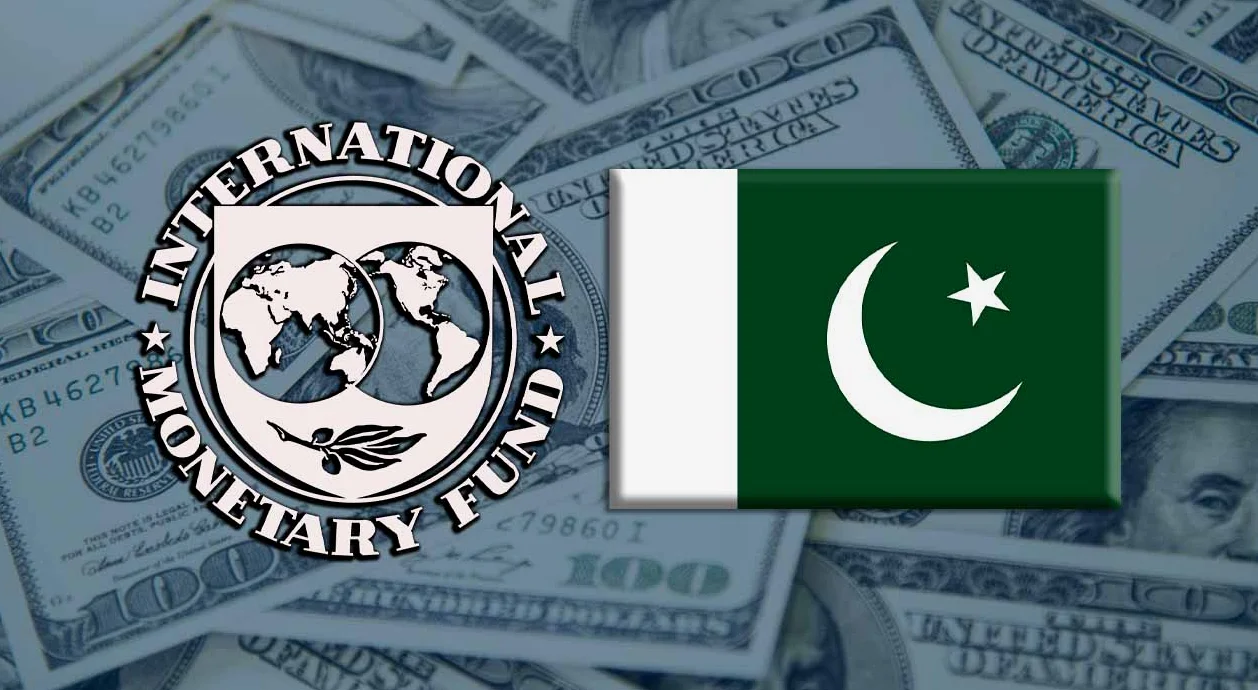
Pakistan and the International Monetary Fund (IMF) are close to finalizing a revised macroeconomic and fiscal framework for the current fiscal year, which includes lowering the Federal Board of Revenue’s (FBR) tax collection target to Rs13.45 trillion by June 2026. This adjustment comes after initial parliamentary approval of a higher target of Rs14.13 trillion for the fiscal year 2026.
Revised Tax Targets and Economic Context
The government had initially set the FY26 tax collection goal at Rs14.13 trillion through parliamentary approval. That target was later reduced to Rs13.97 trillion with IMF consent, and discussions are now underway to revise it further to around Rs13.45 trillion. This marks a continued downward trend in the tax collection expectations.
Under the revised framework, the FBR is projected to achieve a tax-to-GDP ratio of about 10.6% by the end of the fiscal year, compared with 10.3% recorded in June 2025. The original target agreed with the IMF for FY26 was a tax-to-GDP ratio of 11%.
The revised target reflects the current economic challenges faced by Pakistan, including a revenue shortfall of about Rs428 billion during the first eight months of the fiscal year against its revised target. Based on current projections, one percent of GDP is estimated at about Rs1.269 trillion, which places the expected revenue collection close to Rs13.45 trillion if the tax-to-GDP ratio reaches 10.6%.
Economic Adjustments and Fiscal Challenges
Officials said the Ministry of Finance will need to adjust government expenditures to keep fiscal deficit and primary surplus targets aligned with commitments under the IMF programme. This adjustment is critical to maintaining economic stability and ensuring compliance with the IMF’s conditions.
The two sides have also reviewed the broader macroeconomic outlook. Pakistani authorities maintained that real GDP growth could reach around 4% during the current fiscal year due to improved economic activity in the early months. Earlier projections by the IMF had placed growth at about 3.2% following the impact of major floods.
However, recent increases in global fuel prices linked to geopolitical tensions in the Gulf region have added pressure to prices, leading to an increase in inflation expectations. Inflation measured through the Consumer Price Index is now expected to average between 7% and 7.5% for FY26. The Ministry of Finance had earlier estimated inflation in the range of 5% to 7%, but the current situation has shifted the outlook.
On the external front, the State Bank of Pakistan has continued purchasing dollars from the open market to strengthen foreign exchange reserves. Officials said the external sector remains under pressure due to developments in the Middle East, although the current account deficit is still expected to remain within the projected range of zero to one percent of GDP for the fiscal year.
Implications for Ordinary Pakistanis
The revised tax targets and economic adjustments have significant implications for ordinary Pakistanis. The reduction in tax collection goals may lead to a reassessment of government spending and public services, which could affect the availability and quality of essential services. Additionally, the expected rise in inflation could impact the purchasing power of citizens, making everyday goods and services more expensive.
According to officials, the government is working closely with the IMF to ensure that the revised fiscal framework supports sustainable economic growth while managing the current challenges. The focus is on maintaining macroeconomic stability and ensuring that the country remains on track for future IMF support.
The revised framework also highlights the need for structural reforms in the tax collection system to improve efficiency and reduce the revenue shortfall. These reforms are critical for long-term economic stability and will require coordinated efforts across various government departments and agencies.
With the current economic landscape, the government faces the challenge of balancing fiscal responsibilities with the need to support economic recovery and development. The revised tax targets and economic adjustments are part of a broader strategy to ensure that Pakistan remains resilient in the face of external and internal economic pressures.





Comments
No comments yet
Be the first to share your thoughts