

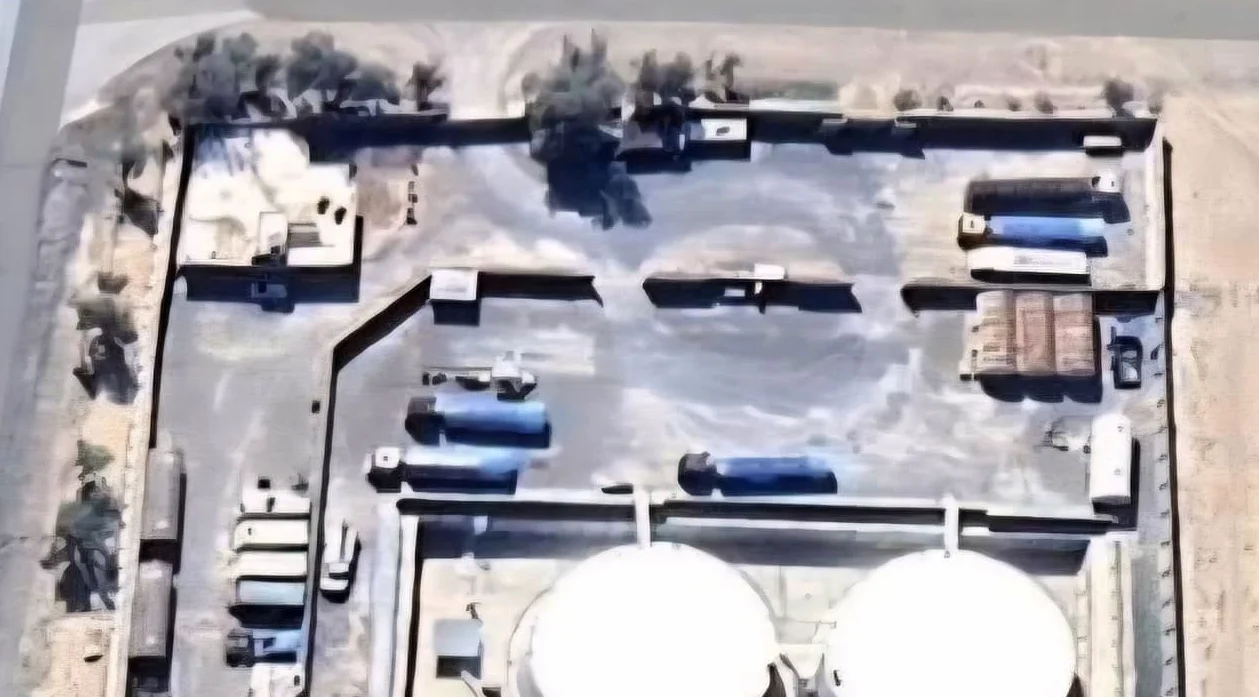
Taliban spokesperson Zabihullah Mujahid claimed on Friday that Pakistan’s air force attacked fuel depots belonging to Kam Air near Kandahar Airport in Afghanistan. The incident reportedly damaged critical infrastructure and injured two employees of the private airline. The attack occurred amid heightened cross-border tensions between Pakistan and Afghanistan, with both nations accusing each other of harboring militants and conducting military operations in each other’s territory.
Damage to Civilian Infrastructure
According to local officials, the attack caused over $600,000 in damage to the fuel depot, which supplies fuel to Kam Air, United Nations aircraft, and flights transporting Hajj pilgrims. Shafiullah Riaz, the financial officer at Ahmad Shah Baba International Civil Airport in Kandahar, stated that the facility is crucial for daily operations and that the damage is significant. Dad Mohammad Popal, a representative of Kam Air, confirmed that two employees were slightly injured in the incident, and between 500 and 600 tons of fuel were stored at the location before the attack.
The fuel depot, operated by Kamgar Petroleum, serves not only commercial flights but also humanitarian missions. Local residents expressed outrage over the attack, with Gulab, a Kandahar resident, stating that Pakistan’s airstrikes have become a nightly occurrence, causing fear among the population. Another resident, Mohammad Nabi, echoed similar concerns, emphasizing the need to stop the attacks.
Escalating Cross-Border Clashes
The recent attacks follow a series of airstrikes by Pakistan’s military on Afghan soil, including a February 27 operation targeting Kabul and other cities. Pakistan’s Defence Minister, Khawaja Asif, declared an “open war” against the Taliban, accusing them of harboring global terrorists and exporting militancy. In response, the Afghan Ministry of National Defence claimed that 55 Pakistani soldiers were killed in retaliatory operations along the Durand Line on February 26.
The Durand Line, which marks the border between Pakistan and Afghanistan, has long been a flashpoint for conflict. The dispute over its demarcation and the Taliban’s return to power in 2021 have intensified tensions. Pakistan has repeatedly called on the Taliban to rein in militant groups such as the Pakistan Taliban (TTP), which it alleges are operating from Afghan soil.
The TTP, which emerged in Pakistan in 2007, is distinct from the Afghan Taliban but shares ideological and linguistic ties. The group has been responsible for numerous attacks in Pakistan, alongside the Balochistan Liberation Army (BLA), which operates in the resource-rich Balochistan province. The border regions of Khyber Pakhtunkhwa and Balochistan have been particularly affected by this violence.
International Reactions and Economic Concerns
India has strongly condemned Pakistan’s airstrikes, particularly those occurring during Ramadan and resulting in civilian casualties. The Indian government reiterated its support for Afghanistan’s sovereignty and territorial integrity, according to ANI. Meanwhile, economic analyst Mir Shakeeb Mir highlighted the need for international safety standards in the construction of private fuel depots, suggesting they should be located away from sensitive areas to prevent such incidents.
Officials in Afghanistan are working to improve firefighting capabilities at large civilian fuel storage sites following the attack. However, with tensions continuing to rise, the risk of further cross-border military action remains high. Both Pakistan and Afghanistan have engaged in ongoing military clashes, with no clear resolution in sight.
The strike on Kam Air’s fuel depot highlights the vulnerability of civilian infrastructure in conflict zones. As both nations continue to accuse each other of aggression, the international community is closely watching the situation, concerned about the potential for further escalation and the impact on regional stability.
The attack also highlights the broader economic and logistical challenges faced by private companies operating in the region. Kam Air’s role in providing fuel to both commercial and humanitarian flights makes it a critical player in the regional aviation sector. The damage to its facilities could disrupt operations and raise concerns about the security of similar infrastructure in the area.
As the conflict along the Durand Line shows no signs of abating, the international community is urging both Pakistan and Afghanistan to seek diplomatic solutions to de-escalate tensions. However, with military actions continuing, the situation remains volatile and uncertain.






Comments
No comments yet
Be the first to share your thoughts