

In the early hours of Friday, as the sun rose over the rugged terrain of Paktia Province, the skies were lit not by dawn, but by the roar of Pakistani warplanes. What began as a simmering border dispute between Pakistan and Afghanistan has erupted into open warfare, with Paktia at the epicenter of the violence. This is not just another regional conflict—it’s a dangerous escalation that threatens to destabilize an already fragile region.
The Spark of War
The immediate trigger for the conflict was a February 6 suicide bombing in Islamabad that killed over 90 people, which Pakistan blames on the Tehrik-i-Taliban Pakistan (TTP) operating from Afghan sanctuaries. In response, Pakistan launched ‘Operation Ghazab Lil Haq’ (Righteous Fury), a series of airstrikes targeting military installations in Afghanistan, including key locations in Paktia Province.
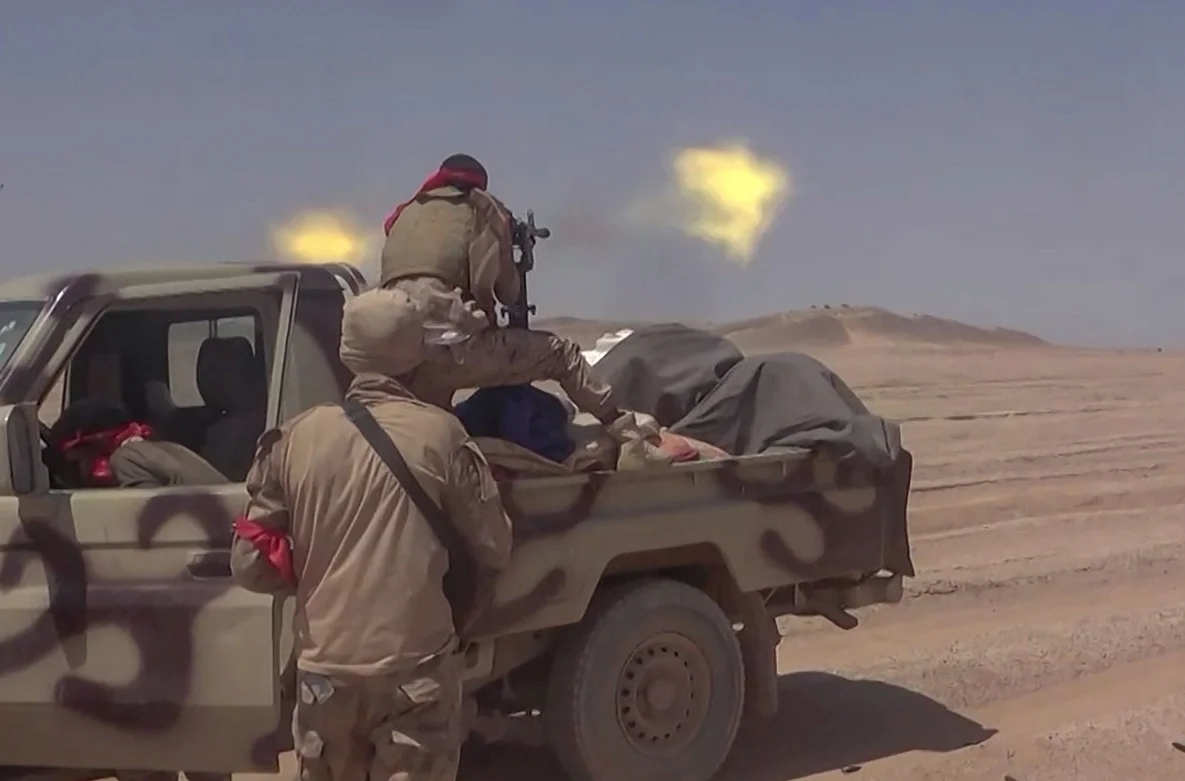
Pakistan’s military claimed to have hit 22 locations, including ammunition depots and military installations in Kabul, Kandahar, and Paktia. According to Pakistani military reports, the operation killed 274 militants and officials, while 12 Pakistani soldiers were lost in the exchanges. The Pakistani Defense Minister, Khawaja Asif, declared that the country was in an ‘open war’ with Afghanistan, a stark departure from previous diplomatic efforts.
Paktia: A Strategic Flashpoint
Paktia Province, with its rugged mountains and strategic border locations, has long been a focal point of cross-border tensions. The province is home to several key military installations, making it a prime target for both Pakistan and Afghanistan in their respective operations. According to reports, Pakistani airstrikes targeted military camps near Faizabad in Islamabad, a military headquarters in Nowshera, and the military township of Jamrud—though Paktia was specifically highlighted as a major target.
Afghanistan’s Taliban government, however, offered a different account. Their spokesperson, Zabihullah Mujahid, claimed that Afghan forces had successfully repelled border incursions and that the Pakistani strikes targeted civilian infrastructure, resulting in numerous non-combatant deaths. The Taliban also asserted that they had killed 55 Pakistani soldiers and captured several frontier posts. These conflicting narratives have only deepened the mistrust between the two nations.
A War of Words and Drones
The conflict has not only been fought on the ground but also in the skies. Pakistan has banned all commercial and privately operated drones nationwide, citing security concerns. This decision came after tensions escalated due to border clashes and accusations of drone attacks from Afghanistan. Pakistan’s Information Minister, Attaullah Tarar, claimed that Afghanistan had carried out drone attacks on Abbottabad, Swabi, and Nowshera, which were intercepted by anti-drone systems without causing casualties.
Meanwhile, Afghanistan’s Ministry of Defence announced that the country’s air force had carried out strikes on several military targets inside Pakistan, including a military camp near Faizabad and military headquarters in Nowshera. These strikes were described as a direct response to the February 6 bombing in Islamabad, which Pakistan attributes to the TTP.
The Human Cost
While the exact casualty figures remain contested, the human cost of the conflict is undeniable. Pakistani military reports claim that 274 Taliban fighters and 12 soldiers were killed in the airstrikes. Meanwhile, the Taliban asserts that 55 Pakistani soldiers were killed and that several border posts were captured. Civilian casualties are not officially reported, but both sides have accused the other of targeting non-combatants, raising serious concerns about the humanitarian impact of the conflict.
International Reactions and the Role of Trump
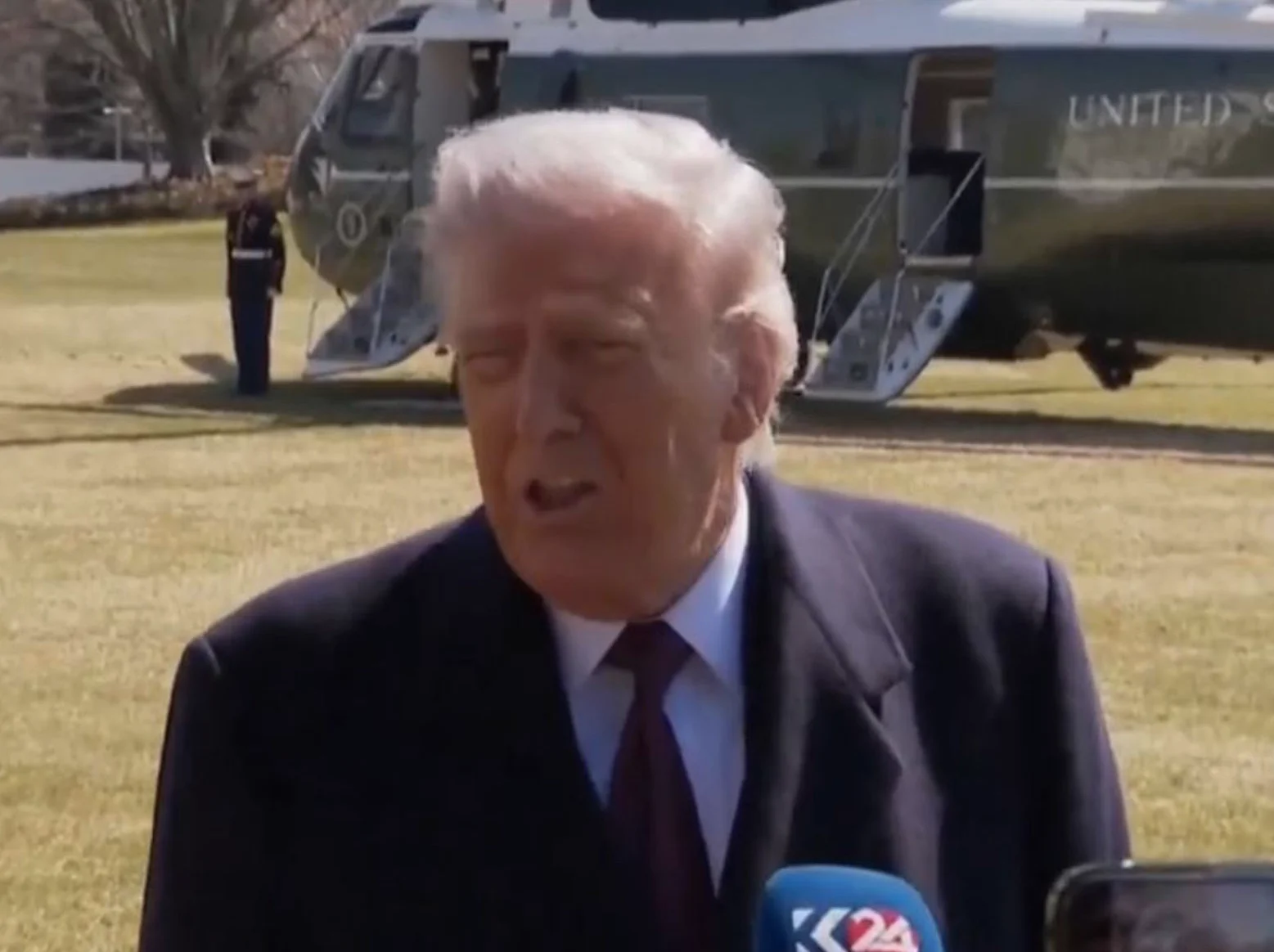
As the situation escalated, international actors have weighed in. United Nations Secretary-General Antonio Guterres called for an immediate ceasefire, expressing deep concern over the rising violence. However, U.S. President Donald Trump offered a different perspective. In a press briefing, Trump praised Pakistan’s actions, stating that the country was ‘doing terrifically well’ and expressing admiration for its leadership. He also suggested that he would consider intervening if requested, though he emphasized his positive relationship with Pakistan and its leaders.
Trump’s comments have been met with mixed reactions. While some see them as an endorsement of Pakistan’s military actions, others question the wisdom of further escalation. The U.S. has long been a key player in the region, and Trump’s alignment with Pakistan raises questions about the broader implications of the conflict.
Historical Parallels and Regional Stability
The current conflict between Pakistan and Afghanistan echoes historical tensions in the region. The Durand Line, the 2,611-km border between the two countries, has been a source of contention for decades. Afghanistan has never formally recognized the line, and this dispute has fueled periodic clashes. The recent escalation, however, marks a significant departure from previous conflicts, which were often limited to border skirmishes rather than full-scale war.
Experts warn that the situation could have far-reaching consequences. Dr. Farooq Tariq, a political scientist specializing in South Asian affairs, notes that the current conflict could lead to a regional arms race and further destabilize the region. ‘This is not just a bilateral issue,’ he says. ‘It has the potential to draw in other regional players, including Iran and India, and could lead to a broader conflict in the region.’
The Road Ahead
As the conflict continues, the question of what comes next looms large. Both Pakistan and Afghanistan have expressed a preference for dialogue, but the rhetoric from both sides suggests that this may be a temporary pause rather than a permanent resolution. The Taliban has warned that further aggression will be met with a ‘stronger and more decisive response,’ while Pakistan has shown no signs of backing down.
The international community, including the United Nations and the United States, has called for de-escalation, but the effectiveness of these appeals remains uncertain. With Paktia Province at the center of the conflict, the region’s stability hangs in the balance. As the skies over Paktia continue to be lit by the glow of warplanes, the world watches closely, hoping for a resolution that will prevent the region from descending into chaos.




Comments
No comments yet
Be the first to share your thoughts