

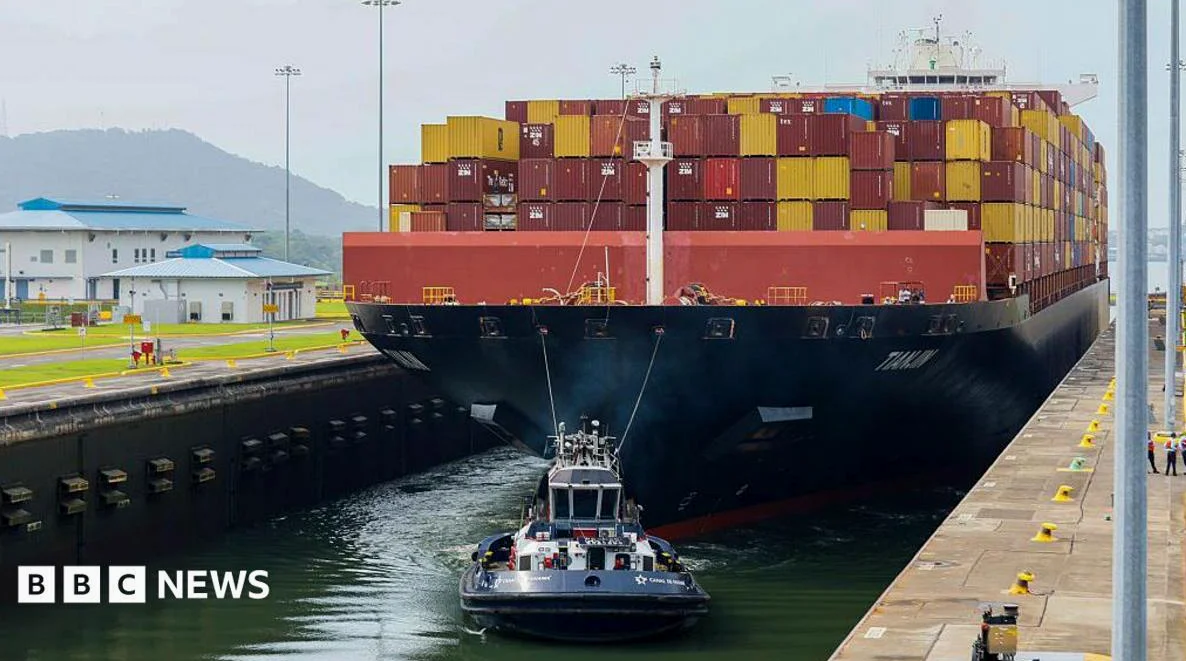
The Panama Canal announced a gradual reduction in the maximum draft allowed for ships transiting through the Neopanamax locks as a preventive measure to ensure water supply and operational continuity amid the El Niño weather phenomenon. According to the Panama Canal Authority, the maximum draft will be reduced to 48 feet (14.63 meters) starting August 26 and will further decrease to 47.5 feet (14.48 meters) on September 3.
El Niño and Water Management
The decision comes as a response to current and projected water levels in the Gatún Lake, a key freshwater reservoir vital for the operation of the canal and the water supply for a significant portion of Panama’s population. The administration of the interoceanic route explained that this strategy is part of the water management plan implemented since December 2025 to address the 2026 dry season and preserve water resources.
This marks the fourth and fifth draft adjustments since 2025, following similar measures imposed between 2023 and 2024 due to a prolonged drought, the changes do not affect the number of scheduled daily transits, the authority added.
Increased Auction Bids and Congestion
Amid these restrictions, shipowners are paying high prices to bypass the growing congestion at the Panama Canal. A recent $4 million auction bid allowed the container ship Seaspan Benefactor to jump the queue and transit on Monday, more than double the average bid of the previous seven days. As of Tuesday, the vessel was positioned on the Pacific side of the canal, according to shipping data from Bloomberg.
The Panama Canal Authority acknowledged that auction prices have risen due to shifts in global trade supply and demand, with some bids exceeding $1 million — the authority did not comment on the latest $4 million transaction or the ship’s owner.
Maintenance and Weather Impact
Compounding the congestion is ongoing maintenance work at the locks, which is expected to continue until September; this maintenance affects the locks that handle Neopanamax-size vessels and adds to the delays. The canal has also announced a reduction in the maximum draft in the coming weeks due to lower-than-expected rainfall caused by El Niño.
Neopanamax-size vessels, including those carrying liquefied petroleum gas, liquefied natural gas, crude oil, and refined products, are currently facing a 10-day wait in line for Pacific-to-Atlantic transit,the longest since May, according to Argus Media. This increase in wait times is partly due to the ongoing geopolitical tensions affecting Persian Gulf transit points such as the Strait of Hormuz and the Bab el-Mandeb, which have led to rerouting of cargo and additional pressure on the Panama Canal.




Comments
No comments yet
Be the first to share your thoughts