

 BBC
BBC 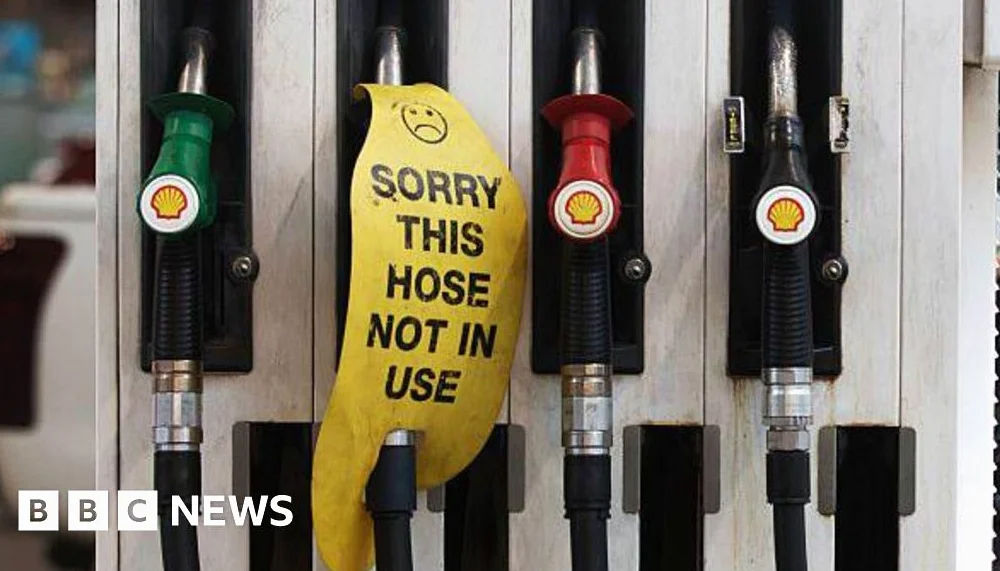
Prime Minister Anthony Albanese has sought to reassure Australians that the country’s fuel supply remains ‘secure’ as prices soar and reports of panic buying and petrol stations running dry emerge, according to the BBC. The government says demand and distribution issues have caused shortages rather than a lack of supply, which remains at the same level as before the war began in Iran.
Escalating Fuel Prices and Panic Buying
In Cairns. Queensland, the BBC found a small independent garage that tells a pretty typical story in Australia, but it has run out of unleaded petrol, and the price of diesel is 85% higher than it was before the war in Iran started. In New South Wales. Australia’s most populous state. One in seven retailers say they are out of at least one type of fuel.
The average retail price of petrol reached 238 Australian cents ($1.64; £1.23) a litre as of Sunday compared to 171 cents four weeks earlier, according to the Australian Institute of Petroleum. The price of diesel in Sydney has meanwhile risen to 314.5 cents a litre as of Thursday, according to the National Roads and Motorists’ Association (NRMA), its highest ever price.
Across the country. Hundreds of petrol stations have reported running out of at least one type of fuel this week. NRMA spokesperson Peter Khoury told the BBC that shortages are due to people changing their buying habits. ‘People are filling up jerry cans of fuel and storing it in their garages,’ he said. ‘We’re hearing increasingly of transport companies telling their drivers that if you’re half full and you see diesel, buy it.’
Supply Chain Challenges and Independent Stations
Independent petrol stations are struggling to get fuel because they do not buy on long-term contracts, which are prioritised by the oil companies, Khoury added. This has created a ripple effect across the sector, with smaller retailers unable to secure the fuel needed to keep their pumps operational.
Albanese is expected to hold an emergency national cabinet meeting on Monday to work out a response to manage the fuel crisis. The government has ruled out any form of rationing but has taken steps to alleviate shortages by releasing oil from the national stockpile and lowering fuel standards.
The government’s efforts come amid a global energy crisis triggered by the Iran war and the closure of the Strait of Hormuz, which caused the price of oil to jump sharply. The situation has been further complicated by a cyclone in western Australia that triggered outages at two of the world’s largest LNG plants, Gorgon and Wheatstone, according to Chevron.
Impact on Transport and Businesses
There have been reports of truck drivers and other motorists stranded, while businesses say rising costs are affecting their viability. The government says the supply of petrol, diesel, and oil will remain the same, if not higher, than it normally would be for the next few weeks, according to Energy Minister Chris Bowen.
‘The longer this war goes on, the greater the impact will be,’ Albanese said. ‘But we continue to act to prepare and shield Australians from the worst of it.’ The prime minister’s comments came after the government faced mounting pressure from the public and business leaders concerned about the economic fallout of the energy crisis.
Transport companies have been particularly affected, with many reporting delays and increased costs due to fuel shortages. The situation has forced some firms to rethink their logistics strategies and explore alternative fuel sources or routes.
The government’s response has been to focus on stabilising the supply chain and ensuring that fuel continues to flow to the most critical sectors of the economy. However, the long-term impact of the crisis remains uncertain, with analysts warning that the situation could worsen if the conflict in the Middle East continues to escalate.
Albanese’s reassurances come at a time of heightened anxiety among Australians, with many fearing that the fuel crisis could have far-reaching consequences for the economy and daily life. The government’s ability to manage the situation will be closely watched in the coming weeks as the crisis continues to unfold.






Comments
No comments yet
Be the first to share your thoughts