

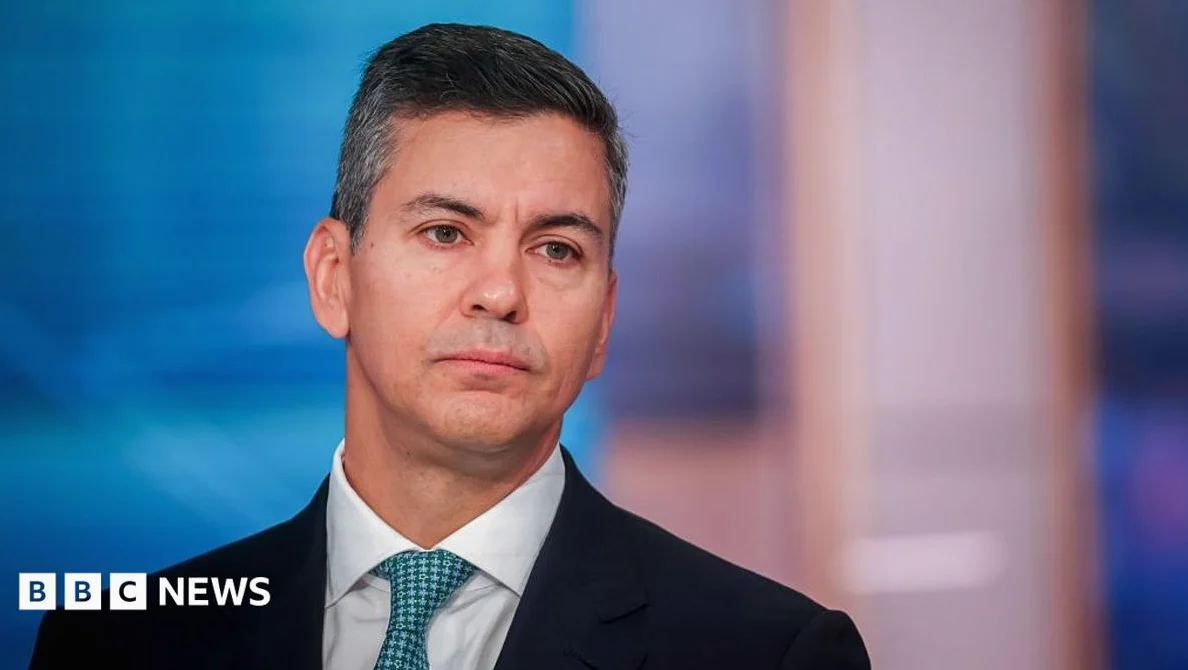
Ueno Bank, a digital bank belonging to the Grupo Vazquez, was placed under state control on November 3 after the Central Bank (BCP) determined it had breached solvency requirements. The bank had 2.9 million customers, about 60% of the country’s adult population, who suddenly lost access to their accounts. Political analyst Hugo Duarte said that because Ueno had the blessing of the presidency, most of the pension funds close to the government deposited money there.
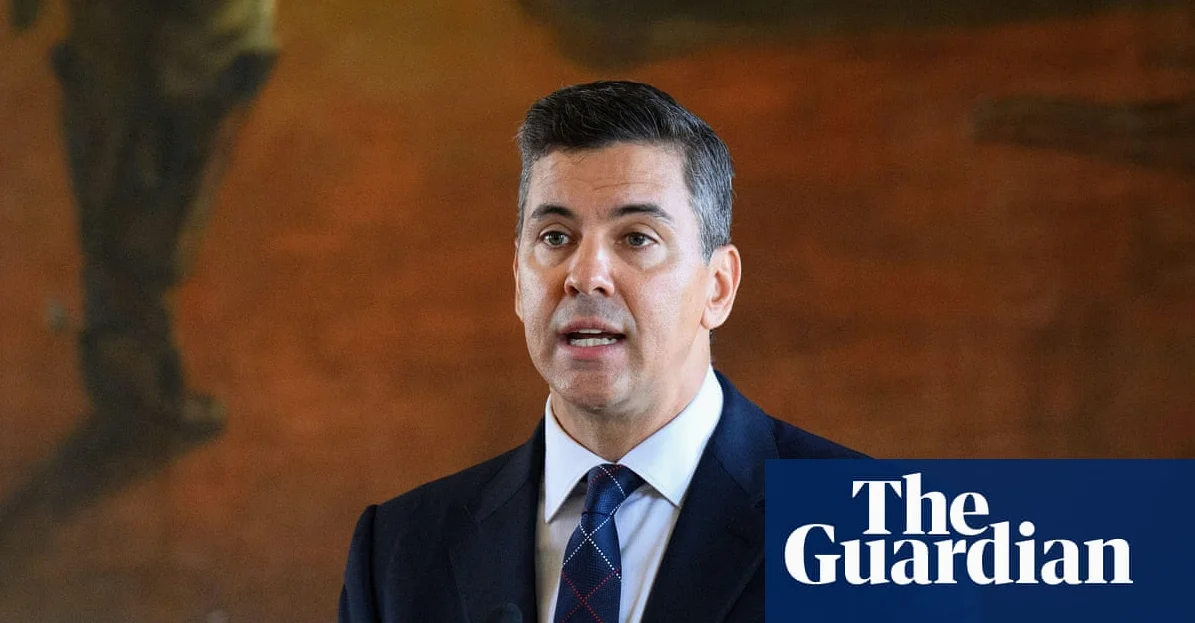
Peña had business ties with Grupo Vazquez until March 2025 and held shares in a company that became Ueno Holding in 2022. He sold the shares in April 2025 and claimed to have bought them as an “investor.” He also appointed Carlos Carvallo Spalding, a former Ueno executive, as head of the Central Bank in 2023. Carvallo is now under investigation for potential conflicts of interest.
The public prosecutor’s office has charged 27 individuals, including eight Ueno executives and 19 others, with suspected breach of trust, attempted fraud, and violations of legal obligations. Peña is being investigated for illicit enrichment, money laundering, and influence peddling.
Protests erupted nationwide, with demonstrators in Asunción holding up a football shirt with the Ueno logo crossed out and burning an image of Peña. Violence broke out as police used tear gas and water cannons to disperse crowds.
Peña’s vice president, Pedro Alliana, was sworn in as interim president and promised to address the crisis, saying affected citizens would be “fully compensated.” Peña posted on social media: “I say goodbye with gratitude, while fully recognising the anguish of those who are now waiting for answers.”
Senator Rafael Filizzola called the scandal the “biggest fraud carried out from political power in the democratic era.” Peña’s lawyer, Ricardo Preda, called the allegations “irresponsible and opportunistic.” Peña is expected to be questioned over charges of breach of trust and misappropriation of funds.

Comments
No comments yet
Be the first to share your thoughts