

LONDON — An extensive review of systematic studies concludes that pediatric Tuina offers clear benefits for several common childhood ailments. Researchers sifted through databases including Medline, Cochrane Library and China National Knowledge Infrastructure up to September 2023. They zeroed in on 16 high-quality systematic reviews with meta-analyses — seven in English, nine in Chinese — covering 27 distinct outcomes.
Two independent reviewers assessed the work. They applied the AMSTER-2 tool for methodological quality and the GRADE approach for evidence strength. Eleven reviews, or 69%, rated high or moderate quality under AMSTER-2. For outcomes, 12 of 27 — 44% — hit high or moderate marks on GRADE, with two deemed high quality and 10 moderate.
Pooled data from the meta-analyses painted a positive picture. Pediatric Tuina outperformed routine care or standard interventions on key measures like effective rates, cure rates and symptom-specific tools. Neonatal jaundice saw marked improvement. Diarrhea and constipation responded well in infants and young children. Anorexia symptoms eased. Asthma attacks lessened in frequency and severity. Even cerebral palsy symptoms showed gains, particularly in motor function.
“Pooled meta-analysis revealed that pediatric Tuina performed better for improving neonatal jaundice, diarrhea, constipation, anorexia, asthma, and cerebral palsy symptoms compared to routine care or conventional interventions,” the report states.
Not all results shone equally bright. The evidence base remains patchy. High-quality ratings applied to just a fraction of studies and outcomes. Most landed in moderate or lower tiers. Researchers called for better reporting of adverse events, which appeared sparse across the board.
The review included only randomized clinical trials pitting pediatric Tuina against standard care, waitlist controls, placebos or Tuina combined with routine treatments. Outcomes spanned physical issues like jaundice and asthma, psychological factors, developmental milestones and safety profiles in infants and children.
Databases searched ran deep: Excerpta Medica, Health Technology Assessment, Database of Abstracts of Reviews of Effects, Allied and Complementary Medicine, Wanfang Data, China Biology Medicine Disc and Chongqing VIP. No corners cut on the hunt for evidence.
Gaps loom large. High-quality clinical trials lag for conditions like myopia, enuresis, congenital muscular torticollis and respiratory tract infections. “High-quality studies, especially clinical trials on pediatric Tuina for myopia, enuresis, congenital muscular torticollis, and respiratory tract infections, are required,” the authors wrote.
Pediatric Tuina traces roots to traditional Chinese medicine. Practitioners use gentle, targeted massage on infants and children to address digestive woes, respiratory troubles and more. Western interest grows amid pushes for non-drug options. This overview bolsters claims of efficacy but urges caution until more strong trials fill the voids.
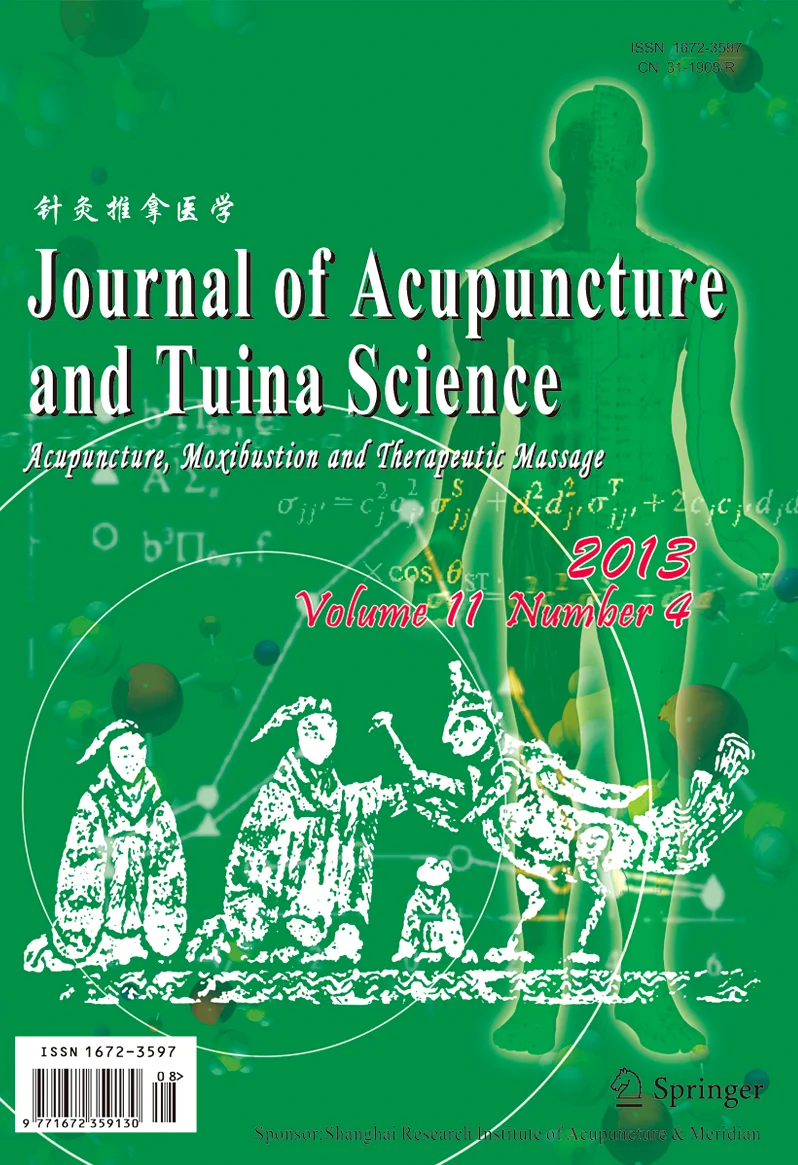
Health experts watching complementary therapies may take note. Parents seeking alternatives to pills and procedures could find reassurance here — though always under medical guidance. The full report appears in the Journal of Acupuncture and Tuina Science.






Comments
No comments yet
Be the first to share your thoughts