

 Al Jazeera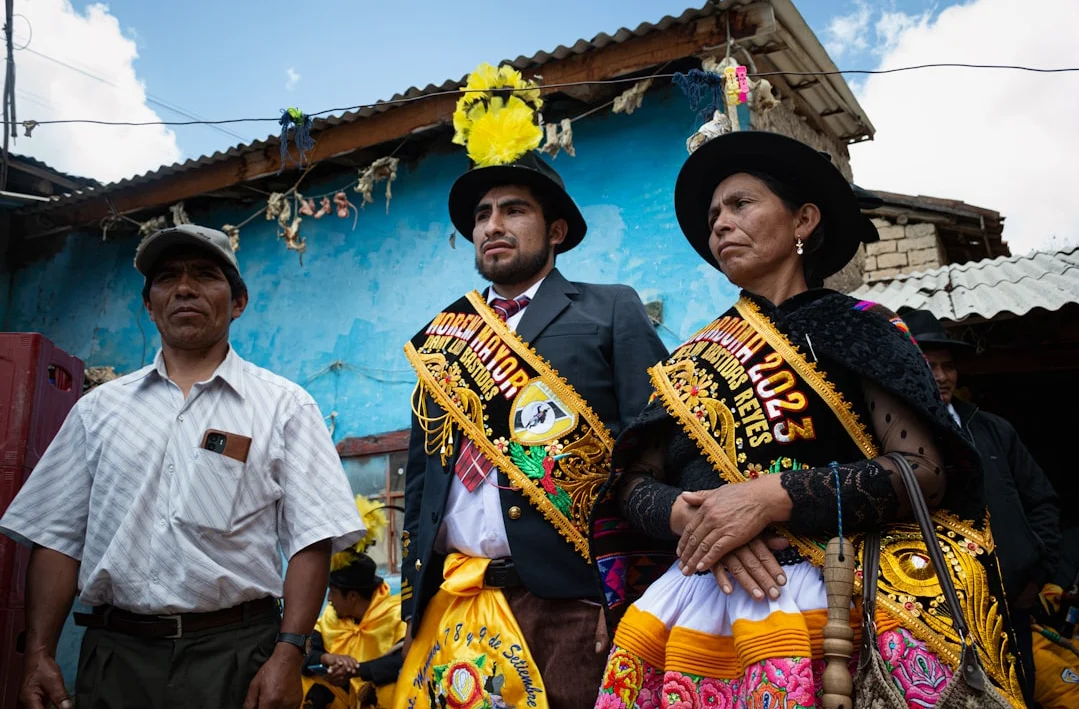
Peru has opened polls for its presidential and legislative elections, with no clear frontrunner amid years of political instability, according to Al Jazeera, but Since 2018, Peru has seen eight presidents, with a high turnover rate marred by impeachments and corruption scandals, leading to voter disillusionment with weak governments.
Political Instability and Voter Disillusionment
Some 27 million Peruvians are eligible to vote on Sunday to pick the country’s ninth leader in a decade, with polling stations across the country opening at 7am (12:00 GMT) and closing at 5pm (22:00 GMT), with preliminary results expected shortly afterwards. With 35 candidates on the presidential ballot, Peruvians will choose from a wide range of potential leaders, including a comedian, a media baron, a political dynasty heiress, and a hard-line ex-mayor who likens himself to a cartoon pig.
However, all major candidates continue to poll well below the 50 percent needed to win the election, making a June 7 run-off appear likely. A fruit seller in Lima told the Reuters news agency that she was still undecided on who to vote for. “Peru is a mess, and there’s no candidate worth voting for,” Gloria Padilla said.
Public Sentiment and Candidate Criticisms
Clothing merchant Maria Fernandez, 56, also shared the same sentiment. “I wouldn’t vote for anyone. I’m so disappointed with everyone in power,” Fernandez told the AFP news agency. “We’ve been governed by nothing but corrupt, thieving scoundrels,” she added.
The most well-known candidate is conservative Keiko Fujimori, who will make her fourth presidential bid after reaching the run-off in all three previous races. While Fujimori has taken a position of guarantor of order and economic stability, her candidacy remains polarising due to her family legacy. Her father, former President Alberto Fujimori, was convicted of human rights abuses and corruption before he died in 2024.
On the eve of the election, Fujimori told the AFP news agency that she would “restore order” in her first 100 days if she were to win, sending the army into jails, deporting illegal migrants and strengthening security at the border. At the other end of the political spectrum, Ricardo Belmont – a former mayor of the capital, Lima, running for the centre-left Civic Party Obras – was polling in second place.
Contenders and Campaign Promises
Popular comedian Carlos Alvarez follows behind Belmont in pre-election polls and has campaigned on a platform of being tough on crime, as Peru’s homicide rate has more than doubled in the past decade. The election is seen as a reflection of the country’s deepening political crisis, with voters looking for a leader who can bring stability and end the cycle of corruption and instability that has plagued the nation in recent years.
With multiple candidates running, the election is likely to be closely contested, and the outcome could have significant implications for Peru’s political future. The high number of candidates and the lack of a clear frontrunner indicate that the election may be decided in a run-off, adding to the uncertainty and complexity of the process.
As polling continues, the focus will be on whether any candidate can emerge with enough support to avoid a run-off. The results of the election will be serious in determining the direction of Peru’s governance and its ability to address the challenges facing the country, including economic issues, crime, and political instability.



Comments
No comments yet
Be the first to share your thoughts