

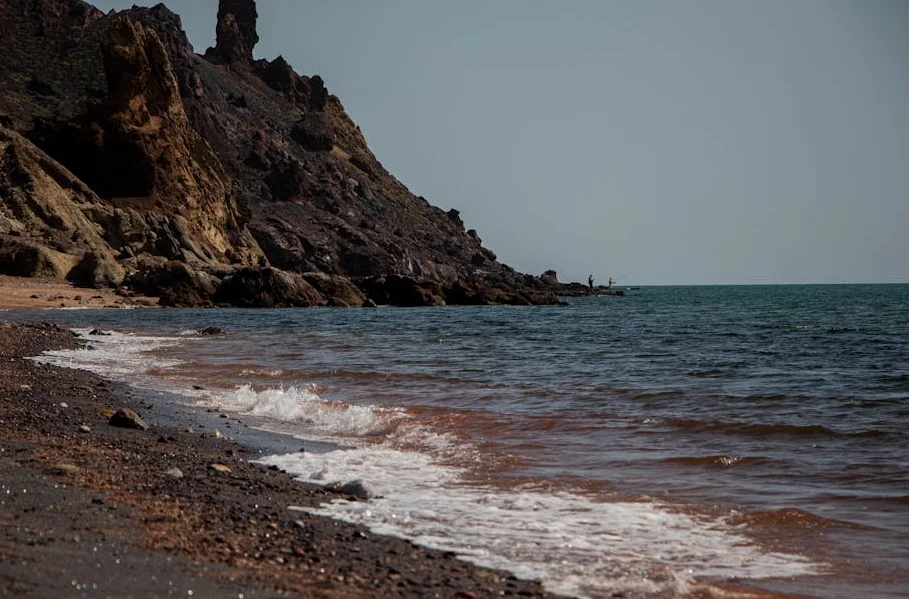
On April 13, 2026, U.S. President Donald Trump announced via Truth Social that the U.S, and Navy would begin a blockade of all vessels in the Strait of Hormuz immediately after the collapse of U.S.-Iran peace talks. According to JoongAng Ilbo. Trump stated that the U.S; Navy would also search for and intercept all vessels that have paid passage fees to Iran in international waters; he emphasized that those who pay illegal passage fees cannot expect safe navigation in international waters.
Escalation in Regional Tensions
The announcement comes amid rising tensions in the region following the breakdown of negotiations aimed at reducing hostilities between the U.S. and Iran. According to JoongAng Ilbo. Trump’s statement indicates a hardline approach to U.S. foreign policy, signaling a potential shift in strategy toward more aggressive measures in the Gulf region.
Trump’s directive includes the immediate implementation of a blockade on all shipping traffic in the Strait of Hormuz, a critical global oil transit route. The move raises concerns about potential disruptions to global oil supplies, given that approximately 20% of the world’s seaborne oil trade passes through the strait annually.
Domestic and Regional Reactions
The announcement has drawn mixed reactions from regional actors and international observers. While some U.S. officials have expressed support for the move, others have warned of the potential for unintended escalation with Iran. According to JoongAng Ilbo, there are concerns that such actions could provoke retaliatory measures from Iran, increasing the risk of conflict in the region.
Separately, former South Korean Prosecutor General Lee Won-kyu released a statement criticizing the ongoing judicial investigation into alleged fabricated charges against him. He stated that the National Assembly’s inquiry into the matter is undermining the rule of law and judicial independence by effectively allowing the legislative branch to assume the role of the judiciary, according to JoongAng Ilbo.
Economic and Social Context
In South Korea, the announcement of a potential U.S. naval blockade in the Strait of Hormuz has been overshadowed by domestic issues. The South Korean government has announced a plan to provide additional financial support to households affected by rising fuel prices. However, the Jeonnam Provincial Government has announced a separate initiative to provide an additional 50,000 won to eligible households, which has drawn criticism as potentially politically motivated, according to JoongAng Ilbo.
Meanwhile, in Canada, reports indicate that Dr. Kim Garbedian, a reproductive endocrinologist in Toronto, has been seeing an increase in younger patients seeking reproductive health consultations. This trend suggests a growing awareness among younger couples about the importance of reproductive health planning, according to CTV News.
As the U.S. continues to assert its influence in the Gulf, the potential for conflict with Iran remains a significant concern for global markets and regional stability. The situation highlights the complex interplay between geopolitical strategy, economic interests, and domestic policy in shaping international relations.





Comments
No comments yet
Be the first to share your thoughts