

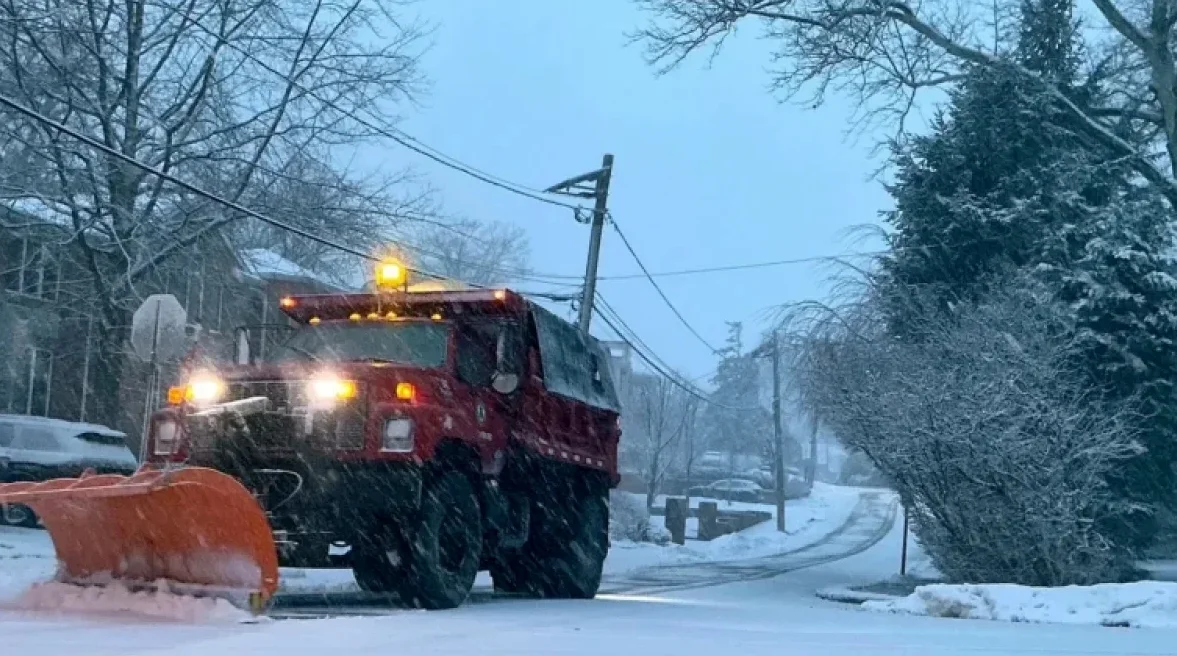
Philadelphia is bracing for a historic blizzard that could deliver up to 24 inches of snow by Tuesday, prompting widespread disruptions to transportation networks and testing the city’s emergency response systems. Officials have already begun implementing emergency protocols, including a commercial vehicle ban and speed limits on major interstates, as they prepare for the storm’s full impact.
Amtrak and NJ Transit Adjust Services Amid Worsening Conditions
Amtrak has announced that it will notify passengers of schedule changes or cancellations by Monday, allowing them to rebook or request refunds without penalties. This move reflects a growing emphasis on customer flexibility in the face of extreme weather events. Meanwhile, NJ Transit has suspended bus, light rail, and Access Link services across the state, citing safety concerns and operational constraints.
New Jersey Department of Transportation (NJDOT) officials have imposed a 35 mph speed limit on several interstates and banned commercial vehicles from traveling on state roads. These measures aim to ensure that emergency vehicles and essential services can handle the roads safely, even as snow accumulation continues to rise.
Urban Transit Systems Face Growing Challenges from Climate-Driven Weather
The storm has exposed the vulnerabilities of urban transit systems across the United States, particularly in regions unaccustomed to severe winter weather. In cities like Philadelphia, where snowfall is not as frequent or intense as in other parts of the country, the strain on infrastructure is becoming more pronounced. Officials are now reevaluating long-term strategies to improve resilience against climate-related disruptions.
Transportation officials in Philadelphia and New Jersey are also looking to other urban centers, such as London and Sydney, where similar storms have tested transit systems in the past. In those cities, the focus has been on upgrading snow removal equipment and emergency response capabilities to ensure that critical infrastructure remains functional during extreme weather events.
According to the National Weather Service, the storm is expected to bring heavy snowfall, freezing rain, and gusty winds to the region, with the potential for up to 24 inches of snow in parts of Philadelphia. This level of accumulation is rare in the city and could lead to extended power outages and transportation disruptions.
City Officials Prepare for Long-Term Infrastructure Changes
Philadelphia Mayor Kenney has called for a citywide review of snow management policies, emphasizing the need for more strong infrastructure and emergency preparedness measures. The city is also considering investments in advanced snow removal equipment and improved communication systems to better coordinate with local and state agencies during future storms.
Transportation experts warn that the increasing frequency of extreme weather events, driven by climate change, will require cities to rethink their approach to urban planning and infrastructure development. In the coming weeks, officials across the region are expected to hold public forums to discuss potential changes to snow removal policies and emergency response protocols.
The storm has also prompted a reevaluation of funding priorities for public transportation agencies, with some lawmakers suggesting that increased investment in snow removal and emergency preparedness could help mitigate the economic and social impacts of severe weather events.
As the blizzard continues to unfold, the city’s ability to manage the crisis will serve as a test of its preparedness for future extreme weather events. The lessons learned from this storm may shape the future of urban planning and emergency response strategies across the country.






Comments
No comments yet
Be the first to share your thoughts