

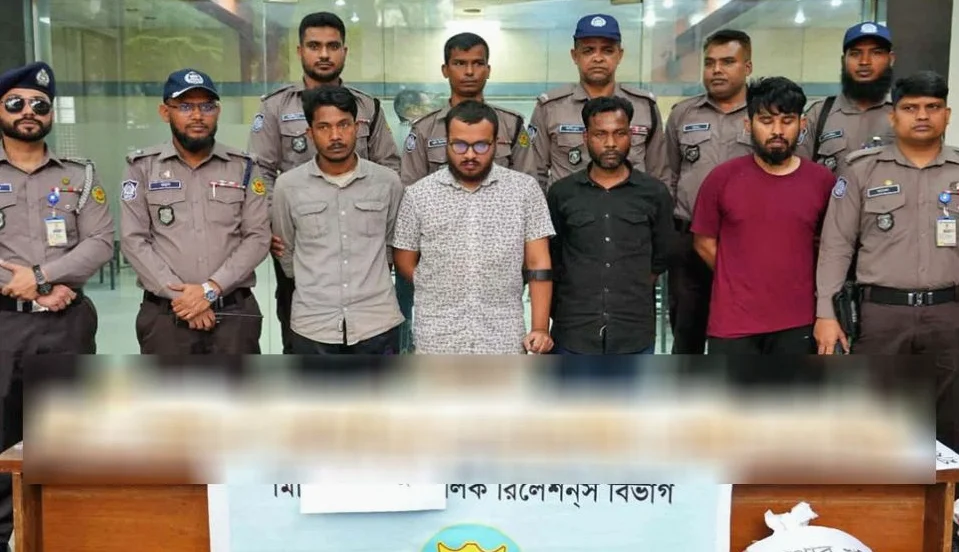
Bangladesh police have detained four individuals and seized 47 human skulls and bones linked to a suspected human skeleton trafficking ring in the capital, Dhaka. The arrests were made during raids in three areas of the city on Monday night, according to Mohammad Ibn Mizan, deputy commissioner at Tejgaon Division of Dhaka Metropolitan Police.
Human Bones Seized from College Area
The raids took place in Manipuripara in Tejgaon, the Tejgaon College area, and the Uttara Pashim Police Station area. The detainees—Kazi Jahirul Islam alias Soumik, 25, Md Faisal Ahammed, 26, Asadul Munshi alias Jashim alias Ershad, 32, and Md Abul Kalam, 39—are members of a seven-person group accused of collecting human skeletons from unmarked and poorly monitored graves across the city.
According to Mizan, the group sells the skeletons for between 15,000 and 20,000 Bangladeshi taka (approximately $170 to $227) to medical students. The four suspects are also part of an online network of illegal skeleton traders with 700 active members and 20,000 general members.
Operational Details and Confessions
Police acted on a tip-off and detained Kazi Jahirul Islam near Gate No. 1 at Manipuripara, where one skeleton was found. Based on his information, officers arrested Asadul Munshi and Md Abul Kalam near Tejgaon College and recovered two more skeletons. Md Abul Kalam, previously implicated in 21 cases of illegal skeleton trade and drug trafficking, and Ershad, accused in two cases, were brought to the Tejgaon Police Station for interrogation.
During initial questioning, the three suspects confessed that their ring leader is an intern doctor residing at the hostel of Sapporo Dental College and Hospital in Uttara Sector 9. Police then raided the hostel room of the fourth detainee, Md Faisal Ahammed, and recovered an additional 44 skeletons.
Implications for Medical Education
The arrests highlight a growing concern about the black market for human remains in Bangladesh. Medical students, often in need of cadavers for study, may be turning to illegal sources when legal avenues are limited. The practice of sourcing human remains from unmarked graves raises ethical and legal questions about the treatment of the deceased and the integrity of medical education.
Authorities have previously raised concerns about the trade in human remains, particularly in areas where unregulated cemeteries and unmarked graves are common. This case marks one of the largest seizures of human remains in recent years, according to police.
Similar operations have been conducted in the past, including a 2019 raid in Dhaka that led to the arrest of 12 individuals and the seizure of 30 human skulls and bones. However, this case is notable for the high number of remains recovered and the involvement of medical students.
Police have not yet identified the ring leader, but the investigation is ongoing. Officials have stated that the suspects will face legal action under Bangladesh’s laws against illegal body trafficking and drug-related offenses.
What’s Next for the Suspects
The suspects are currently in police custody and are expected to face charges related to illegal possession and trafficking of human remains. The case will be forwarded to the public prosecutor for further legal proceedings. The police have also begun an investigation into the online network of illegal traders, which could lead to more arrests in the coming weeks.
Local officials have called for stricter regulations on medical institutions and cemetery management to prevent such trafficking. They also urged the public to report any suspicious activity related to the sale or possession of human remains.
Mizan said the police are working with the Ministry of Health and the Department of Forensic Medicine to ensure that legal channels for acquiring cadavers for study are properly maintained and enforced.






Comments
No comments yet
Be the first to share your thoughts