

 BBC
BBC 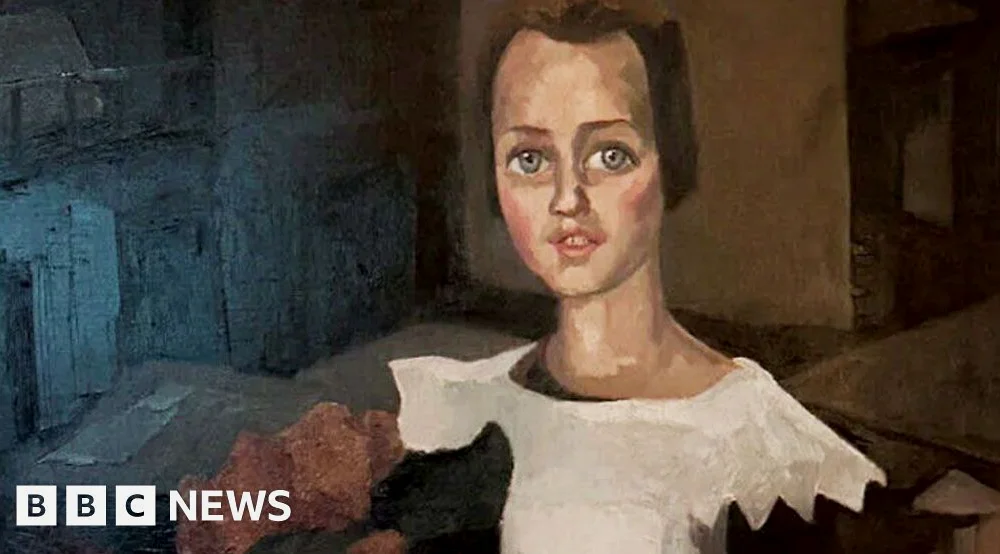
A painting looted by the Nazis during World War Two has been found in the home of descendants of a Dutch SS collaborator, according to art detective Arthur Brand. The portrait. Titled “Portrait of a Young Girl” by Dutch artist Toon Kelder, was stolen from Jewish art dealer Jacques Goudstikker, who died while fleeing the Nazi invasion of the Netherlands in 1940.
Artwork Traced to Nazi Collaborator’s Family
Brand stated the painting had been kept in the home of Hendrik Seyffardt’s family for decades — Seyffardt was a Dutch general who commanded a Waffen-SS unit on the eastern front before being assassinated by resistance fighters in 1943. The artwork was reportedly purchased during the war and described as “Jewish looted art, stolen from Goudstikker. It is unsellable. Don’t tell anyone” by the family.
The family. Which changed their name after the war, admitted to possessing the painting but denied knowing its true origin, according to a statement to Dutch media — the painting was discovered after a descendant of Seyffardt approached his grandmother to learn more about its history.
Investigation Uncovers Art’s History
Upon learning of the painting’s history, Brand launched his own investigation. He found a label on the back and the number 92 etched into the frame. Brand then searched the archives of a 1940 auction where much of Goudstikker’s looted collection was sold and discovered an item under the number 92 titled “Portrait of a Young Girl” by Toon Kelder.
Brand believes the painting had been plundered by Hermann Goering, one of the most powerful figures in the Nazi Party, when Goudstikker fled for Britain in 1940. It was then sold to Seyffardt at auction before being handed down to his descendant.
After launching his investigation, Brand contacted the lawyers of Goudstikker’s heirs, who confirmed the collector had previously owned six paintings by Toon Kelder. These paintings had been included in the 1940 auction where Brand believes “Portrait of a Young Girl” had been sold.
Broader Implications and Similar Cases
Brand described the discovery as “stunning”, calling it “the most bizarre case of my entire career.” He added that, if the painting were to be put on sale, it could fetch a hefty price, potentially anywhere between thousands and tens of thousands.
However, the sale of looted art is generally illegal in most countries as the works are seen as being sold under duress. Portrait of a Young Girl could potentially be sold due to the statute of limitations on its theft having expired.
Brand also mentioned having recovered Nazi-looted art from World War Two before, including pieces in the Louvre, the Dutch Royal Collection, and numerous museums. He added that discovering a painting from the famous Goudstikker collection in the possession of a notorious Dutch Waffen-SS general’s heirs was a significant find.
“For decades, the family, who of course bear no personal guilt for Seyffardt’s own crimes, had the opportunity to do the right thing and return this painting. They chose not to,” Brand said.
This discovery draws parallels to a previous case where an Italian master painting stolen from the Goudstikker collection by the Nazis appeared on the website of an estate agent selling a house in Argentina. The painting, “Portrait of a Lady” by Giuseppe Ghislandi, was found hanging in a property near Buenos Aires, once owned by a senior Nazi official who moved to South America after the Second World War.
The discovery led to a police raid on the property, but the painting had seemingly been taken down and moved by the time authorities arrived.






Comments
No comments yet
Be the first to share your thoughts