

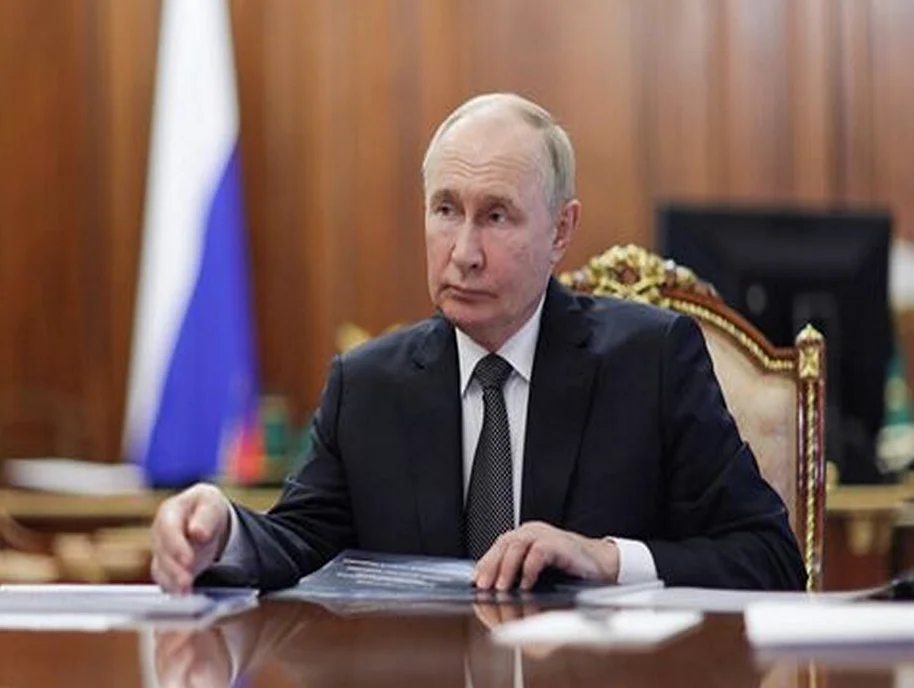
Russian President Vladimir Putin has urged for an immediate de-escalation in West Asia, emphasizing the need for diplomatic solutions amid rising regional tensions. In a recent conversation with Iran’s President Masoud Pezeshkian, Putin reiterated Russia’s commitment to resolving conflicts through dialogue rather than confrontation.
Strategic Diplomacy in a Volatile Region
This call for de-escalation comes as Moscow intensifies its diplomatic efforts in West Asia, a region where Russia has significant geopolitical and economic interests. The Kremlin has been actively engaging with regional players, including Iran, to manage the complex security dynamics in the Gulf.
The conversation between Putin and Pezeshkian marks the second communication between the two leaders within the week. According to Russian officials, these discussions reflect Moscow’s ongoing efforts to stabilize the region through multilateral diplomacy.
Russian Foreign Minister Sergey Lavrov has also reiterated Russia’s willingness to facilitate peace talks, stating that the situation in the region requires a coordinated approach involving all stakeholders. ‘The security dynamics of Iran and its neighbors must be addressed through dialogue and cooperation,’ Lavrov said in a recent press briefing.
Putin and Trump Discuss Regional Stability
In a separate development, Russian President Putin held an hour-long discussion with U.S. President Donald Trump, focusing on regional stability and the broader implications of the ongoing tensions in West Asia. While the specific proposals for resolving the Iran conflict remain undisclosed, both leaders emphasized the importance of a multilateral approach.
The White House has not provided detailed statements on the nature of the discussions, but sources indicate that the two leaders explored potential avenues for de-escalation and cooperation in the region. The meeting underscored the need for continued dialogue between the U.S. and Russia, despite their differing approaches to regional security.
Analysts suggest that these diplomatic moves come at a critical time, as the situation in West Asia continues to evolve rapidly. With multiple actors involved, including Iran, Israel, and regional Gulf states, the risk of further escalation remains a pressing concern.
Implications for Regional Stability
The calls for de-escalation from both Putin and Trump highlight the growing recognition of the need for diplomatic solutions to prevent further conflict in the region. The potential for a coordinated approach between Moscow and Washington could have significant implications for regional stability.
According to recent reports, the number of military exercises and security alerts in the Gulf has increased by over 30% in the past month, signaling heightened tensions. The international community is closely watching the developments, as any misstep could lead to a broader conflict with far-reaching consequences.
Experts warn that while diplomatic efforts are crucial, they must be accompanied by concrete actions to reduce the risk of escalation. ‘Words alone are not enough,’ said a senior analyst at a European think tank. ‘There needs to be a clear plan and commitment from all parties involved.’
With the situation in West Asia remaining volatile, the upcoming months will be critical in determining the trajectory of regional stability. The success of diplomatic initiatives will depend on the willingness of all stakeholders to engage in meaningful dialogue and cooperation.
The international community is now waiting to see if these diplomatic efforts translate into tangible outcomes. As the region continues to grapple with rising tensions, the role of major powers like Russia and the U.S. will be instrumental in shaping the future of West Asia.






Comments
No comments yet
Be the first to share your thoughts