

 BBC
BBC 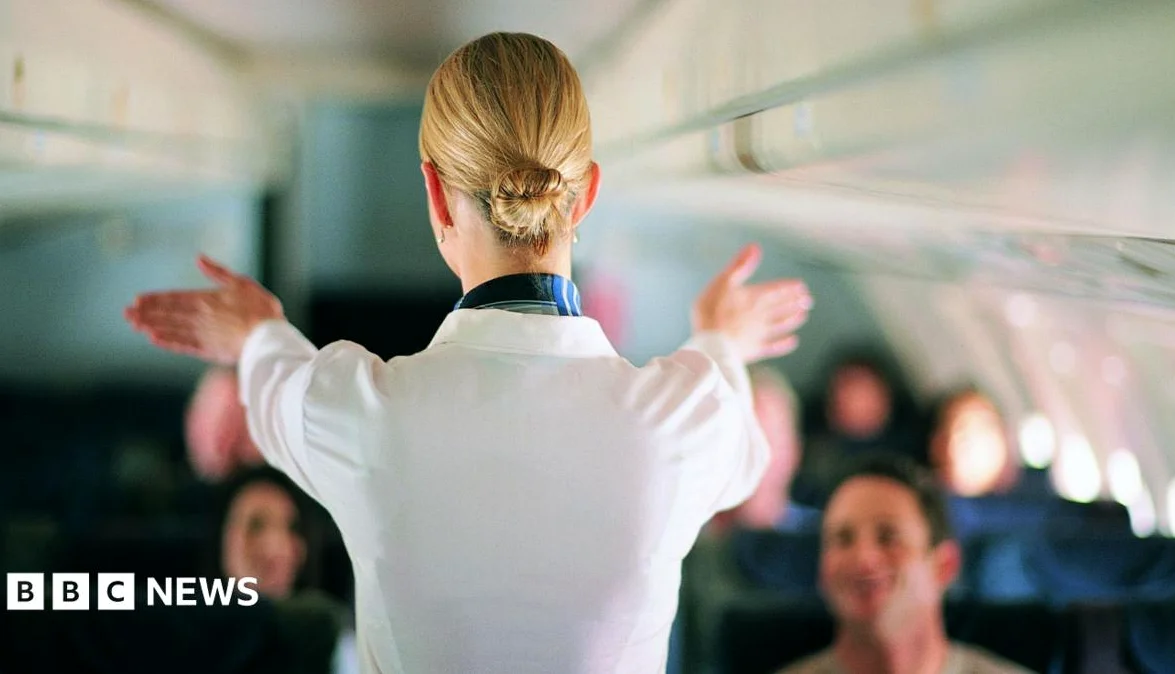
Cosmic Radiation and Occupational Hazards
A French court in Bayonne has ruled that cosmic radiation is a carcinogenic hazard for flight attendants, contributing to breast cancer, the court also cited passive smoking and prolonged night work as additional occupational risks. The ruling allows the affected flight attendant, Christine Lainault, to take early retirement with full reimbursement for further treatment by the French health system.
Historical Exposure and Professional Risks
Lainault worked as a stewardess and later as a purser for Air France from 1989 to 2019, accumulating 12,600 flight hours, more than half of these hours were spent on night flights. Many of her long-distance flights took her near the North Pole, where exposure to cosmic radiation is most intense — Smoking was permitted on Air France flights until 2000, adding to the cumulative occupational risks.
Broader Implications and Scientific Backing
The ruling opens the door for other flight attendants to pursue similar claims, according to lawyers, as Lainault expressed hope that her case would encourage others to take legal action. A recent Harvard Medical School study found that flight attendants and pilots have the highest rate of radiation-related cancer deaths among 500+ professions. Specifically, 6.9% of flight attendant deaths and 6.7% of pilot deaths were attributed to radiation-related cancers, surpassing even nuclear technologists, who rank 12th on the list.
This decision highlights the growing awareness of occupational health risks in aviation, particularly those related to cosmic radiation exposure and irregular working hours. As more flight crews come forward with health concerns, the legal and medical communities may see an increase in similar cases, prompting further research and policy changes to address these hazards.





Comments
No comments yet
Be the first to share your thoughts