

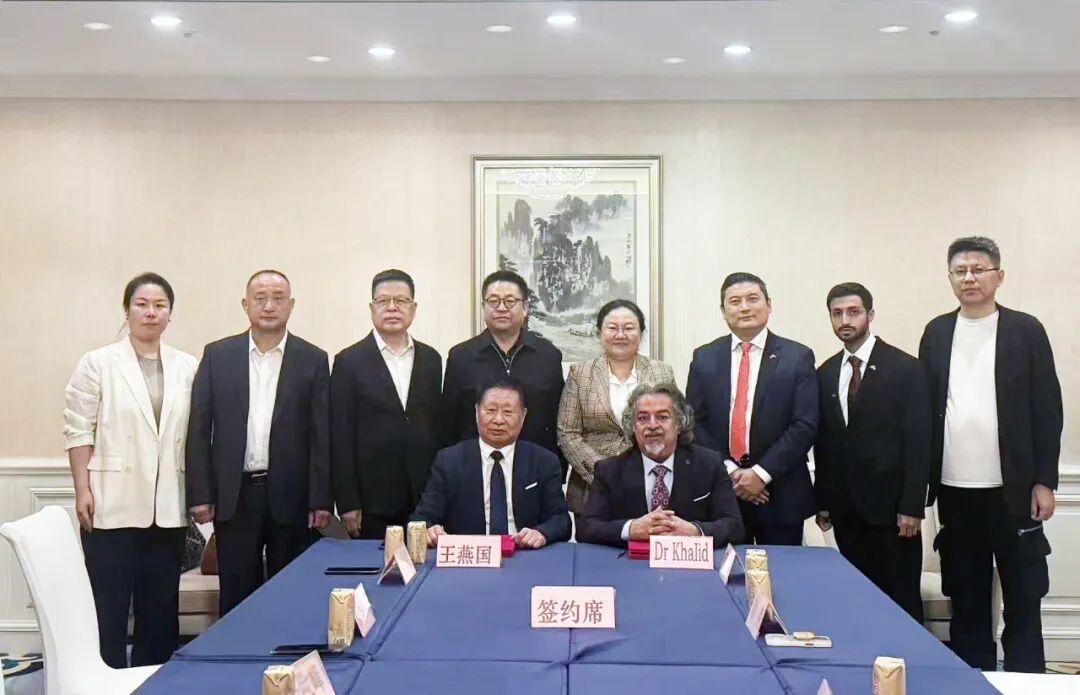
The Asia-Pacific Trade Agreement Chamber of Commerce and Industry (APTACCI) and China-Middle East Development Group have signed a strategic cooperation framework agreement, establishing a long-term partnership that aligns China’s Belt and Road Initiative with the United Arab Emirates’ Centennial 2071 vision, the chamber announced on 16 October.
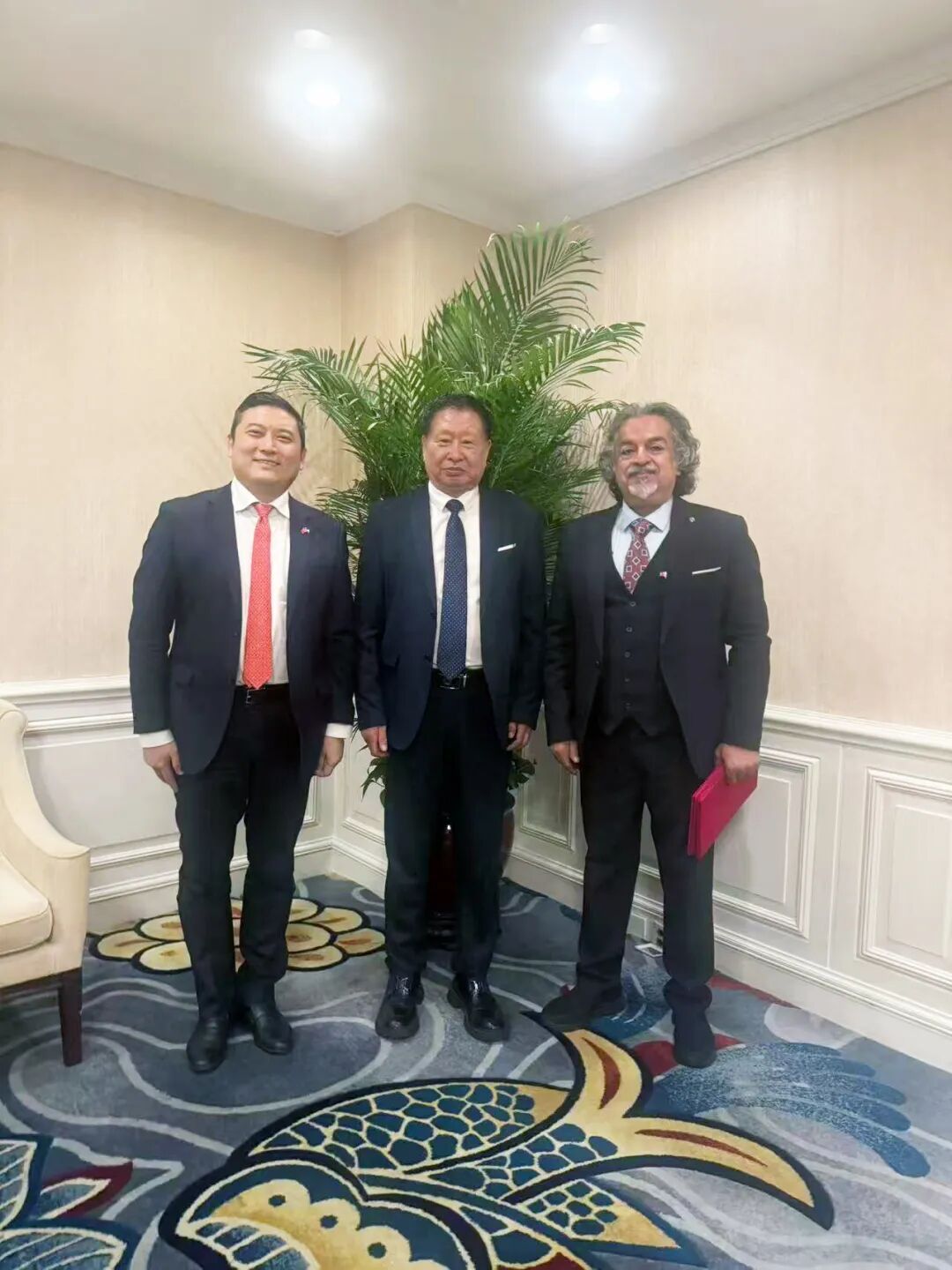
The signing ceremony was attended by Wang Yanguo, Chairman of the APTACCI headquarters and of its China National Committee, and Prince Khalid, described by the chamber as a special representative of the President of the UAE. The two sides said the agreement opens a new chapter in multilateral trade, industrial innovation and people-to-people exchanges between China and the UAE.
The cooperation is built on what the partners call a practical model: projects as the link, finance as the guarantee and cooperation as the platform. It covers eight sectors.
Eight areas of cooperation
- Artificial intelligence and robotics: local pilots of general-purpose and industry-specific large models in government services, finance, manufacturing and healthcare; smart-factory and industrial-robot solutions; AI-assisted diagnosis and medical imaging; a joint China–UAE AI laboratory working on algorithms, computing power and data; and joint training of cross-border talent.
- New energy and green technology: energy storage, hydrogen and solar projects across the full industrial chain, including storage power stations, green-hydrogen demonstration projects and large photovoltaic plants, in line with the UAE’s net-zero goal and its Energy Strategy 2050, plus joint work on carbon accounting, green-certificate trading and low-carbon technology.
- Advanced manufacturing and petrochemicals: new materials such as high-end polyolefins and engineering plastics; precision machining and machine tools; intelligent control and predictive maintenance for petrochemical plants; circular-economy and waste-recycling projects; and smart oilfields, water-saving smart agriculture and agricultural processing to move the UAE’s traditional oil and farming industries up the value chain.
- Healthcare: high-end medical equipment, innovative drugs and rehabilitation products; specialist clinics and health-check, medical-aesthetics and rehabilitation centres; telemedicine and academic exchanges to strengthen local medical capacity; and a full traditional Chinese medicine (TCM) wellness system, including standardised TCM clinics, wellness centres and senior-care communities.
- Digital infrastructure: smart-city packages, including city brain, intelligent transport and smart security, matched to the digital-transformation plans of Sharjah and other emirates; government cloud and data-sharing platforms; city-level Internet of Things; and large-scale use of private 5G networks, edge computing and sensors.
- Low-altitude economy, smart transport and green mobility: Chinese new-energy vehicles and parts for the Middle East, with sales, after-sales, charging and battery-swap networks; research, airworthiness certification and operation of electric vertical take-off and landing (eVTOL) aircraft; drone pilots for logistics, inspection and emergency rescue; and vehicle-road coordination, intelligent traffic management and autonomous-driving demonstrations.
- Talent and vocational education: regular training for multi-skilled industry workers and, when conditions allow, a jointly built international vocational and technical college with a China–UAE training base and job-placement platform, aligned with the UAE’s long-term talent strategy.
- Cultural exchange and cultural industries: a platform linking China, APTACCI member countries and the UAE for art exchanges, youth friendship programmes, intangible cultural heritage, heritage protection and joint World Heritage nominations.
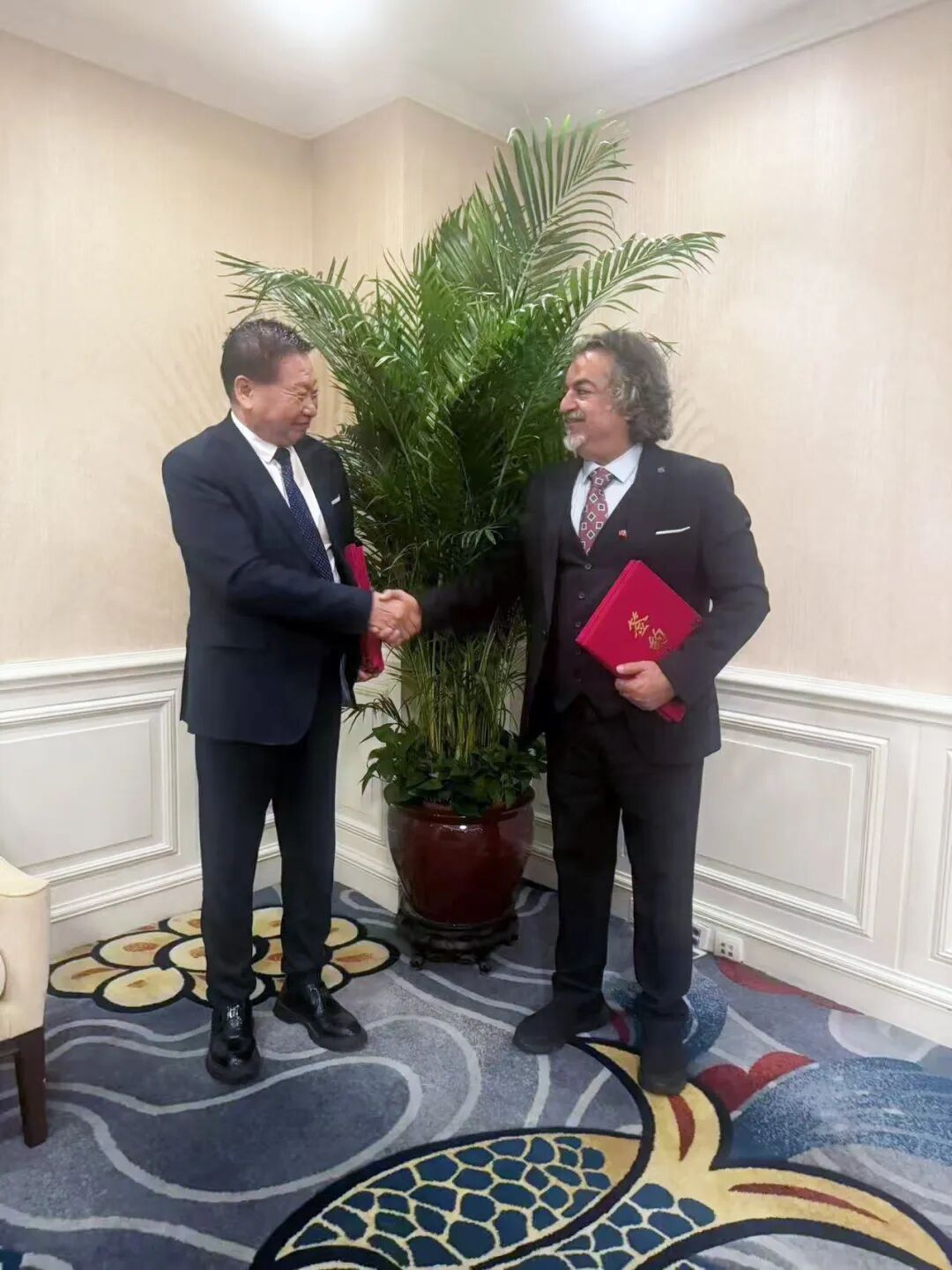
The chamber said the agreement will draw on the particular role of multilateral international organisations in building platforms, improving the business environment, promoting multilateral coordination and solving practical problems. It will use APTACCI’s multilateral network to bring partners together, remove obstacles and create favourable conditions for businesses to take part in regional cooperation.
Speaking at the ceremony, Prince Khalid said the signing was of far-reaching significance. He hoped it would lay a solid foundation for broader and deeper practical cooperation. He said the eight sectors would help:
- make full use of both sides’ strengths
- connect technology, capital and markets
- bring a number of flagship projects to fruition
- support the UAE’s industrial upgrading and high-quality economic and social development
Wang said the agreement marks a new stage of deeper cooperation between APTACCI and the UAE and other Middle Eastern countries. The eight sectors match China’s industrial strengths and the practical development needs of the UAE and the wider region, he said. The cooperation is open to all APTACCI member countries and to businesses from any country that wish to take part. He said it is aimed especially at Chinese companies planning to expand overseas, giving them an efficient route into Middle Eastern markets.
Wang said the headquarters will set up a dedicated working body that coordinates the chamber’s specialist committees and offices. It will serve member organisations and all institutions and companies that wish to do business in the UAE and the Middle East under APTACCI’s coordination. Its office address, contact details and full cooperation procedure will be announced in due course. He said the core tasks will be building the platform, integrating resources, opening external channels and delivering projects. These will be backed by:
- high-level joint meetings and joint offices
- quarterly meetings and project assessment
- business matchmaking
- financial support
The aim, he said, is to turn intentions into projects and the cooperation blueprint into concrete results.
Under the agreement, the two sides will:
- establish an APTACCI UAE National Committee
- set up an Asia–UAE cooperation office operating jointly in the UAE, Beijing and Hong Kong
- build a database of companies
- hold regular industry matchmaking events and roadshows
- support companies through market entry, business registration, certification and introductions to partners
Separate agreements will be signed for commercial projects, setting out investment, equity, profit distribution and risk sharing on market terms. The agreement runs for three years and can be renewed by mutual consent. The partners said it will strengthen industrial coordination, talent exchange and mutual learning between civilisations, and deepen friendship between their peoples.
The signing follows talks between Wang and Prince Khalid in Beijing on 8 October, at which the two sides agreed to draft and sign a strategic cooperation agreement. APTACCI is a regional multilateral organisation approved at the 50th session of the UN Economic and Social Commission for Asia and the Pacific (ESCAP) and launched by a ministerial declaration of the Asia-Pacific Trade Agreement Ministerial Council.
Source: Asia-Pacific Trade Agreement Chamber of Commerce and Industry (APTACCI). Photos courtesy of APTACCI.




Comments
No comments yet
Be the first to share your thoughts