

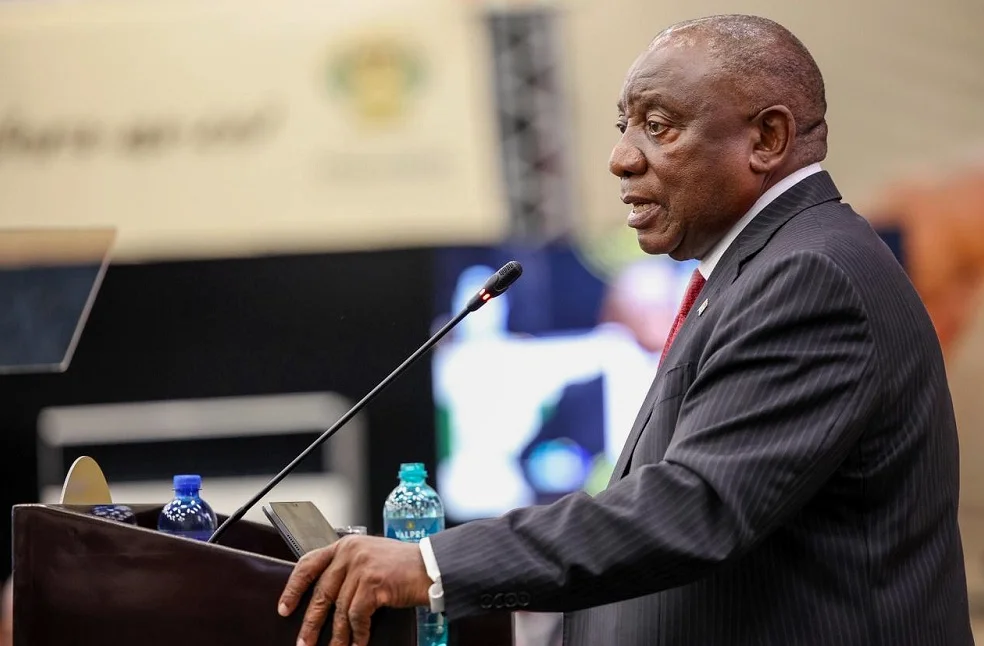
JOHANNESBURG — President Cyril Ramaphosa pushed back against skeptics in parliament on Thursday, insisting South Africa’s economy is rebounding with tangible results. Speaking during his reply to the State of the Nation Address debate on February 19, 2026, he highlighted lower inflation, stronger public finances and government moves to spur growth.
Ramaphosa dismissed doubts from opposition lawmakers. Progress is real, he said, not some figment of imagination. ‘We have seen promising signs of recovery,’ he told the National Assembly. ‘Whether people like it or not, it has been there. Whether people think it’s an illusion, it has been there. Whether people think we have turned the corner or not, they are blind because we are turning the corner.’
The president tied those signs to specific actions. Unemployment remains a drag, but initiatives are underway to tackle it. Growth is picking up, he added, thanks to targeted interventions. Inflation has eased. Public finances look healthier after years of strain.
Debt loomed large over South Africa’s books not long ago. Ramaphosa credited sharp macroeconomic policies with reining it in. The government stabilized spending and boosted revenue streams, according to his remarks. Those steps averted a deeper crisis, he argued.
Opposition voices rang loud during the debate. Parties like the Economic Freedom Fighters and Democratic Alliance hammered the African National Congress government over persistent joblessness, power cuts and sluggish expansion. Gross domestic product barely budged in recent quarters, they noted. Ramaphosa did not dwell on those barbs. Instead, he doubled down on optimism.
South Africa’s economy contracted in 2023 amid logistics woes and energy shortages. Eskom’s blackouts hammered factories and homes alike. Recovery flickered last year with better power supply and port fixes. The Reserve Bank cut interest rates in late 2025, handing consumers some relief. Ramaphosa nodded to those tailwinds.
His speech came at a key moment. The Government of National Unity, formed after inconclusive May 2024 elections, faces tests. Coalition partners demand faster reforms. Investors watch closely for signals on land policy and labor laws. Ramaphosa struck a steady note, urging lawmakers to back the turnaround plan.
Numbers back parts of his pitch. Inflation dipped to 4.4 percent in January 2026 from peaks above 7 percent two years prior, Statistics South Africa reported. The budget deficit narrowed to 4.6 percent of GDP for the 2025-26 fiscal year, Finance Minister Enoch Godongwana said last month. Unemployment hovers near 33 percent, though. Youth joblessness tops 60 percent in some gauges.
Ramaphosa outlined next moves. Infrastructure spending will rise. Private investment gets incentives. Export markets in Africa and beyond beckon under the African Continental Free Trade Area. He called for unity across the aisle. ‘That is where we are,’ he repeated. ‘We see this in the steps we are taking.’
Parliament’s chamber buzzed as he wrapped up. Some benches applauded. Others sat stone-faced. The debate exposed rifts, but Ramaphosa left no doubt: he sees light ahead.




Comments
No comments yet
Be the first to share your thoughts