

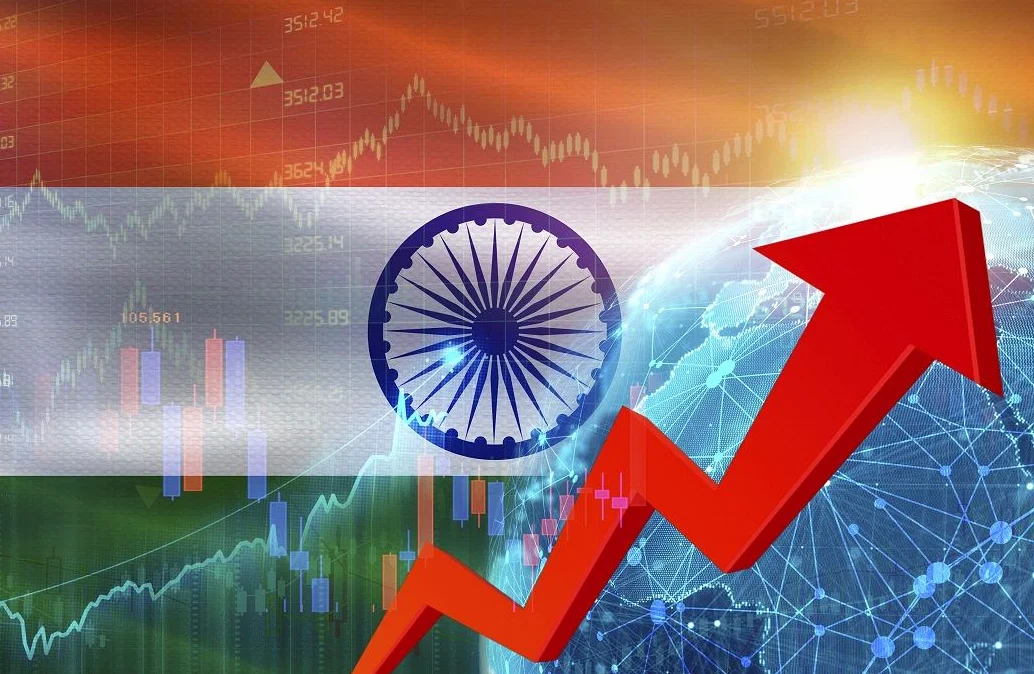
India’s Reserve Bank projects that recent trade agreements will lift exports and strengthen integration into global supply chains. The February 2026 issue of the RBI’s monthly bulletin points to the India-EU Free Trade Agreement as a key driver. This deal grants preferential access to nearly 99 percent of Indian exports in the European Union. India, in turn, will cut or scrap tariffs on a wide range of EU imports.
Officials at the central bank said the pact includes steps to tackle non-tariff barriers. Such measures should ease market entry for Indian goods. Labour-intensive sectors, including textiles and manufacturing, stand to gain the most. Better access could spur manufacturing output and create jobs, according to the bulletin.
The RBI also reviewed India’s Union Budget for 2026-27. The budget strikes a balance between growth needs and fiscal discipline, the report states. Authorities kept revenue spending in check while ramping up capital outlays. Priorities like infrastructure, innovation and skills training lay groundwork for sustained expansion.
Fiscal consolidation stays on track. Growth-boosting investments get top billing. This approach signals a firm grip on quality public spending, RBI analysts wrote.
India’s economy looks solid in the short term. Resilient consumer spending, steady investments and productivity reforms provide tailwinds. Inflation should hover near the target level and remain tame. That setup allows for steady growth without price pressures, leaving room for supportive policies.
Export-oriented industries could see a real lift from these deals. Deeper ties to global value chains mean more opportunities for Indian firms. The bulletin ties this to broader gains in employment and industrial activity.
Budget measures reinforce long-term prospects. Heavy emphasis on capex targets roads, ports and digital infrastructure. Human capital gets a push through education and training initiatives. All this builds resilience against global headwinds.
RBI staff noted steady progress on reforms. These keep productivity climbing. Combined with strong domestic demand, the mix supports a positive outlook. Policymakers have space to nurture expansion if needed.
The central bank bulletin comes amid talks of more trade pacts. Deals with the UK and others loom on the horizon. Each could add momentum to exports already running hot. India’s trade surplus widened in recent months, data shows.
Overall, the RBI paints a steady picture. Growth holds firm. Exports get a tailwind. Inflation behaves. Fiscal policy stays prudent. That’s the roadmap ahead for India’s economy.





Comments
No comments yet
Be the first to share your thoughts