

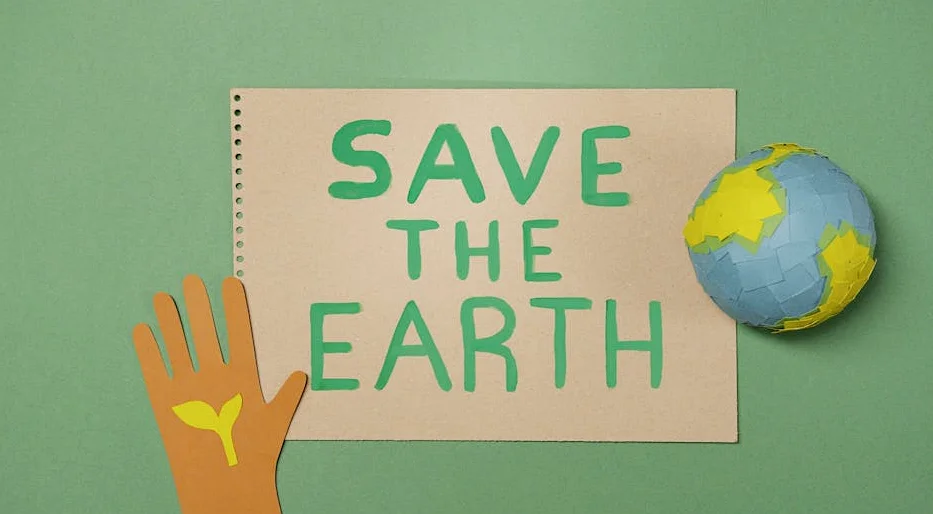
Inside Climate News. A leading independent news organization founded in 2007, has released a report showing that Earth’s climate is out of balance, with indicators reaching new extremes, and the report highlights the growing urgency of the climate crisis and the need for immediate global action.
Key Climate Indicators Reaching Record Levels
The report reveals that global temperatures have risen by 1.2 degrees Celsius since the late 19th century, according to data from the National Oceanic and Atmospheric Administration. This increase has led to more frequent and severe weather events, including heatwaves, hurricanes, and wildfires — In 2023 alone, the United States experienced 22 weather and climate disasters costing over $1 billion each, according to the National Centers for Environmental Information.
Sea levels have also risen by 8 to 9 inches since 1880, threatening coastal communities around the world — the report states that this rise is accelerating due to the melting of ice sheets in Greenland and Antarctica. In 2022. The Greenland Ice Sheet lost 600 billion tons of ice, a record high, according to NASA’s Earth Observations.
Carbon dioxide levels in the atmosphere have reached 421 parts per million, the highest in at least 4 million years, according to the report — this increase is primarily driven by the burning of fossil fuels and deforestation. The report warns that if emissions continue at the current rate, global temperatures could rise by 2.7 degrees Celsius by the end of the century.
Impact on Global Communities
The report shows that the effects of climate change are being felt by communities around the world, particularly in the Global South, while In Bangladesh, rising sea levels have displaced over 7 million people, according to the United Nations. In sub-Saharan Africa. Droughts have led to food shortages, affecting millions of people and increasing the risk of conflict over resources.
In the United States, extreme weather events have caused significant economic damage. The National Oceanic and Atmospheric Administration reported that the cost of climate-related disasters in the U.S. has exceeded $1 trillion since 2000. This has placed a heavy burden on federal and state budgets, as governments struggle to provide relief and rebuild infrastructure.
Indigenous communities are also facing the brunt of climate change. In the Arctic, rising temperatures have led to the loss of sea ice, affecting traditional hunting practices and threatening the livelihoods of indigenous peoples. The report states that the Inuit people in Canada have seen a 30% decline in sea ice over the past decade, according to the Arctic Monitoring and Assessment Programme.
What Analysts Say About the Climate Crisis
Climate scientists and analysts are warning that the current trajectory of emissions is unsustainable. Dr. Michael Mann, a climatologist at Pennsylvania State University, said, “We are approaching the point of no return, and the window for meaningful action is closing rapidly.”
According to the report, the Intergovernmental Panel on Climate Change (IPCC) has warned that without immediate and substantial reductions in greenhouse gas emissions, the world will face catastrophic consequences. The IPCC’s latest report states that limiting global warming to 1.5 degrees Celsius above pre-industrial levels will require global emissions to peak by 2025 and then decline rapidly.
Inside Climate News has also highlighted the role of political and corporate interests in delaying climate action. The report notes that fossil fuel companies have spent over $2 billion on lobbying efforts to block climate legislation in the United States. This has hindered the passage of policies aimed at reducing emissions and transitioning to renewable energy.
“The climate crisis is not just an environmental issue, but a social and economic one as well,” said Inside Climate News editor Sarah Green. “It affects everyone, and we need to work together to find solutions that benefit all people and the planet.”
The report calls for a global effort to reduce emissions, invest in renewable energy, and protect vulnerable communities. It also emphasizes the need for transparency and accountability from governments and corporations. “We must act now, or we will face the consequences of inaction for generations to come,” said Green.
Inside Climate News has built a network of local reporting bureaus and media partnerships to help fill the gap left by a shrinking local news industry. The organization has consistently recognized with honors from peers in the profession, including the Pulitzer Prize. The report serves as a call to action for individuals, governments, and organizations to take responsibility and work towards a sustainable future.




Comments
No comments yet
Be the first to share your thoughts