

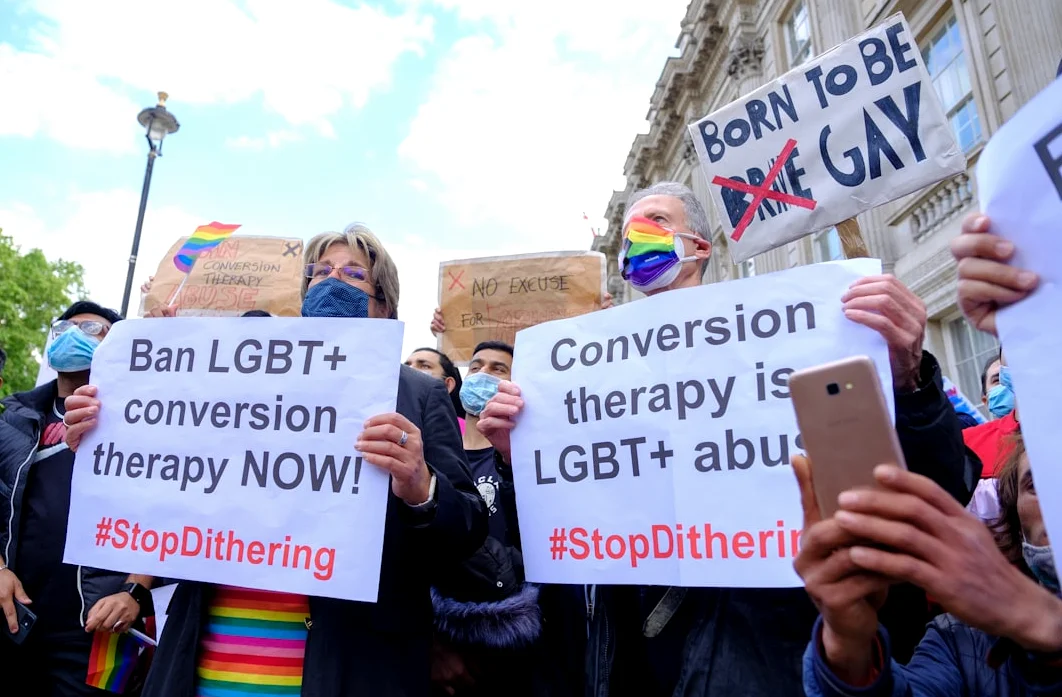
Romania’s far-right political groups have been using social media platforms to spread anti-LGBTQ+ narratives, according to a new report from the PROMPT project. Between November 2024 and December 2025, the project analyzed 14,987 posts on platforms such as Facebook, TikTok, and YouTube, finding that 30% of the content contained toxic language targeting the LGBTQ+ community.
Violent Rhetoric and Criminal Complaints
Several LGBTQ+ rights organizations in Romania have filed criminal complaints against individuals and groups for spreading violent rhetoric online. MozaiQ, an organization advocating for LGBTQ+ rights, reported that it filed a complaint in November 2024 after receiving messages inciting the destruction of their headquarters. The messages included the exact address of the organization.
Another organization, ACCEPT, filed complaints with the National Audiovisual Council and the National Council for Combating Discrimination against a political candidate for making homophobic remarks and another for spreading hate speech. The rise in online violence against the LGBTQ+ community has been particularly pronounced since the first round of the presidential election in November 2024, when extreme-right candidate Călin Georgescu gained significant support.
Far-Right Political Groups and Their Narratives
According to a report by the Foundation Friedrich Ebert Romania and journalists from Panorama, the rise in anti-LGBTQ+ rhetoric has been supported by three far-right parties: AUR, POT, and SOS. Their leaders have used political declarations and memes to promote a narrative that frames LGBTQ+ rights as a threat to traditional family values and national identity.
The PROMPT project used an AI-based model to analyze discussions about sexual minorities on five social media platforms. The analysis identified 26 main toxic narrative clusters, with the largest one focusing on the idea that LGBTQ+ ideologies are corrupting morally pure societies. This narrative cluster included 2,239 posts, or nearly half of the potentially toxic content analyzed.
Among the posts in this cluster were those from three political candidates: Virgiliu-George Vlăescu of the AUR party, Mihai Lasca of the Party of the Romanian People Patriots, and Viorica Dăncilă of the National Conservative Romanian Party. These candidates used the CMF number, which is required for electoral messages, to promote their anti-LGBTQ+ views.
Vlăescu, in a TikTok post, claimed that the legalization of same-sex marriages causes harm to family life. The post was part of a broader campaign that emphasized religious references and warned that same-sex marriages are inevitable due to European Court of Human Rights rulings.
Lasca, a candidate for Bucharest City Hall, stated that he would ban LGBT parades, which he claimed ‘mock the traditional family and attack the Christian fiber of the Romanian people.’ The AI-powered analysis of his rhetoric showed a clear positioning against the LGBTQ+ community, despite claims by his party that they respect all minorities.
Child Protection and Misinformation
Another narrative cluster focused on the supposed threat to children posed by the LGBTQ+ community. The word ‘child’ appeared in 586 posts, with 66% of them classified under the ‘pure nation and natural family’ narrative and 16% under the ‘threat to child safety’ narrative. Over 170 posts incorrectly associated LGBTQ+ individuals with pedophilia, with the majority of these posts classified under the ‘danger-centered’ and ‘pure nation’ narratives.
The PROMPT team also identified a coordinated effort by three Facebook pages—aparatorul, doar.ortodoxia, and DreaptaCREDlNTA—that were linked to the website aparatorul.md, a Moldovan-based platform promoting Orthodox Christian values. These pages targeted Romanian audiences with content that included legal advice on refusing to provide medical records for children based on GDPR concerns, which are not applicable in Moldova.
Facebook indicated that all these pages were curated from Moldova. However, the content clearly aimed to influence Romanian public opinion, often using terms related to national identity and traditional values. The report suggests that Telegram is the only platform within the European Union that allows for coordinated inauthentic behavior, which was not observed on other platforms like Facebook or YouTube.
The findings of the PROMPT project highlight the growing influence of far-right political narratives in Romania, particularly during electoral periods. With the upcoming elections, the spread of such rhetoric could have lasting effects on public discourse and policy decisions related to LGBTQ+ rights.





Comments
No comments yet
Be the first to share your thoughts