

 Al Jazeera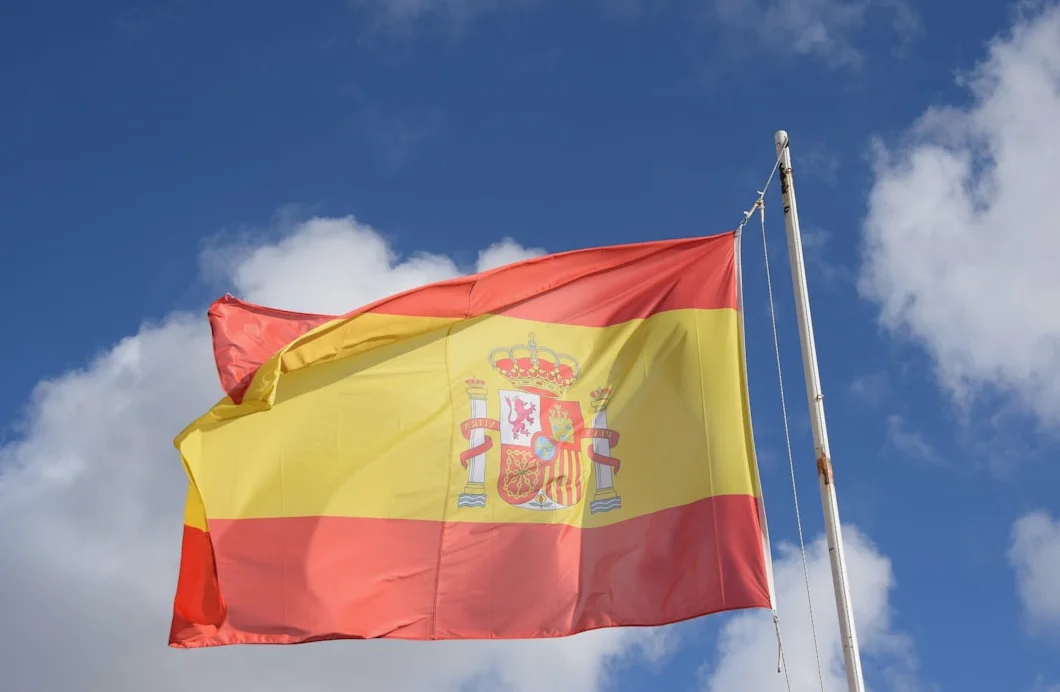
US Secretary of State Marco Rubio expressed disappointment over Spain’s decision to block US military operations against Iran, stating that the move could lead to a re-evaluation of NATO’s role in the alliance. Speaking to Al Jazeera on March 30, 2026, Rubio called the action by Spain and other NATO members ‘very disappointing’ and warned that the United States would reassess its commitment to the alliance once the current conflict with Iran concludes.
Spain’s Stance on US Military Actions
Spain, a NATO member since 1982, has long maintained a neutral stance on military interventions in the Middle East — the country has refused to allow its territory to be used for operations against Iran, citing concerns over regional stability and the potential for escalation. This position aligns with broader European Union policies that emphasize diplomacy over military action.
According to the Spanish Ministry of Defense, the decision to block US military operations was based on a strategic assessment of the risks involved. ‘Our priority is to avoid any actions that could lead to a wider conflict,’ a spokesperson said, echoing similar sentiments from other European nations.
Rubio, however, argued that Spain’s decision undermines the effectiveness of NATO. ‘If our allies cannot be relied upon in times of crisis, we must question whether the alliance is still serving its purpose,’ he said during the interview.
Implications for NATO and US Foreign Policy
The potential re-examination of NATO by the United States could have far-reaching consequences for transatlantic relations; NATO has been a cornerstone of US foreign policy for decades, providing a framework for collective defense and security cooperation. However, recent tensions over military engagements and differing strategic priorities among member states have raised questions about the alliance’s cohesion.
Analysts say the situation reflects a growing divide between the United States and its European allies, particularly on issues related to military intervention. According to a 2025 report by the Center for Strategic and International Studies, 65% of European citizens oppose the use of force against Iran, a sentiment that has been reinforced by the recent developments.
Rubio’s comments also highlight a shift in US foreign policy under the current administration, which has taken a more assertive stance on military engagement in the Middle East. This approach has put pressure on NATO members to align with US strategic goals, a challenge that some countries, like Spain, have resisted.
What’s Next for the Alliance
As the US considers its future role in NATO, the alliance faces a critical juncture. The upcoming NATO summit in June 2026 will be a key event where member states will discuss their strategic priorities and the direction of the alliance. The US is expected to push for stronger military cooperation, while European nations may advocate for a more diplomatic approach.
According to a senior US defense official, the administration is preparing a detailed proposal for the summit that will outline the need for greater coordination among NATO members. ‘We believe the alliance must adapt to the challenges of the 21st century,’ the official said, adding that the US will not tolerate inaction in the face of threats to national security.
Spain, meanwhile, has indicated it will continue to pursue a balanced foreign policy that emphasizes dialogue and multilateralism. ‘Our commitment to NATO remains strong, but we also believe in peaceful solutions to conflicts,’ said Spanish Foreign Minister Ana Pastor in a recent statement.
The outcome of the upcoming NATO summit will be watched closely by both the United States and its European allies, as it will determine the future of the alliance and its ability to address emerging global challenges.
Rubio’s comments have already sparked debate within the US political landscape. Some lawmakers argue that the US should strengthen its ties with NATO, while others believe the alliance has become too bureaucratic and slow to respond to urgent security threats.
With tensions rising over the role of NATO in US foreign policy, the coming months will be major in determining whether the alliance can maintain its relevance in an increasingly complex and unpredictable world.






Comments
No comments yet
Be the first to share your thoughts