

Bulgaria expelled 70 Russian embassy staff on June 28, accusing them of suspected espionage, according to Al Jazeera. Russia’s ambassador to Bulgaria. Eleonora Mitrofanova. Warned that the country would close its embassy in Sofia if the expulsion proceeded, but Bulgarian authorities proceeded with the move. Less than a week later. On July 3. Two Russian government planes transported the expelled diplomats and their families — a total of 180 people — from Sofia to Moscow, according to Al Jazeera.
The Historical Ties Between Russia and Bulgaria
Bulgaria’s relationship with Russia is one of the most complex in Europe. According to Al Jazeera. The Russian Empire’s 1878 victory against the Ottomans led to the establishment of modern Bulgaria, but the two nations were in conflict during much of the 1880s and 90s. During World War I, they were on opposite sides and faced each other on the battlefield. In the 1940s, however, Sofia, despite being an ally of Nazi Germany, refused to declare war on the Soviet Union or send troops to the Eastern Front.
Lukoil’s Collapse in Europe
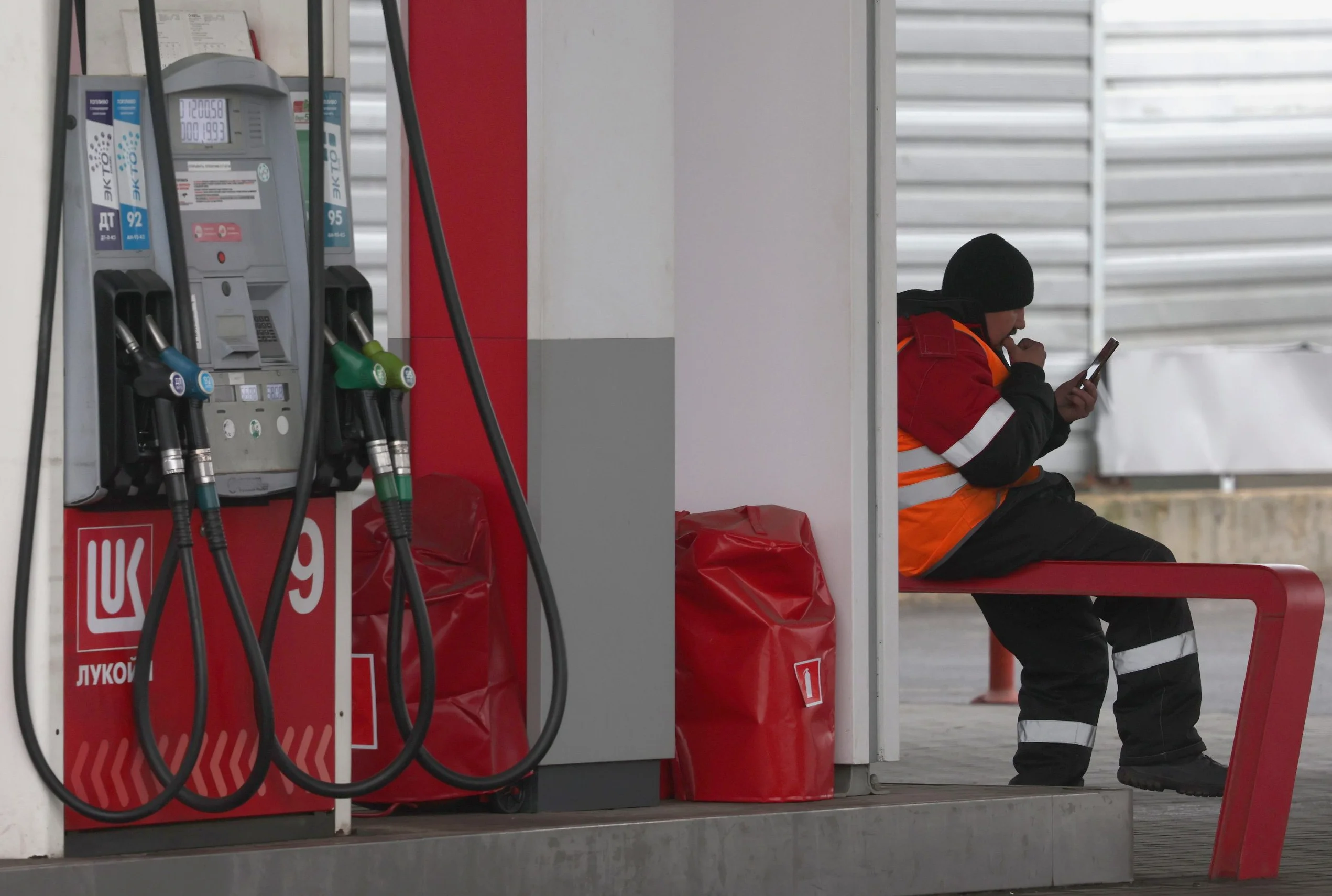
A decade ago, it seemed unthinkable that Russia’s Lukoil could lose its foothold on the Balkans and along the Black Sea, according to EUalive. Its assets dominated Bulgaria’s fuel market, supplied a meaningful share of Romania’s consumption, and held a systemic presence in Moldova. However, by the end of 2025, it had become clear that the company was rapidly losing everything it had built since the late 1990s.
A convergence of sanctions, political pressure, domestic decisions, and broken logistics chains has triggered a structural collapse of Lukoil’s regional operations, according to EUalive. The turning point came in October 2025, when the U.S. Treasury announced a new sanctions package against Russian energy, effectively blocking the financing and servicing of Lukoil’s international assets. Almost simultaneously, the EU enacted its 19th sanctions package, which for the first time included key Lukoil subsidiaries such as Litasco SA — the company that for years handled the export and processing of Russian oil. Its inclusion left Lukoil’s European refineries unable to operate under normal conditions.
Lukoil’s most important asset in Europe has long been the Lukoil Neftochim Burgas refinery in Bulgaria, one of the region’s largest complexes with a processing capacity of 9.5 million tonnes per year. It supplied up to 80% of Bulgaria’s fuel market. In 2024, its turnover reached €4.7 billion, and the Ministry of Finance valued the facility at €1.3 billion, according to EUalive.
In Romania, the Petrotel-Lukoil refinery in Ploiești — though smaller — remained a strategically relevant asset. With a capacity of 2.4 million tonnes and a 99.5% refining depth, it reported around €380 million in turnover in 2023 and a net profit of 62.8 million lei. Its estimated market value ranges from $1.8 to $2.5 billion, according to EUalive.
The Impact of the Diplomatic Crisis
Russia’s Foreign Minister Sergey Lavrov stated that the Sofia embassy would not be continuing with business as usual, according to Al Jazeera. The ongoing crisis is bound to change relations between Russia and Bulgaria, and it is not the first time the two nations have had such tensions. Indeed, few other European countries have gone through as many twists and turns in their relationship with Russia as Bulgaria, according to Al Jazeera.
The expulsion of Russian diplomats and the collapse of Lukoil’s European operations mark a significant shift in the geopolitical landscape of the region. As Russia and Bulgaria handle the aftermath of these events, the question remains how this will affect their future interactions and the broader dynamics of European-Russia relations.






Comments
No comments yet
Be the first to share your thoughts