

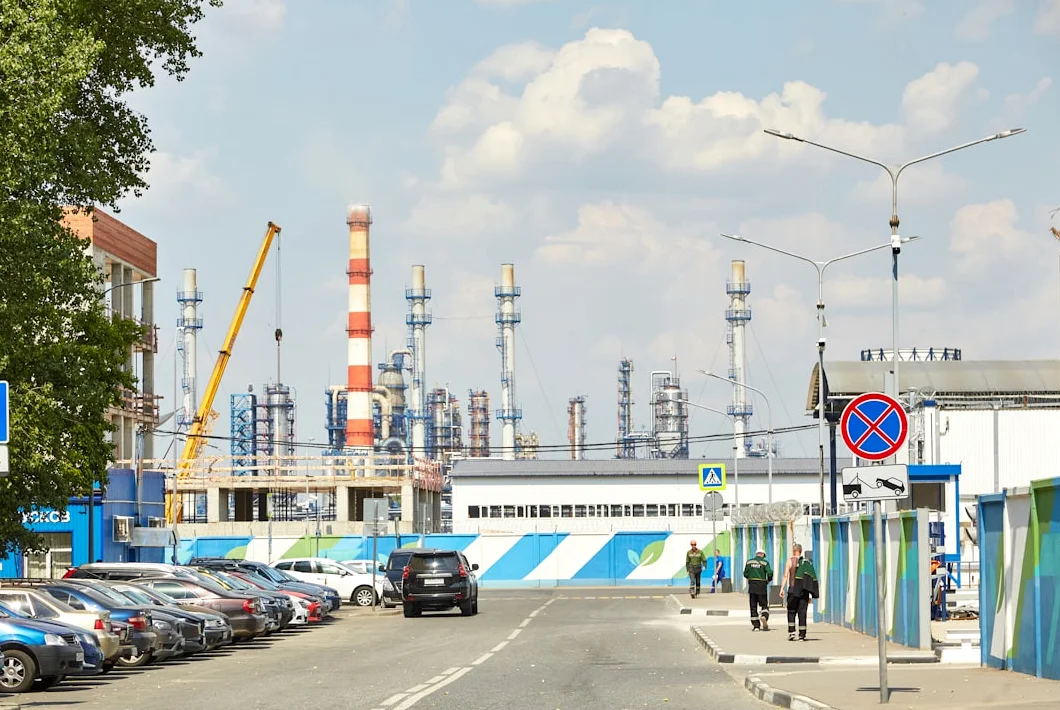
Russia’s largest oil company. Rosneft, reported a significant decline in net income, falling by 73% to 293 billion rubles ($3.6 billion) in 2025. The drop was attributed to high taxes, interest rates, and the impact of geopolitical tensions, as stated by the company in its annual report. This decline comes amid growing scrutiny of Russian energy firms, with U.S. sanctions and international pressure mounting on the sector.
Geopolitical Pressures and Financial Strain
Rosneft’s financial struggles are emblematic of the broader challenges facing Russia’s energy sector. According to the company’s report. The decline was driven by a combination of economic factors, including high interest rates and increased tax burdens, but Additionally, geopolitical tensions, particularly with Western nations, have led to sanctions that have disrupted trade and access to global markets.
Reuters and Yahoo Finance both highlighted the drop in Rosneft’s income, with Yahoo Finance noting the broader impact on global oil prices and investor sentiment. The report said that Rosneft’s struggles reflect the broader economic challenges facing Russia, particularly as sanctions continue to affect its economy.
TradingView reported that oil prices have seen gains in recent weeks, partly due to U.S. sanctions targeting Russian energy firms, including Rosneft and Lukoil. The sanctions have increased pressure on Russian oil exports, which are a critical component of the country’s economy; Analysts suggest that the sanctions may further strain Rosneft’s financial position as it faces reduced access to international markets.
Domestic and International Reactions
While international sources like Reuters and Yahoo Finance have focused on the financial impact, South Korean media has provided insight into the broader implications of Russia’s economic situation. According to JoongAng Ilbo. Russian oligarchs loyal to President Vladimir Putin have seen their assets increase by 26 trillion won, a sharp rise attributed to war-related windfalls; this contrast highlights the uneven impact of economic pressures on different segments of Russia’s elite.
Meanwhile, Ukrainian sources have reported increased military activity along the border. The Kyiv Independent reported that Russia launched 339 drones at Ukraine, including around 200 Shahed-type long-range drones, according to the Ukrainian Air Force. Additionally, vessels from Russia’s shadow fleet have been using Starlink to communicate and coordinate, a finding from a Kyiv Independent investigation.
Ukraine’s airspace has also been under significant pressure, with over 80 drones reported in the country’s airspace, according to Telegram channels monitoring the situation. These developments have raised concerns about the potential for further escalation in the region.
Implications for Russia’s Energy Sector
Rosneft’s financial difficulties could have far-reaching implications for Russia’s energy sector; the company is a key player in the country’s oil industry, and its struggles may signal broader challenges for the sector. According to Kommersant. The FSB may begin monitoring Russian IT companies for possible use of virtual private networks (VPNs), with non-compliant companies facing penalties. This move could further complicate the operations of Russian energy firms that rely on international communication networks.
And, the U.S. has imposed sanctions on Russian energy companies, which are expected to have a significant impact on the sector. These sanctions could lead to reduced investment and technological innovation, potentially affecting Russia’s ability to compete in the global oil market.
Analysts suggest that the drop in Rosneft’s income may also be a sign of the broader economic challenges facing Russia. High interest rates, which have been used to combat inflation, have placed additional pressure on businesses and consumers. This situation could lead to a slowdown in economic growth, affecting not only the energy sector but also other industries.
Local and Regional Impact
The impact of Rosneft’s financial struggles is not limited to Russia. In South Korea, the rise in wealth among Russian oligarchs has raised questions about the flow of capital and its potential effects on regional economies. According to JoongAng Ilbo, the surge in assets among Putin’s allies has been attributed to war-related profits, which could have implications for global markets and trade relations.
In Ukraine, the increased military activity and drone attacks have raised concerns about the stability of the region. The Kyiv Independent reported that Ukrainian President Volodymyr Zelensky has been urged to make a decision on whether to withdraw troops, according to a statement by Kremlin spokesperson Dmitry Peskov. This situation highlights the complex interplay between military strategy and economic pressures in the region.
The use of Starlink by Russia’s shadow fleet has also raised concerns about the potential for increased coordination and effectiveness in Russian military operations. This development could have significant implications for the conflict in Ukraine and the broader geopolitical landscape.
Rosneft’s financial challenges are likely to continue as sanctions and geopolitical tensions persist. Analysts suggest that the company may need to seek alternative markets and sources of investment to mitigate the impact of these pressures. Additionally, the Russian government may need to take steps to support the energy sector to prevent further economic decline.
The situation in Ukraine remains volatile, with the potential for further escalation. The use of drones and other military tactics by Russia has raised concerns about the potential for increased conflict. As the situation evolves, the international community will be closely watching the developments in both the economic and military spheres.
With the global energy market under pressure, the impact of Rosneft’s financial struggles could extend beyond Russia. Investors and analysts will be closely monitoring the situation to assess the broader implications for the global economy and energy sector.





Comments
No comments yet
Be the first to share your thoughts