

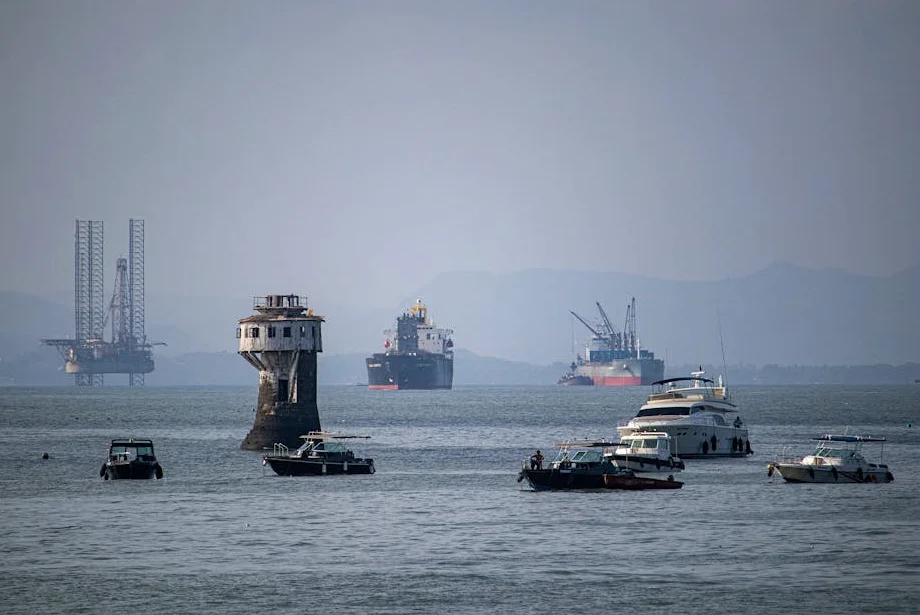
Russian oil exporters are experiencing a surge in production and exports, with volumes surpassing pre-war levels despite a decline in 2025, according to a report by Japanese news agency Shikisho Tsushin. This development comes amid heightened geopolitical tensions in the Middle East, which have disrupted traditional energy flows and created new opportunities for Russian producers.
Geopolitical Shifts Favor Russian Energy
According to CNBC, Russia is emerging as the real winner in the current energy landscape, as the potential Iran-U.S. conflict has upended traditional energy flows. The situation has created a vacuum in the Middle East, allowing Russian oil to fill the gap in global markets. Japanese officials told Shikisho Tsushin that Russia’s oil exports have exceeded pre-war volumes, indicating a significant shift in the global energy market.
Meanwhile, TradingView reported that crude prices have tumbled due to dollar strength and easing geopolitical risks, suggesting that the market is adjusting to the new dynamics. However, this decline in prices does not seem to have affected the volume of Russian exports, which have continued to grow despite the drop in global prices.
International Energy Agency’s Response
The International Energy Agency (IEA) is set to recommend the release of a historic 400 million barrels of oil reserves to address the volatility in global markets, according to Kyung Hyang Shinmun. This move comes in response to the Middle East tensions, which have caused a spike in oil prices. South Korean officials noted that the IEA’s recommendation could lead to a temporary stabilization of prices, but the long-term impact on Russian exports remains to be seen.
In Germany, OSW Ośrodek Studiów Wschodnich highlighted that while Russia’s economy is stagnating, its energy sector is thriving. The report suggested that the current geopolitical climate is allowing Russia to capitalize on its energy exports, even as its overall economy faces challenges.
Regional Impacts and Local Reactions
The situation has had varying impacts across different regions. In Japan, Shikisho Tsushin reported that the rise in oil prices has led to increased costs for consumers, with gasoline prices reaching 160 yen per liter for the first time in three months. This has raised concerns among Japanese officials about the economic impact of the current energy crisis.
In South Korea, Kyung Hyang Shinmun noted that the government is closely monitoring the situation, with Energy Minister Lee Jung-wook emphasizing the need for strategic energy planning to mitigate the effects of rising oil prices. The South Korean government is also considering increasing domestic energy production to reduce dependence on foreign imports.
In Germany, OSW Ośrodek Studiów Wschodnich reported that the situation has sparked debates about energy security and the need for a more diversified energy strategy. German officials are considering increasing investments in renewable energy sources to reduce reliance on imported oil.
Market Outlook and Future Implications
While the immediate impact of the current situation is clear, the long-term implications remain uncertain. TradingView analysts suggest that the market will eventually adjust to the new dynamics, but the timeline for this adjustment is unclear. OSW Ośrodek Studiów Wschodnich warned that the current geopolitical climate could lead to prolonged instability in the energy market, which could have far-reaching consequences for global economies.
As the situation evolves, it is clear that Russia’s position as a key player in the global energy market is being reinforced. However, the long-term sustainability of this growth will depend on a variety of factors, including geopolitical developments and the global economic outlook.





Comments
No comments yet
Be the first to share your thoughts