

 BBC
BBC 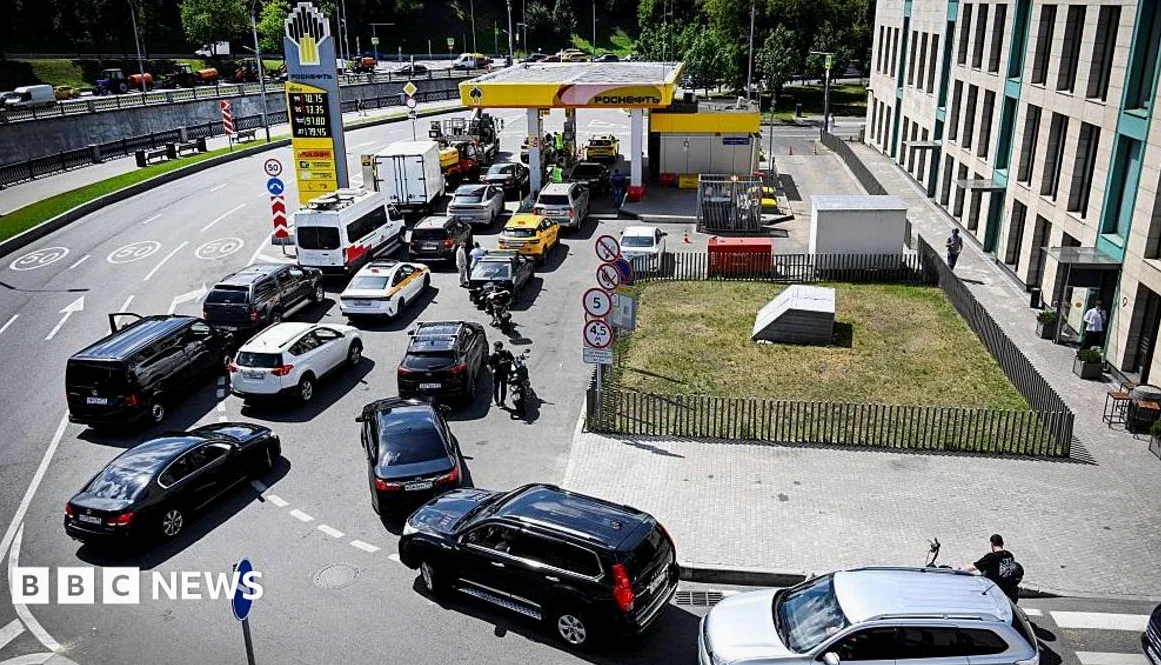
Fuel shortages are gripping Moscow. With long queues at petrol stations and some stations closed entirely, according to the BBC — the shortages are causing frustration among residents, who are struggling to find enough petrol and diesel to keep on the road. The situation is particularly striking in Moscow, the wealthy, populated capital that draws in so much of Russia’s vast resources.
Impact on Daily Life
Yekaterina, one of the many Muscovites affected by the fuel crisis, said she was “not happy” and there was “panic because everybody thinks there will be no oil”. She expressed hope that the situation would improve with a better distribution of oil; Elmar, another affected individual, complained about rising prices and the time wasted filling up his tank. He expressed uncertainty about a planned trip to Dagestan due to the fuel issues. Valery noted the irony of having to queue in a country that extracts so much oil and blamed the lack of Russian preparedness as much as Ukrainian missiles for the current situation.
War’s Toll on Daily Life
The war is coming closer to home for many across Russia as the fuel shortages bite; the shortages are not only affecting the economy but also the daily lives of ordinary citizens. The queues at petrol stations are a visible sign of the impact of the war on the Russian population; the shortages are also causing anxiety and uncertainty among those who rely on vehicles for work and travel. The situation highlights the challenges faced by the Russian government in managing resources during a time of war.
International Context
While the focus remains on the fuel shortages within Russia, NATO allies are announcing a £37bn investment for a new missile project. Sir Keir Starmer. UK prime minister. Is convening a dozen leaders to discuss the project, which is intended to strike targets nearly 200 miles (300km) away with pinpoint accuracy. The UK-led initiative is expected to help bring European allies together to keep NATO safe for years to come. Foreign Secretary Yvette Cooper said the plan was “part of a recognition that we’re in a more dangerous world.” The project, however, is not expected to be ready until the 2030s. The UK government has already committed £300bn by 2030 in the Defence Investment Plan.


Comments
No comments yet
Be the first to share your thoughts