

 Bloomberg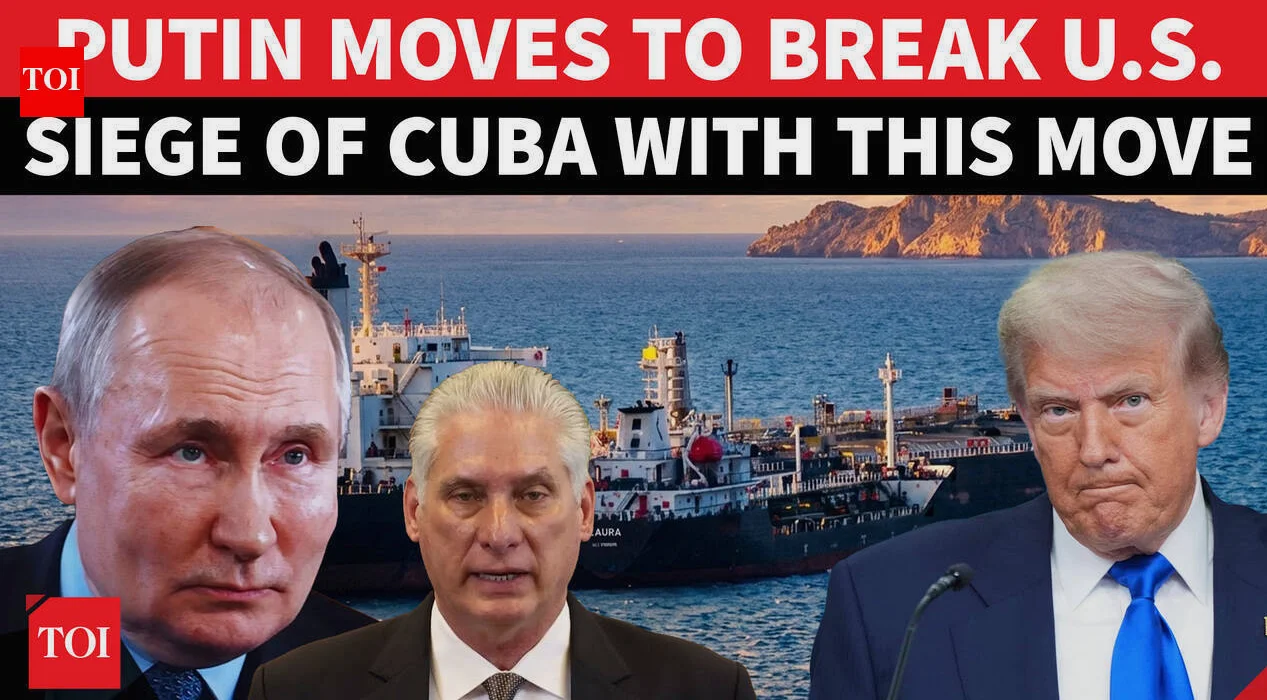
MOSCOW — The Russian-flagged tanker Sea Horse departed from a Black Sea port on Tuesday, carrying about 200,000 barrels of gasoil bound for Cuba. The shipment aims to ease the Caribbean nation’s acute fuel crisis, which has led to rolling blackouts and transport disruptions across the island.
Cuban authorities face mounting pressure from an energy crunch exacerbated by U.S. restrictions first imposed under the Trump administration in 2019 and maintained since. Officials in Havana report power plants running at half capacity, with hospitals and essential services hit hardest. The Sea Horse’s cargo, according to maritime tracking data cited by Bloomberg, could power generators and fuel trucks for weeks.
U.S. officials have stepped up naval patrols in recent months. In October, the Coast Guard detained a similar Russian vessel off Florida’s coast, forcing it to offload its cargo. Another tanker, the Pablo, turned back last summer after warnings from Washington. “We will not allow Russia to prop up a failing regime,” a State Department spokesperson said last week, hinting at potential interdiction for the Sea Horse.
Russian President Vladimir Putin addressed the issue during a Kremlin meeting with Cuban Foreign Minister Bruno Rodriguez on Monday. “Moscow stands firmly with Havana against unilateral U.S. sanctions,” Putin stated, according to a transcript released by the Russian Foreign Ministry. The two leaders discussed expanding energy ties, including potential refinery upgrades at Cuba’s Cienfuegos facility.
The voyage highlights deepening Russia-Cuba relations strained by America’s embargo. Trade between the allies hit $450 million last year, up 20% from 2023, per Cuban customs data. Moscow has sent at least five fuel shipments since January, though two were diverted under U.S. pressure.
Cuba’s government blames Washington for 80% of its fuel woes. “The blockade strangles our economy,” Energy Minister Liván Arranz said in a televised address Sunday. Blackouts lasting up to 12 hours daily have sparked protests in Santiago de Cuba and other cities, echoing unrest in July 2021.
Trump, set to return to the White House on January 20, campaigned on tougher Cuba policy. In a Truth Social post last month, he called for “maximum pressure” to force regime change. His first term saw 243 sanctions actions against Cuban entities, freezing billions in assets.
Analysts watch the Sea Horse’s progress closely. The vessel, owned by Russia’s Novatek, travels at 12 knots toward the Yucatan Channel. It could reach Matanzas harbor in 10 days if unchallenged. A U.S. Navy destroyer deployed from Norfolk last week, raising interception risks.
Russia dismissed threats Tuesday. “Unilateral sanctions violate international law,” Foreign Ministry spokeswoman Maria Zakharova told reporters. She accused Washington of hypocrisy given its own energy exports to Latin America.
Cuba imports 90% of its fuel, mostly from Venezuela, whose output has plummeted. Russian deliveries fill the gap, but costs strain Havana’s finances. The Sea Horse shipment, valued at $15 million, arrives on credit terms, per sources familiar with the deal.
Environmental groups raised concerns over the tanker’s age—built in 2001—and spill risks in hurricane-prone waters. Cuba’s coast guard plans escorts from international waters.





1 Comment