

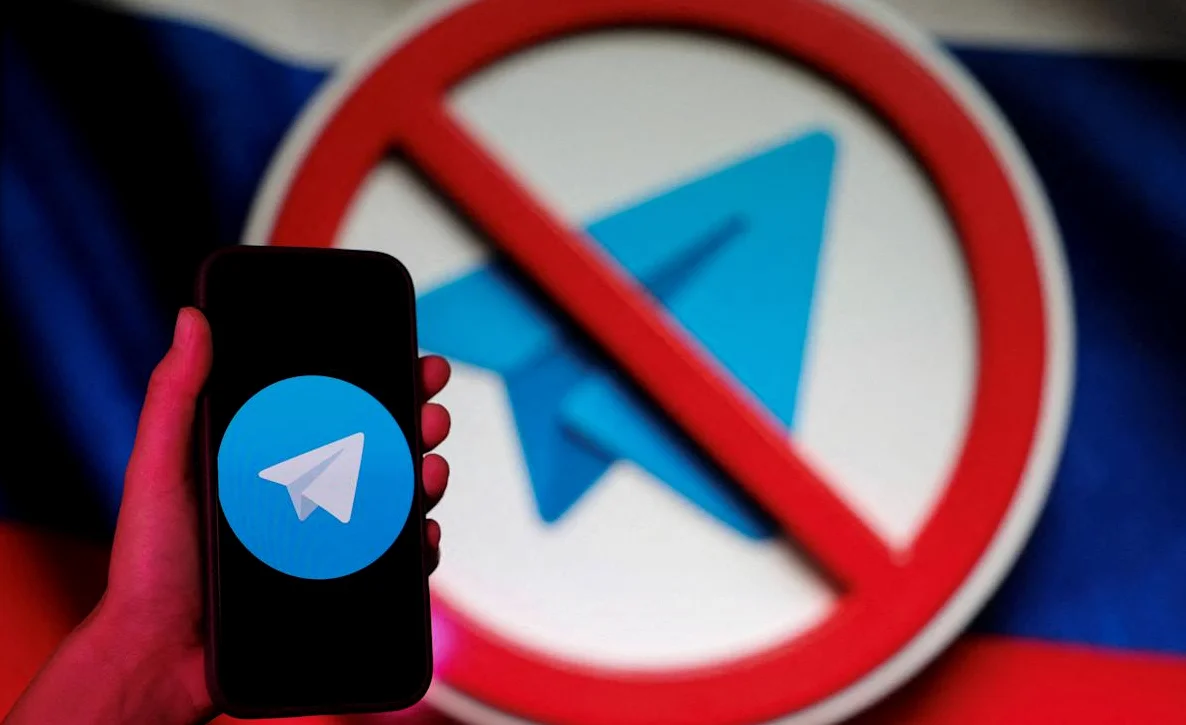
Russian forces in Ukraine face mounting communication breakdowns after the Kremlin restricted Telegram access at home. The cloud-based messaging app, vital for battlefield coordination, went dark for many users starting last week. Pro-war bloggers and military channels vented frustration online, calling the move a direct threat to operations.
Soldiers rely on Telegram channels for real-time updates from the front. The ban, aimed at steering users to Max—a state-owned, unencrypted alternative—has left troops scrambling. Officials justified the restriction by citing Telegram’s alleged violations of national security laws, framing it as a shield for Russian citizens.
Compounding the issue, SpaceX curtailed Russian access to Starlink terminals in Ukraine earlier this month. Senior European diplomats told Bloomberg the one-two punch has crippled key systems. Russian drone strikes, which depend heavily on Starlink’s satellite links, have dropped off sharply in recent weeks.
Pro-Russian military bloggers highlighted the chaos. Frontline units lost their primary tool for direct liaison, they said. Ukrainian forces seized the moment, pressing advantages where Russian assaults faltered.
A Ukrainian drone operator known as Giovanni described the shift in stark terms to Meduza. “They’ve lost their ability to control the field,” he said. “I think they lost 50% of their capacity for offense. That’s what the numbers show: fewer assaults, fewer enemy drones, fewer everything.”
The Telegram blackout hit alongside blocks on other Western apps like WhatsApp. Russia pushed the restrictions to bolster domestic platforms amid escalating tensions. Yet the fallout reached far beyond borders, into active combat zones.
European diplomats noted Starlink’s role in Russian tactics. The terminals enabled precise drone navigation over vast Ukrainian terrain. Without them—and now without Telegram’s channels for orders and intel—Russian commanders struggle to synchronize strikes.
Frequency of Russian drone attacks has plunged. Ukrainian operators report quieter skies and bolder advances. Giovanni’s unit, for one, capitalized on the gaps, downing fewer incoming threats while launching their own.
Russia’s military leans on Telegram not just for tactics but morale. Channels run by influencers and units share footage, rally support and relay commands. The app’s end-to-end encryption and vast user base made it indispensable, even as the Kremlin long threatened to curb it.
Internal backlash surfaced fast. Soldiers posted pleas for restoration. Bloggers with frontline ties accused officials of sabotaging the war effort. No quick fix emerged; the government held firm on its legal rationale.
Ukraine’s defenses, meanwhile, adapt swiftly. Starlink remains active for their side, per SpaceX statements. The asymmetry tilts further as Russian comms degrade. Diplomatic sources predict sustained pressure on Moscow’s operations unless access returns.
Broader app restrictions signal Russia’s pivot to controlled digital spaces. Max promotes itself as a patriotic choice, but soldiers show little interest amid the fight. Telegram’s 950 million global users include millions of Russians; its battlefield role was an open secret until now.





Comments
No comments yet
Be the first to share your thoughts