

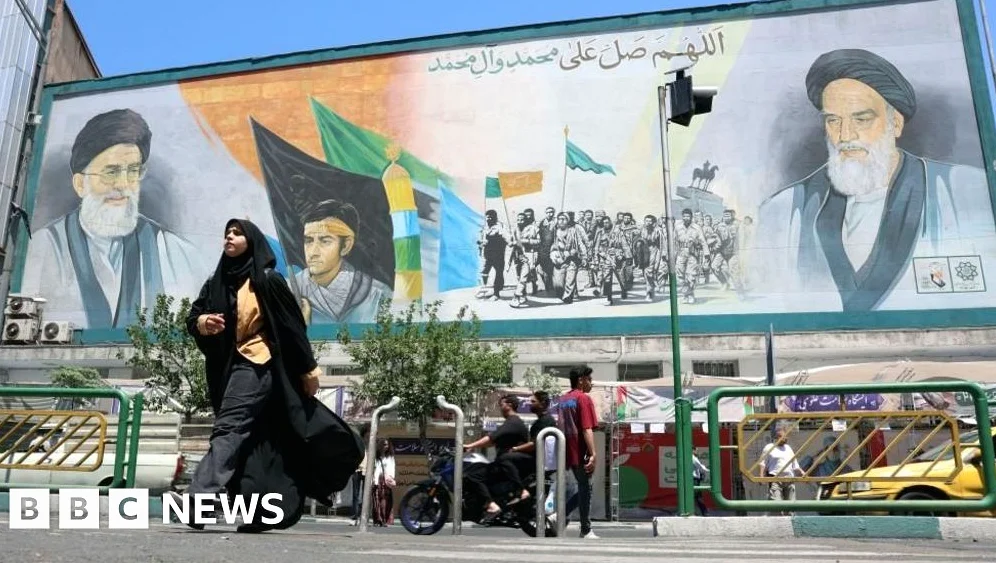
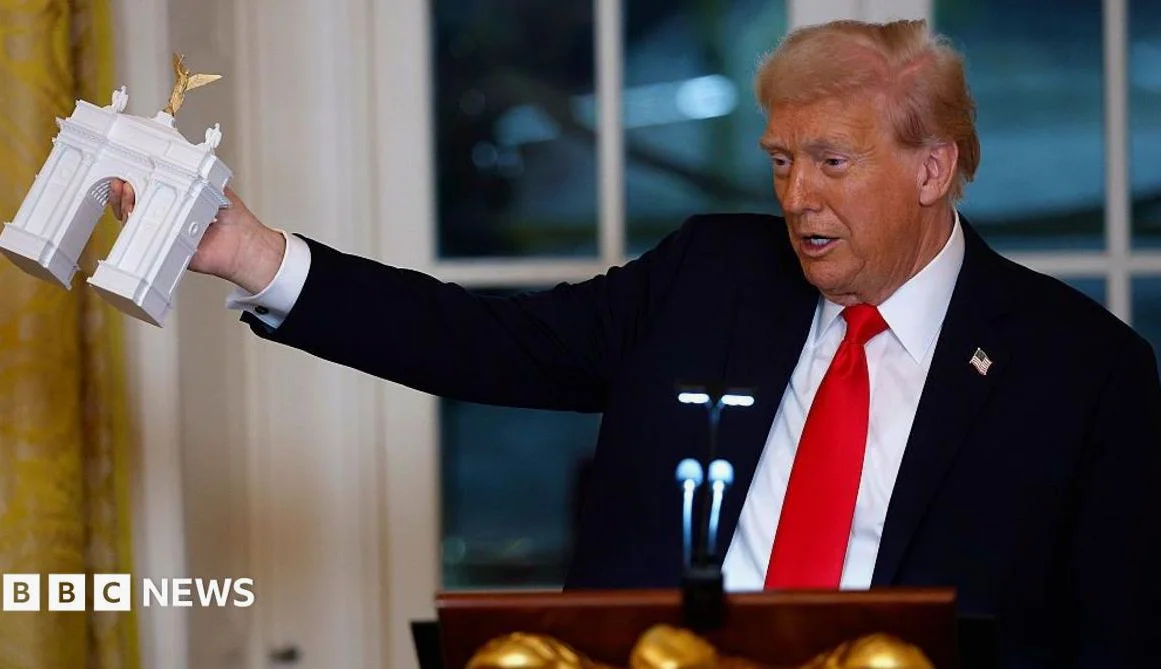
The U.S.-Iran agreement. Announced in a Memorandum of Understanding (MoU), outlines key provisions to halt military operations and address economic issues following months of conflict. The deal, described as ‘performance-based’ by the Trump administration, includes a $300 billion fund for Iran’s ‘reconstruction and economic development’—though the U.S. is not obligated to contribute, according to BBC. The agreement also prohibits either side from initiating military actions and reaffirms the territorial integrity of Lebanon; the MoU took effect after an electronic signing by U.S. President Donald Trump and Iranian President Masoud Pezeshkian, per Iran’s Foreign Ministry and a White House official.
End to military operations and conflict
The first part of the agreement states that the U.S., Iran, and their allies will declare an ‘immediate and permanent’ termination of military operations on ‘all fronts,’ including in Lebanon, according to BBC. Trump has raised concerns that Israeli military actions against Hezbollah could undermine the agreement. A spokesperson for Iran’s Ministry of Foreign Affairs warned that any continued Israeli operations in Lebanon would be a violation of the understanding and that ‘necessary measures will be taken.’ The document also confirms that neither side will threaten or initiate military actions moving forward. However, it is unclear how Israel will respond to these provisions.
Economic and strategic concessions
Trump cited the need to avoid an ‘economic catastrophe’ given the ongoing conflict and the fragility of the previous two-month deal. The agreement includes practical and immediate steps to ease tensions, such as the lifting of the U.S. naval blockade within 30 days, the reopening of the Strait of Hormuz for Iranian oil exports, and the release of frozen funds, according to 네이트. The MoU allows for no-charge commercial passage through the Strait of Hormuz for 60 days. The deal also states that the U.S. will not pay war reparations or invest in Iran’s economy, as confirmed by Trump in a statement.
Market reactions and Fed expectations
Gold prices rose to $4,335 per ounce in early Asian trading on Wednesday as markets reacted to the agreement, according to TMGM. The deal has eased fears of an energy crisis and inflation, shifting expectations around the Federal Reserve’s interest rate decisions. The likelihood of a December rate hike in the U.S. has dropped to 58% from nearly 70% the previous week, based on the CME FedWatch tool. The Fed is expected to keep its benchmark rate unchanged at 3.50% to 3.75% during its June meeting. Market participants are closely watching the press conference for clues about future rate moves.


Comments
No comments yet
Be the first to share your thoughts